

Why Traditional Queue Systems Are Quietly Failing Modern Businesses
Traditional queues worked before, but they fail now. Today, customers want control, and businesses need information. Simple physical lines can no longer handle the pressure of our modern world. Here’s how old-line management methods are costing businesses silently:
Physical Queues Were Built for Order, Not for Today's Customers

Quick Fixes That Create Long-Term Problems
Most businesses try to fix long lines by hiring more people or making waiting rooms bigger. These fixes only work for a short time. The real problem is how the system is built. Spending money on more staff and space is expensive and doesn't solve the main issue. You're adding headcount and square footage to manage a problem that shouldn't exist in the first place.
The Data Blind Spot Leaders Can't Afford Anymore
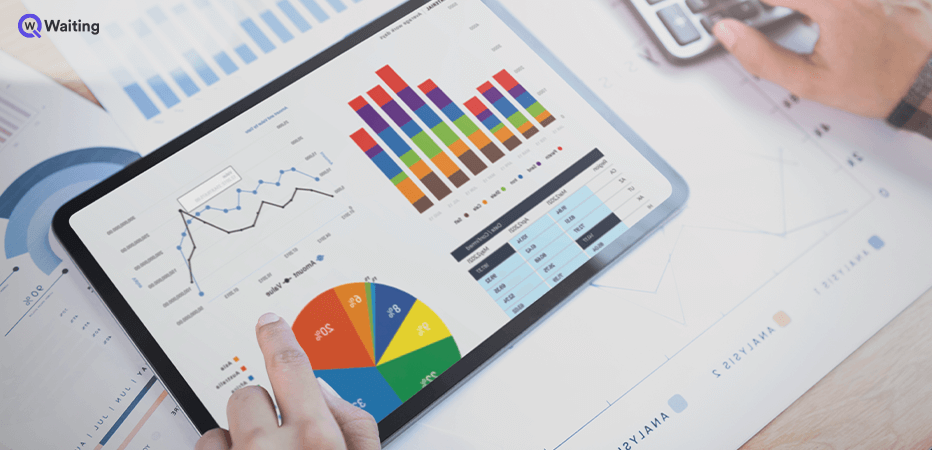
Traditional queues don't show what is really happening. Leaders can't see wait times or know when people give up and leave. Instead of leading, they just react to complaints. Using smart data to track lines is now a requirement. It is the only way to truly manage a business instead of just guessing how to fix things.
When Systems Are Tested the Hardest—They Break
Seasonal rushes, holiday shopping, or big deadlines show if a system is actually strong. Old-fashioned lines often break when too many people show up or if things go wrong. Instead of handling the stress, these systems just fail and cause chaos. This proves that having a big waiting room isn't enough to keep a business running smoothly.Large-scale environments like events face even higher pressure than daily operations. This is where digital queuing proves its real value by controlling crowds, smoothing peaks, and protecting the guest experience when volume spikes unexpectedly. Read our blog on how digital lines are transforming event experiences without chaos.Here’s how businesses using traditional queuing systems are lacking insights compared to businesses using smart QR-based systems.
| Factor | Traditional Queues | QR-Based Queues |
| Visibility | No real-time data | Live queue analytics |
| Customer Control | Fixed location, no autonomy | Wait anywhere, full transparency |
| Scalability | Requires physical expansion | Scales digitally across locations |
| Resilience | Fails under peak pressure | Absorbs surges without breakdown |
| Experience Impact | Passive, frustrating | Active, empowering |
What a QR Code Queue Management System Really Changes
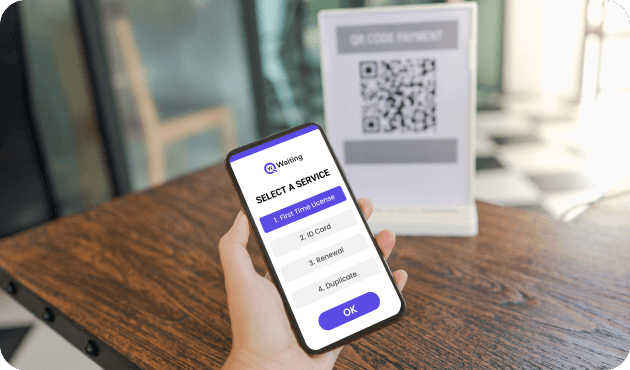
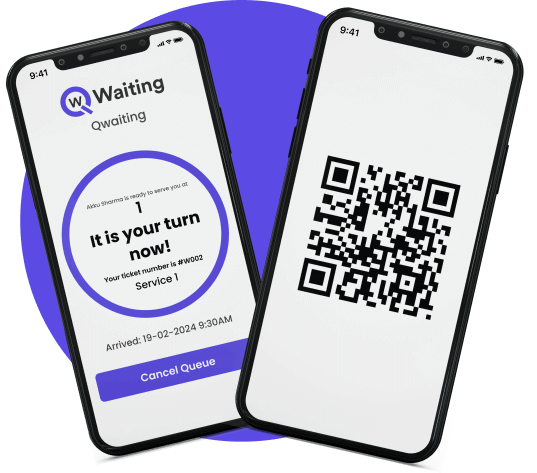
QR code queuing isn't just digitizing check-ins. They let customers wait anywhere while giving businesses helpful data. The shift happens faster than most leaders expect. Here’s how QR code queuing transforms business operations:
From Standing in Line to Owning the Wait
Decoupling Service From Physical Presence
Turning Check-Ins Into Operational Intelligence
Staff Experience Improves Before Customer Experience Does
QR codes help teams feel less stressed right away. Instead of managing angry crowds or answering the same questions about wait times, staff members can focus on helping people. The system is easy to use because it makes their jobs lighter. When staff members are happy and calm, they provide much better service to every customer who walks in.
Where QR Code Queuing Delivers the Highest Business Impact
QR systems are essential for very busy businesses. They save money by stopping customers from leaving and helping staff work better. You get more done without needing to hire more people. Here’s how QR code queuing helps
High-Volume, High-Stakes Environments

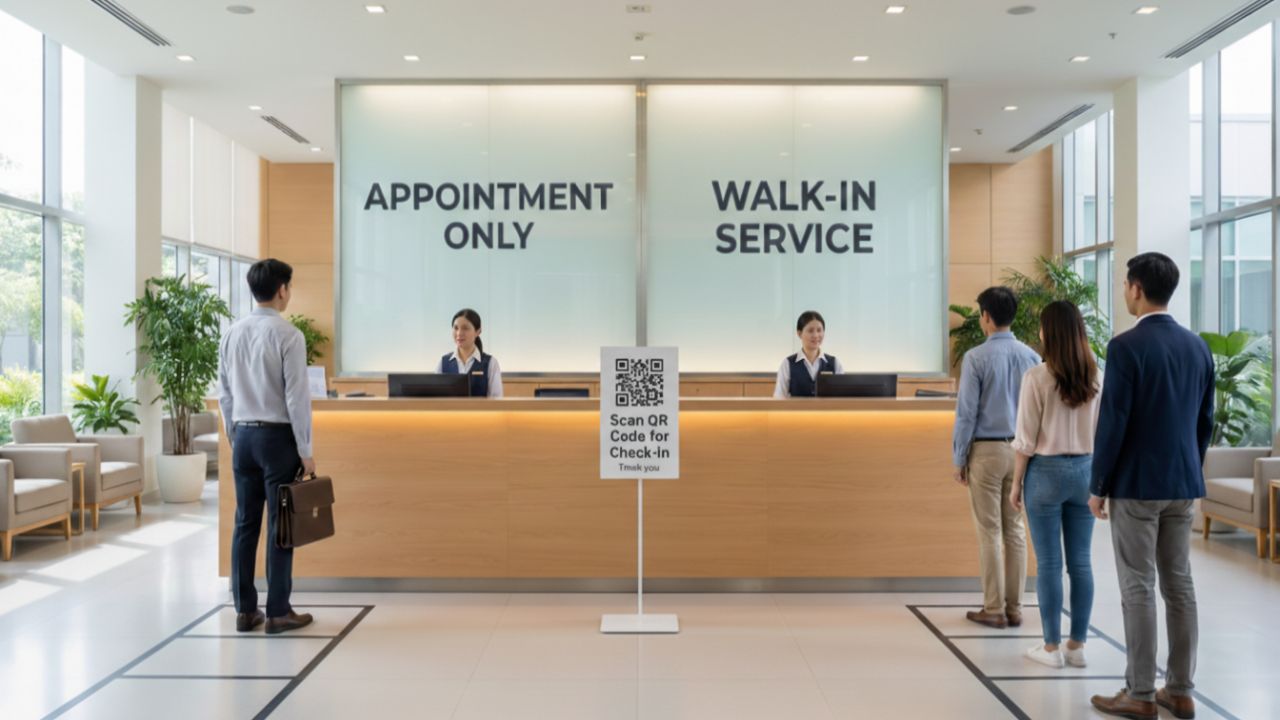
One System for Walk-Ins, Appointments, and Priority Services
Accessibility, Inclusion, and Digital Fairness
QR queues work great for people with smartphones, but others need help, too. Smart businesses use kiosks or staff to sign people in and offer help in different languages. This makes sure everyone is included, not just tech users. A good queue system must work for every single customer, no matter their age or the tools they have.
Operational Metrics Before vs After QR Queuing
| Metric | Before | After |
| Average Wait Time | 28 minutes | 12 minutes |
| Customer Walkaways | 18% | 4% |
| Staff Load (interactions/hour) | 12 | 19 |
| Service Throughput | 340 customers/day | 520 customers/day |
What Leaders Should Evaluate Before Choosing a QR Queue System
Not all systems are equal. Cheap tools fail when things get busy or the internet breaks. Choose a strong platform that works under pressure, not just one that looks good.
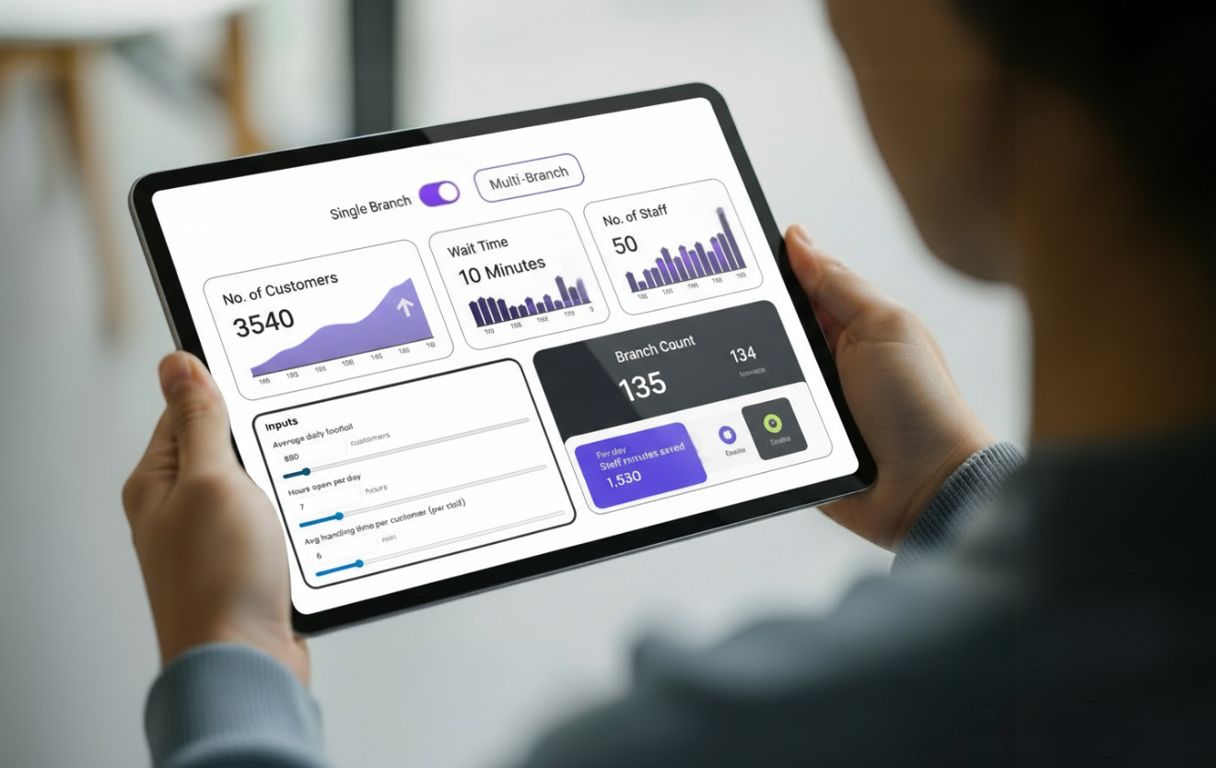
Scalability Across Locations and Departments
Offline Readiness, Security, and Reliability
Keeping the business running is more important than using fancy tech names. If the internet goes down, customers must still be able to check in, and staff must be able to work. A good queueing system must also follow strict safety rules for data. If it breaks or leaks information, it becomes a danger to the company instead of a help.
Integration Into the Full Customer Journey
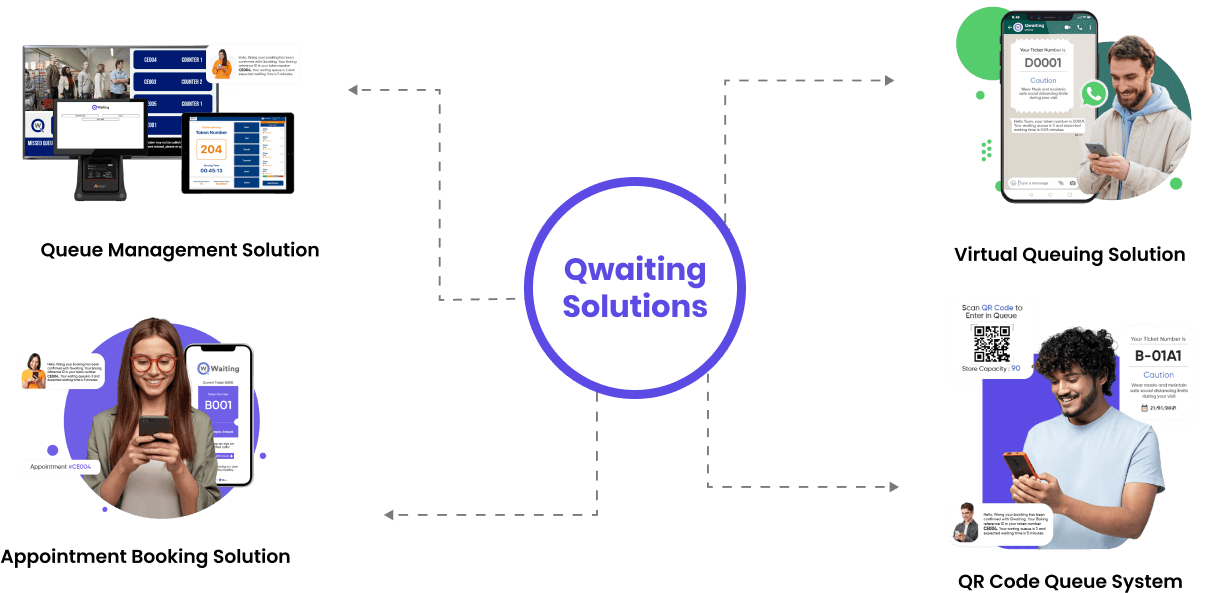
Here’s how basic QR Queue Tools vs Enterprise-Grade QR Queue Platforms
| Capability | Basic Tools | Enterprise Platforms |
| Multi-location scalability | Limited | Centralized + localized control |
| Offline resilience | Fails during outages | Continues service seamlessly |
| Integration depth | Standalone | Full journey orchestration |
| Analytics & reporting | Basic logs | Real-time intelligence + trends |
| Security & compliance | Minimal | Enterprise-grade standards |
Closing Perspective
Customer waiting is no longer something you tolerate. It's something you architect. QR code queue management systems give you the tools to redesign how service happens, but only if you're willing to see waiting as a strategic asset, not a necessary inconvenience. The shift starts when you stop asking "how do we manage our queues?" and start asking "how do we design an experience where waiting doesn't feel like waiting at all?" That's not a technology question. It's a leadership one.Ready to see how QR-based queuing transforms your operations? Explore how Qwaiting's enterprise queue management platform helps businesses eliminate bottlenecks, reduce walkaways, and turn customer flow into a competitive advantage.Book your 14-day free trial today!
FAQ’s
1. How does a QR code queue management system reduce customer walkaways during peak hours?
By letting customers wait anywhere with live updates, QR queues remove frustration. When people see progress and feel in control, they’re far less likely to leave even during long or busy periods.
2. Can QR-based queues handle both walk-in traffic and scheduled appointments at the same time?
Yes. QR systems separate and prioritize flows automatically, managing walk-ins, appointments, and urgent cases in parallel, without confusion, bottlenecks, or manual coordination by staff.
3. What happens to a QR code queue system if the internet goes down or connectivity is unstable?
Enterprise-grade QR systems continue operating offline, syncing data once connectivity returns. Check-ins, queue movement, and service don’t stop, so operations stay stable even during outages.
4. Is a QR queue management system secure enough for industries like healthcare, banking, or government?
When built for enterprises, QR queue platforms meet strict security, privacy, and compliance standards, protecting customer data while supporting regulated, high-trust environments like healthcare, banking, or government.
5. How do businesses support customers who don’t have smartphones in a QR queue system?
Smart setups combine QR check-ins with kiosks or staff-assisted registration, ensuring every customer, digital or walk-in, gets fair, smooth access without slowing the queue.