


Deliver fast, reliable service with a cloud system that updates in real-time and scales with your business.

Control your data and infrastructure with a secure, offline-ready solution tailored for complex environments.

Empower customers to check in, book, or update their appointments without staff assistance.

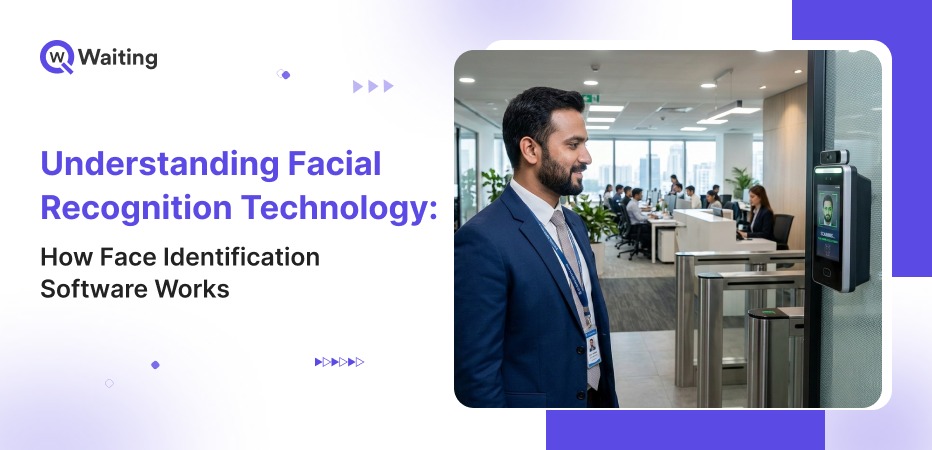
Deliver fast, secure access for repeat visitors using AI-powered facial recognition.
 Banking
Streamline customer flow and reduce wait times in banks and financial institutions.
 Healthcare
Refine patient check-ins and improve healthcare service.
 Public
Sector
Public
Sector
Manage citizen services smoothly in government offices and public institutions.
 Retail
Improve shopping experiences by minimizing checkout lines and wait times.
 DMV
DMV
Organize customer service queues in automotive showrooms and service centers.
 Airport
Speed up passenger processing with efficient queue management at terminals.
All Industries → AI Appointment Booking System
Automate appointment scheduling with AI-powered booking, smart reminders, and seamless customer check-ins.
 Appointment
Booking
Appointment
Booking
Offer flexible scheduling that helps customers plan their visit and avoid peak-time congestion.
 Biometric
System
Biometric
System
Speed up identity verification and check-ins using facial or fingerprint recognition.
 Automation
Automate workflows and reduce manual tasks with smart queue solutions.
 Virtual
Queuing
Virtual
Queuing
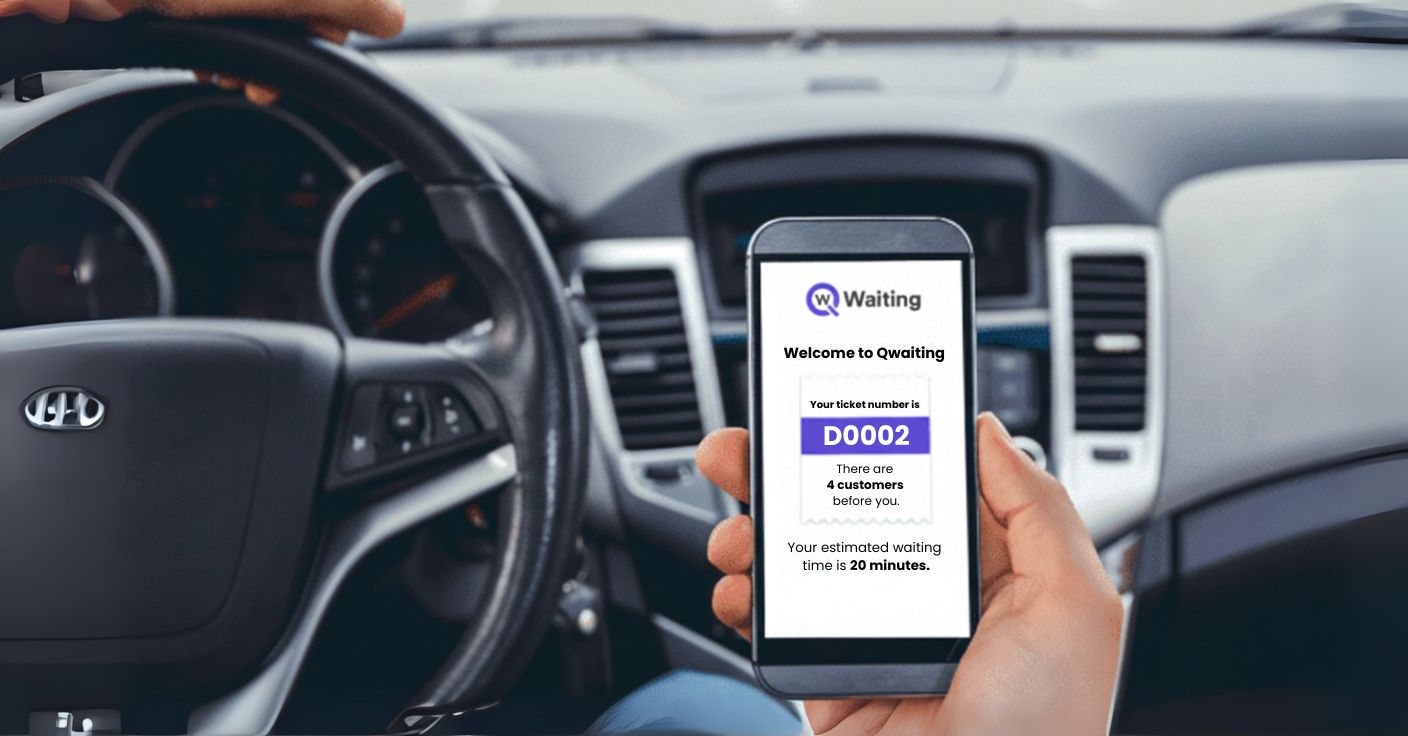
Let customers wait from anywhere home, car, or cafe with mobile-based virtual queues.
 Visitor
Management
Visitor
Management
Track and manage visitor entry, exit, and ID verification from a single dashboard.
 Video
Queue
Video
Queue
Allow people to join video calls instantly with one link—no apps, Accessible on any browser.
 Tele-Consultation
Offer seamless virtual consultations with real-time communication tool.
All Solutions →
Watch quick product demos and tutorials to understand how Qwaiting works for your business.

Read expert insights, tips, and industry trends to enhance customer experience.

Download in-depth guides and resources to explore queue management best practices.

Explore Qwaiting in a quick interactive demo, no signup needed.

| Factor | Virtual Queue | Token System |
| Customer Convenience | Customers can join queues remotely and get alerts when their turn arrives. | Customers need to be physically present to get themselves registered. |
| Cost & Infrastructure | Requires digital infrastructure: app, SMS, internet, display screens; higher initial cost. | Lower setup cost; minimal technology (token machine, display], less digital infrastructure. |
| Scalability | Scales well across locations, stores, and services, and is highly customizable. | Rigid scaling with very few customization options. |
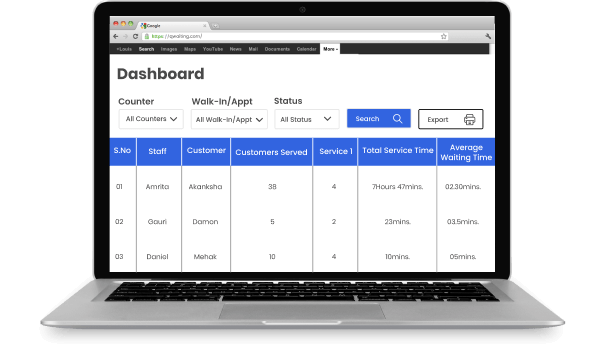
| Analytics & Data Tracking | Real-time data analytics reports on customer wait times, drop-offs, and customer behavior. | Very limited data and harder to track customer drop-offs. |
| Adaptability (online/offline) | Strong in online/digital plus physical environments. Easily adapts to peaks and off-hours. | Mostly fixed onsite; less adaptive to remote or digital demand. |
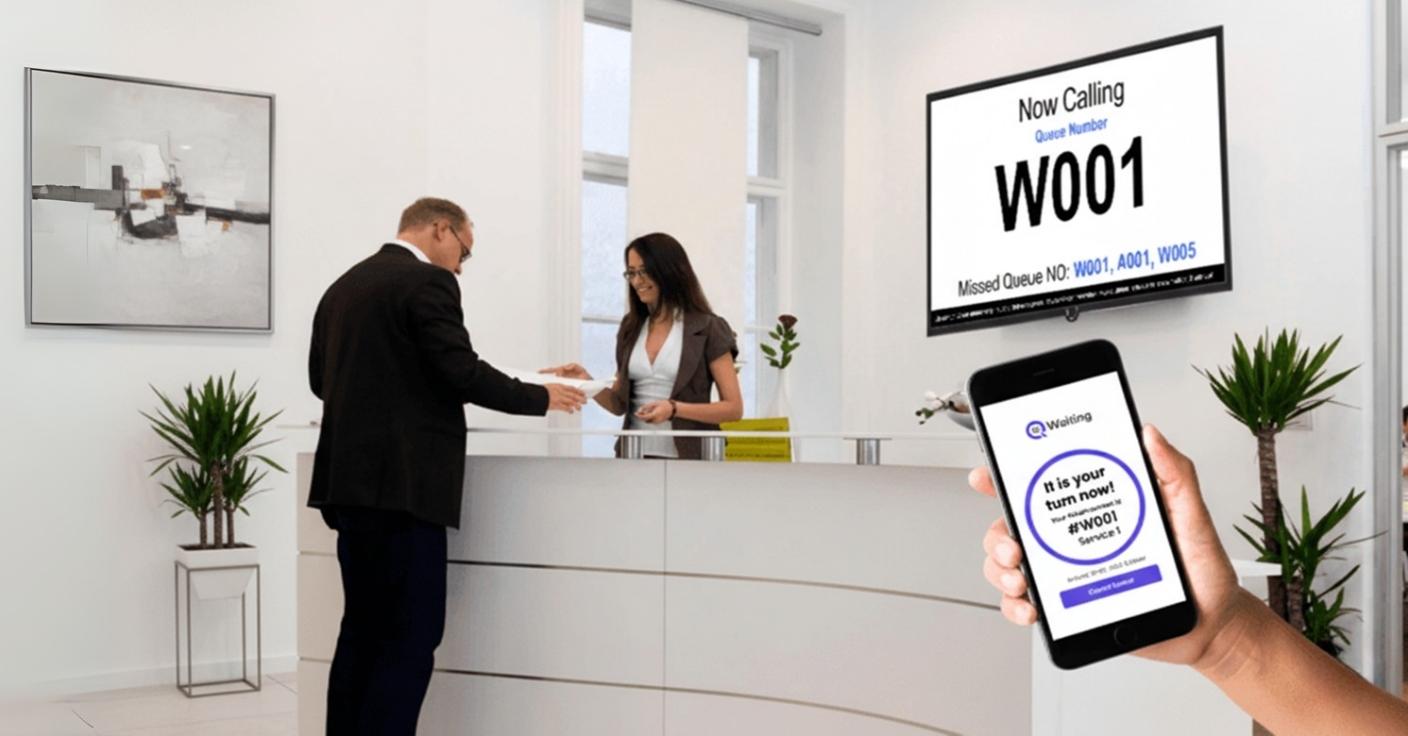
Use case: Farrer Park Hospital is an advanced medical facility in Singapore that serves 500 patients each day. As a trusted healthcare provider, the hospital has experienced a growing number of patients, which has led to overcrowded waiting areas. This situation resulted in lost revenue opportunities and overwhelmed staff members. To address these challenges, Farrer Park Hospital implemented Qwaiting’s virtual queue management solutions, and their patient wait times reduced to under 15 minutes (from 30+ minutes). Patient complaints significantly fell, and staff efficiency improved by 40%.
If you want to explore more how a virtual queuing system can be a powerful tool for your business, must read our blog: Top 6 Ways a Virtual Queue Can Be a Secret Weapon for Business.
Hybrid approach: Many businesses successfully use both systems: tokens for walk-in customers and virtual queues for online or appointment-based clients. This strategy is known as hybrid queue management and it allows flexibility, serves a larger customer base, and facilitates a gradual transition to more advanced queue management solutions. In short, digital queues are changing the way how businesses serve their customers. From faster check in for clients to advanced analytic reports for staff and huge revenue opportunities for businesses, investing in virtual queue system is proving to be a beneficial step.
Book a free demo with Qwaiting today and discover how to transform your queues into a competitive advantage.
Businesses are moving to virtual queues for remote convenience, real-time updates, data insights, and smoother service flow, which improves customer satisfaction and reduces operational inefficiencies.
Yes. Many organizations adopt a hybrid model, offering tokens for walk-ins while using virtual queues for appointments, creating flexibility and serving diverse customer preferences effectively.
Not necessarily. While initial costs are higher than token systems, virtual queues reduce walkouts, optimize resources, and enhance customer experience, delivering long-term value for small businesses.
Virtual queue systems scale seamlessly across multiple branches, integrating data, centralizing management, and providing consistent customer experiences while adapting to varying traffic demands across enterprise locations.
Companies often achieve ROI through reduced customer walkouts, improved staff productivity, better resource utilization, and higher retention rates, ultimately driving increased revenue and long-term customer loyalty.
Virtual queues keep customers informed with real-time notifications, flexible waiting options, and transparent updates, minimizing frustration, increasing engagement, and significantly reducing walkouts or missed appointments.