


How Farrer Park Hospital Transformed Patient Flow with Qwaiting

Farrer Park Hospital is Singapore's modern medical institution built to deliver patient-centric care, and provides a friendly environment for the patients. The hospital has all the advanced machinery and highly skilled staff, which serve 500 patients daily.
Farrer Park, like many modern hospitals, recognized that long queues can harm the patient experience, no matter how skilled the doctors or how advanced the equipment is. To address this issue, they implemented Qwaiting. The results were truly transformative.
Overview
Client
Farrer Park Hospital
Industry
Healthcare
Location
Singapore
Type
Hospital
Farrer Park Hospital is a private hospital in Singapore, built right above the Farrer Park MRT station in the Connexion building. It has 154 beds and offers 4 types of inpatient suites. The hospital also has 18 operating rooms for major surgeries, heart procedures, and endoscopy treatments.
Challenges faced
- • Losing revenue opportunities and hospital reputation
- • Frustrated patients
- • Overcrowded waiting areas
- • Overworked staff members
Solutions Provided
- • Digital queuing systems
- • Centralized admin dashboard
- • Real-time notifications
- • Virtual queuing for remote access
Results
- • Wait times dropped to under 15 minutes
- • Staff burden and manual work reduced by 40%
- • A calmer hospital environment
- • Organized queues for billing and service counters
The Challenges faced by Farrer Park hospital
Before Qwaiting was implemented, Farrer Park faced a very common problem of managing long patient wait lines. Despite having an efficient medical team, patients often found themselves stuck in long queues, trying to figure out: Where to go next, How long did they have to wait, Why were some called ahead of them. When patients had to deal with such problems, it may lead to:
1. Overcrowded waiting areas
Without real-time updates, patients had no clue about their wait times or their spot in a queue. This created confusion among patients, forming long lines at the reception or waiting areas.
2. Lost revenue
When patients had to witness overcrowded wait lines before consulting a doctor, they may leave, and the chances of these patients returning to your hospital are low. This automatically means lost patient trust and revenue.
3. Overburdened staff members
Without proper software, staff members had to manage the long lines physically by handing out paper tickets or calling out individual names. Long patient wait times caused problems in all departments.
How Qwaiting provided a solution
For such an advanced healthcare centre, ignoring patient comfort was not an option. Farrer Park, to simplify their queues, partnered with Qwaiting. The aim was to reduce patient wait times, automate patient flow, and provide a smoother experience.
The aim was to reduce patient wait times, automate patient flow, and provide a smoother and better patient experience while easing staff burden.
After deeply analyzing the hospital conditions, we provided advanced queue tools like:
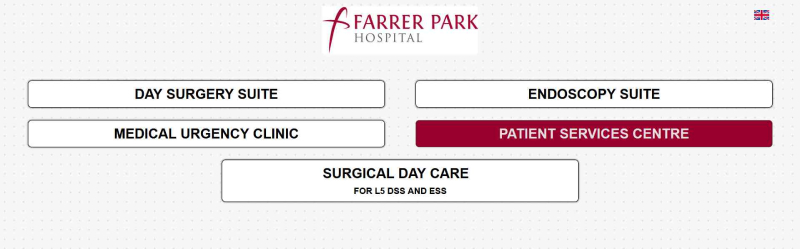
Digital queue terminals
To make check-ins easier, we set up self-service kiosks in the waiting areas so patients could quickly enter their details and join the queue.
-
The kiosk then generates a token number directing patients to the right counter and displaying their estimated wait times. This helped the hospital remove manual registration delays.
-
The display screens at the reception counters and waiting rooms then display the current queue number to keep patients informed.
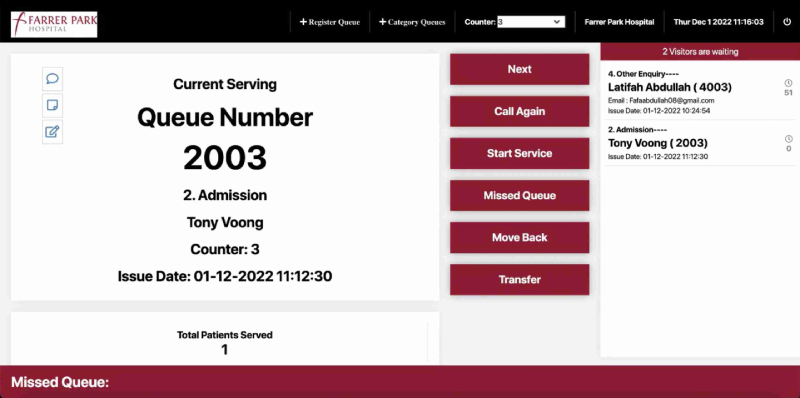
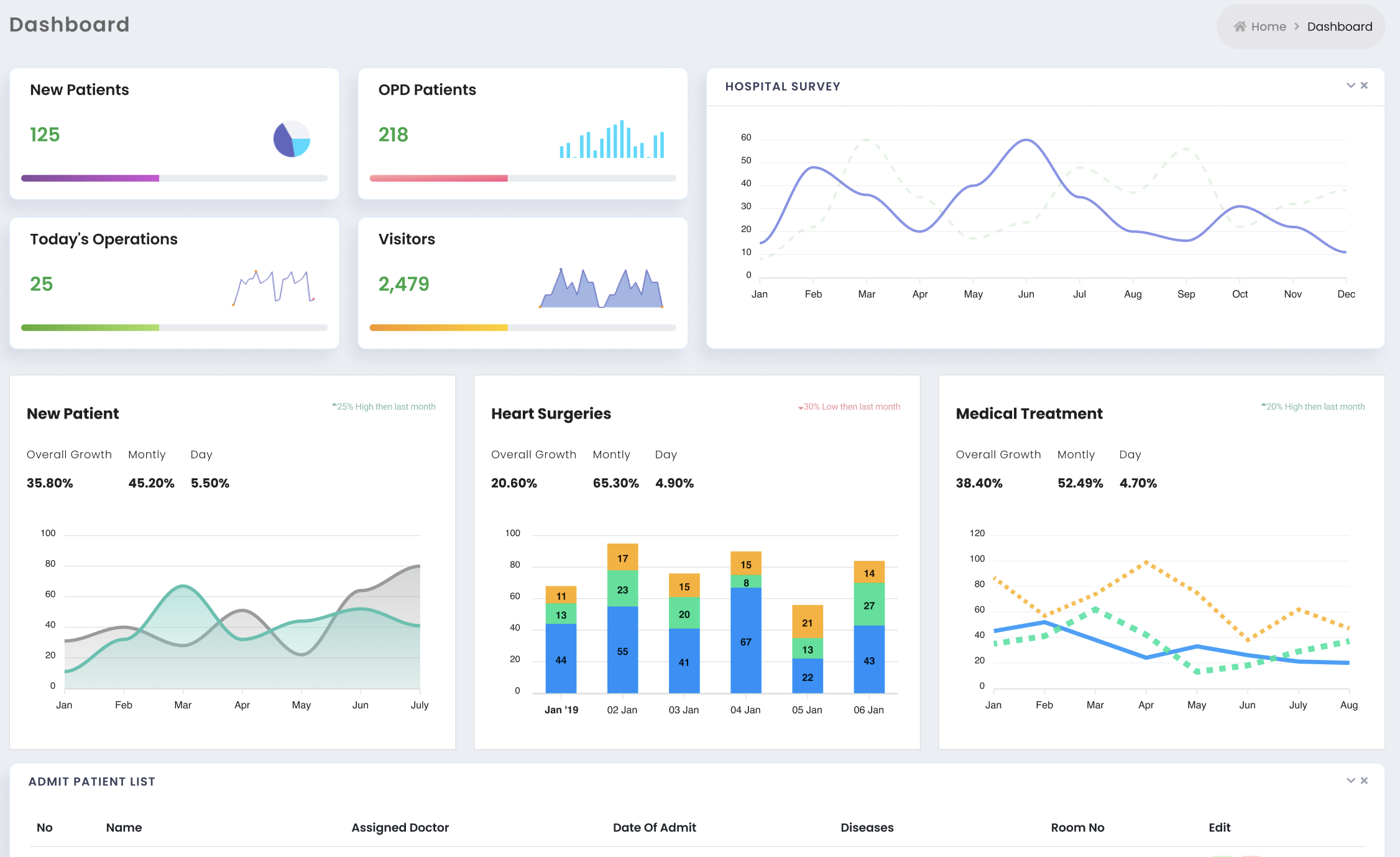
Real-time centralized dashboard
-
A live dashboard with real-time updates helps the front desk staff manage and track the patient journey from beginning to end.
-
They could easily distribute the patients between the less busy departments to keep the hospital environment calm and organized.
-
The admin dashboard helps executives easily track the patient journeys. It also tells how many patients might come to the hospital in the next few days.
Automated notifications
-
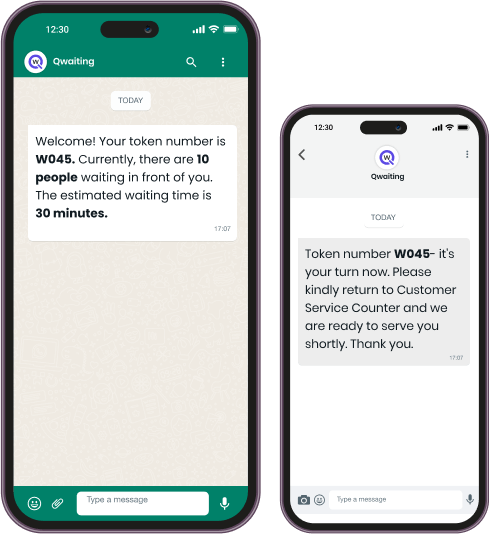
The software could store patient information like their name, phone numbers, or email address. Using this information, the software automatically sends tailored messages to the patients.
-
The messages generally display patients' wait times, their appointment confirmations, or post-procedure appointment reminders. With this, the hospital was able to minimize its no-show rates.
Virtual queuing option
Virtual queuing lets patients wait remotely from anywhere conveniently. Patients can use their smartphones to:
-
Book a token online
-
Wait from anywhere till their appointment message pops up
-
Add a follow-up appointment date to avoid a no-show.
Results hospital saw after implementing Qwaiting
Since implementing Qwaiting, Farrer Park Hospital has seen measurable success in patient flow management.
| Metric | Before Qwaiting | After Qwaiting |
|---|---|---|
| Patient Volume Managed Daily | Around 450–500 | 500+ |
| Average Wait Time per Patient | 30+ minutes | Under 15 minutes |
| Queue Conflicts & Complaints | Frequent | Rare |
| Staff Time Wasted on Admin Tasks | High | Reduced by 40% |
Real Outcomes
Reduced Wait Times
Patients now spend less time waiting and more time receiving care.
Staff Efficiency
Staff feel less pressured, allowing them to focus on what matters—healing.
Better Environment
Hospital common areas are no longer crowded, improving the environment for everyone.
Streamlined Billing
Billing and discharge queues are streamlined, reducing the end-of-visit frustration.
Conclusion
Farrer Park Hospital proved that great care isn’t just about doctors or machines, it’s also about smooth patient journeys. By choosing Qwaiting, they turned long, confusing lines into a smart, stress-free flow. Patients now walk in, know exactly where to go, and spend less time waiting. Staff feel more relaxed and focused, while hospital spaces feel calmer and organized. It’s not just better for patients, it’s better for business too.
If your hospital is still struggling with long queues, now is the time to act. Don’t let outdated systems slow you down.
Talk to our team at Qwaiting today and give your patients the fast, friendly service they deserve.
Trusted by 10000+ Customers Worldwide
Join the industry leaders who trust Qwaiting for their queue management