

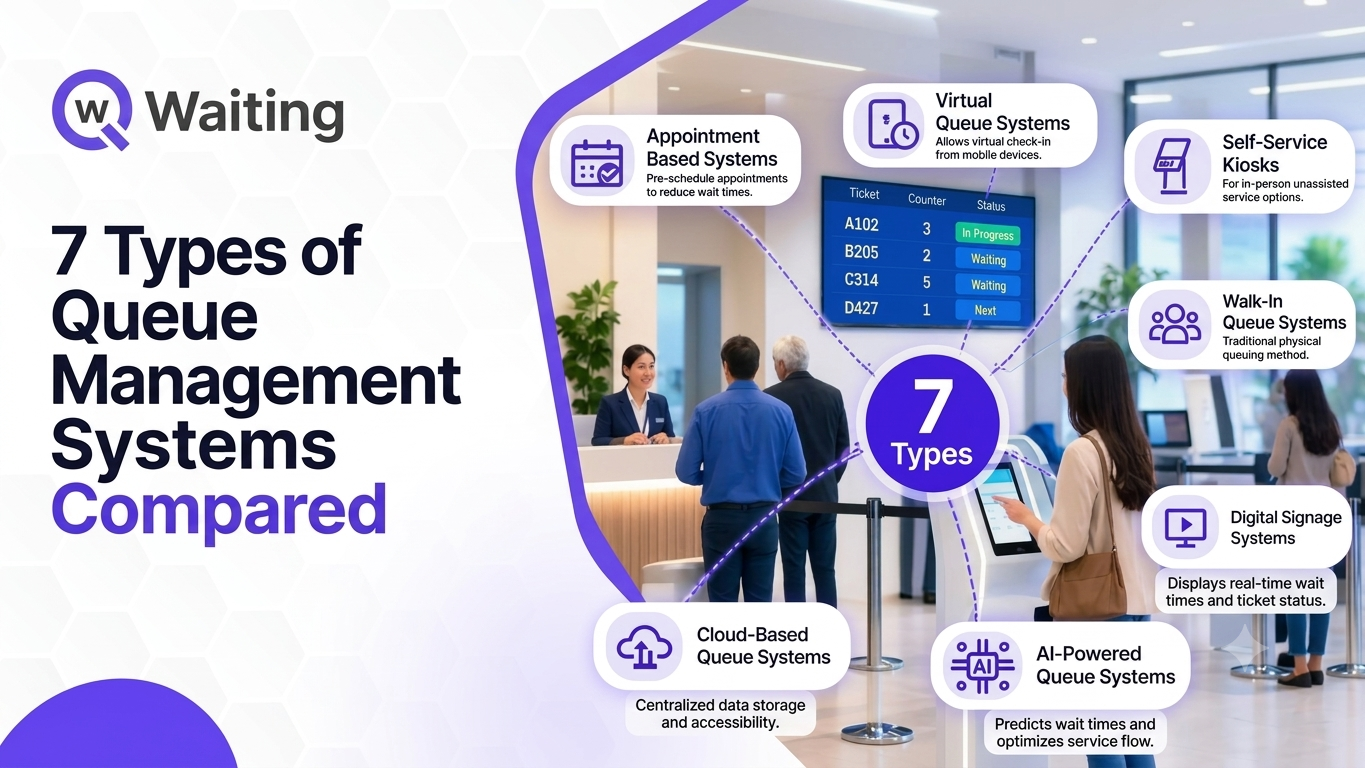
7 Types of Queue Management Systems Compared
Oct 07, 2026

Deliver fast, reliable service with a cloud system that updates in real-time and scales with your business.

Control your data and infrastructure with a secure, offline-ready solution tailored for complex environments.

Empower customers to check in, book, or update their appointments without staff assistance.

Deliver fast, secure access for repeat visitors using AI-powered facial recognition.
 Banking
Streamline customer flow and reduce wait times in banks and financial institutions.
 Healthcare
Refine patient check-ins and improve healthcare service.
 Public
Sector
Public
Sector
Manage citizen services smoothly in government offices and public institutions.
 Retail
Improve shopping experiences by minimizing checkout lines and wait times.
 DMV
DMV
Organize customer service queues in automotive showrooms and service centers.
 Airport
Speed up passenger processing with efficient queue management at terminals.
All Industries → AI Chatbot
Intelligent conversational AI that answers questions, books appointments, and assists 24/7.
AI Appointment Booking System
Automate appointment scheduling with AI-powered booking, smart reminders, and seamless customer check-ins.
 Appointment
Booking
Appointment
Booking
Offer flexible scheduling that helps customers plan their visit and avoid peak-time congestion.
 Biometric
System
Biometric
System
Speed up identity verification and check-ins using facial or fingerprint recognition.
 Automation
Automate workflows and reduce manual tasks with smart queue solutions.
 Virtual
Queuing
Virtual
Queuing
Let customers wait from anywhere home, car, or cafe with mobile-based virtual queues.
 Visitor
Management
Visitor
Management
Track and manage visitor entry, exit, and ID verification from a single dashboard.
 Video
Queue
Video
Queue
Allow people to join video calls instantly with one link—no apps, Accessible on any browser.
 Tele-Consultation
Offer seamless virtual consultations with real-time communication tool.
All Solutions → Become a Partner
Start your Qwaiting partner journey.
 Reseller Partner
Program
Reseller Partner
Program
Unlock new revenue by reselling Qwaiting solutions.
 Become a Sales Partner
Turn customer relationships into new revenue opportunities.
 Become a Development Partner
Build smarter customer journeys by connecting your technology.
 Become a Hardware Partner
Bring your devices, kiosks, and displays into connected customer flow.
Explainer
Videos
Watch quick product demos and tutorials to understand how Qwaiting works for your business.
 Blog
Blog
Read expert insights, tips, and industry trends to enhance customer experience.
 Ebooks
Download in-depth guides and resources to explore queue management best practices.
 Self Guided
Demo
Self Guided
Demo
Explore Qwaiting in a quick interactive demo, no signup needed.
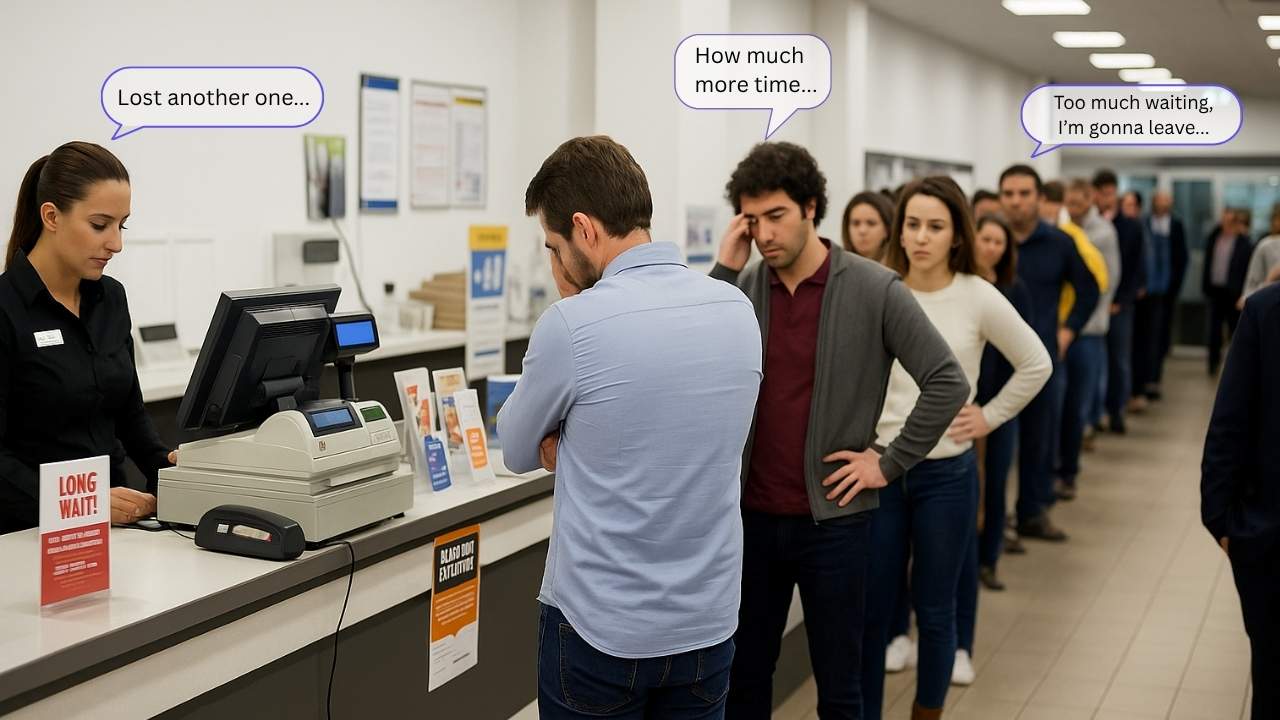
5 Simple Ways To Enhance The Waiting Line Experience

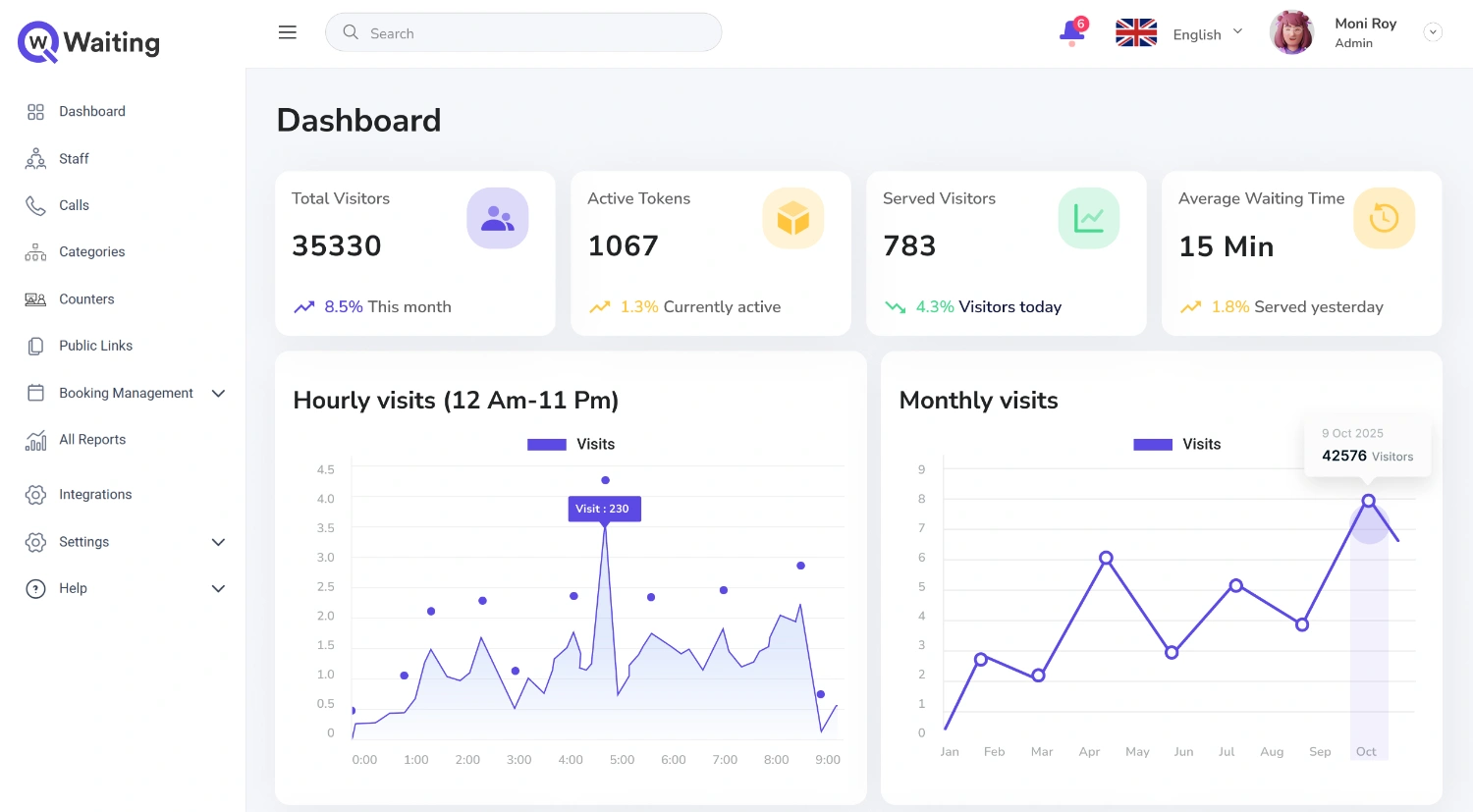
Queue Abandonment Rate: The Metric 87% of Businesses Ignore (And Why It Matters)
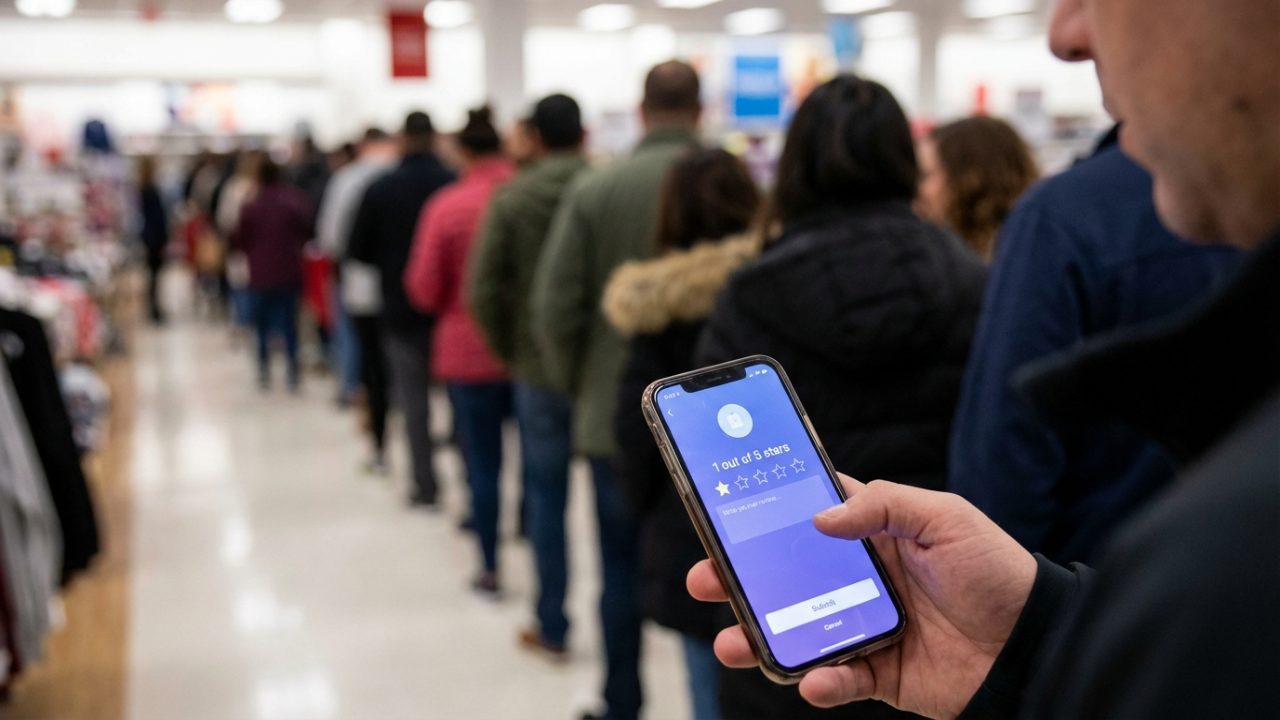
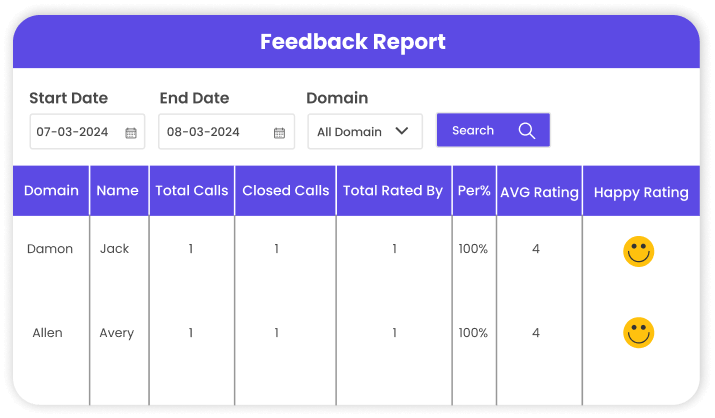
Customer Feedback System: The Key To An Exceptional Customer Experience


Cloud Queue Management for 2026: The Smart Way to Streamline Your BusinessAction: Map your queue infrastructure against your 12-month growth projections. Identify where the breaking point would occur.
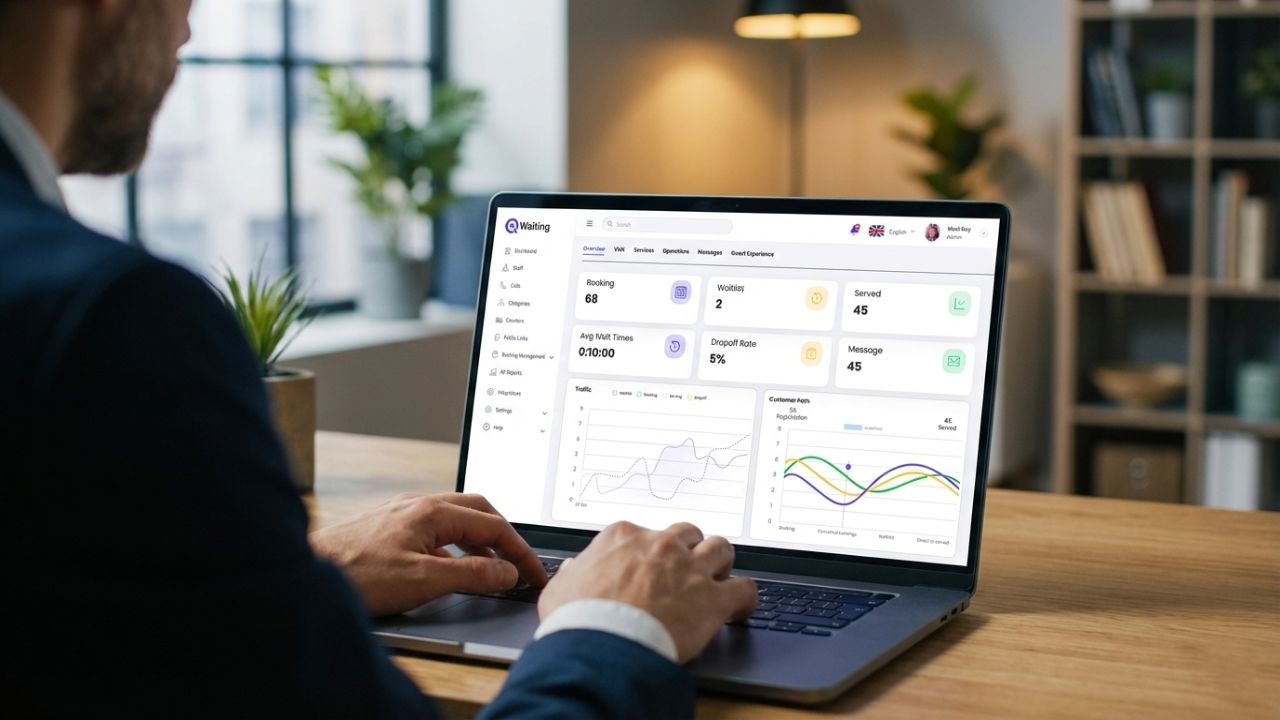
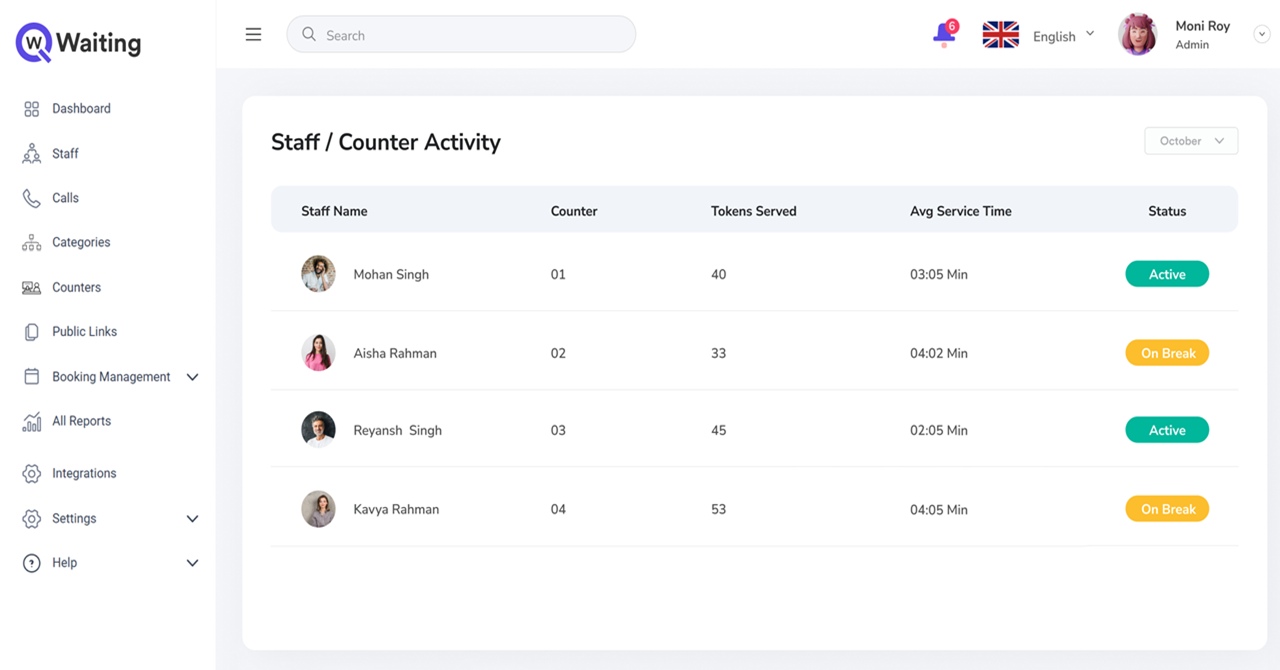
A digital queue management system replaces physical lines with smart, virtual workflows. It lets customers join queues remotely, tracks wait times in real time, and directs them efficiently, turning waiting into a smooth, controlled experience.
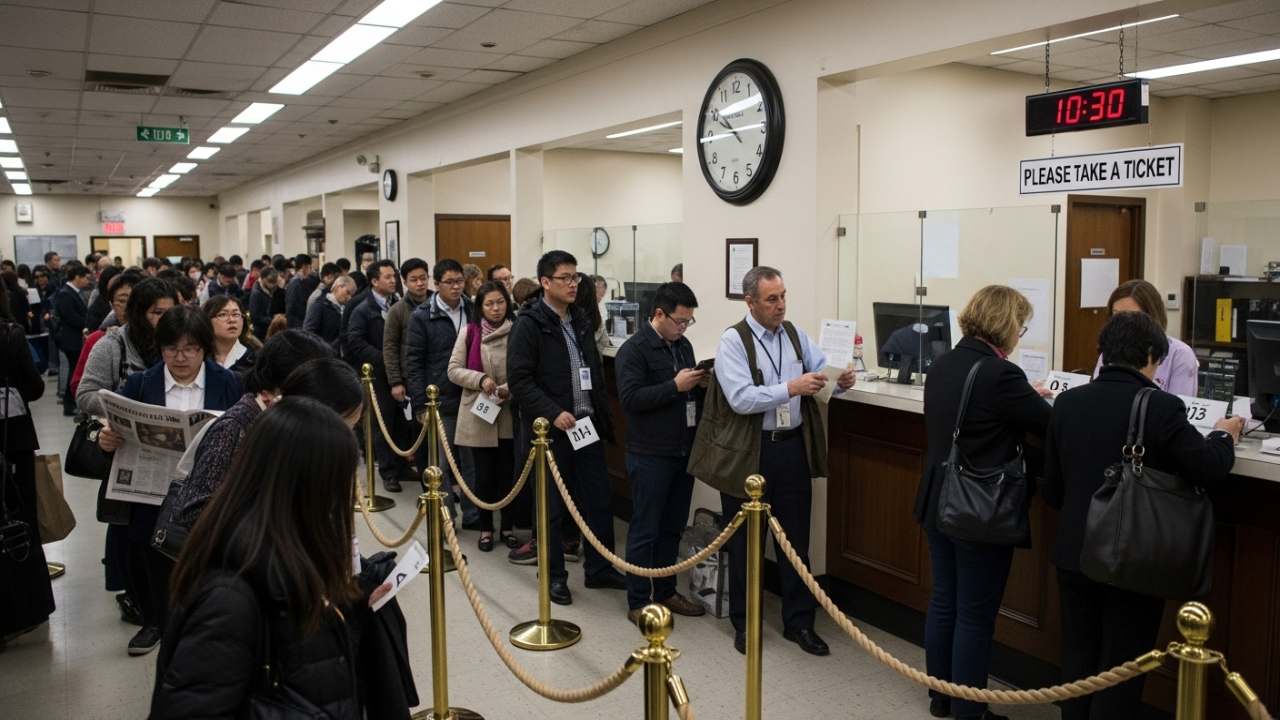
If customers complain about long waits, staff feel overwhelmed, or queues get chaotic during peak hours, you need one. It’s a clear sign your current system is costing you time, efficiency, and customer satisfaction.
Long wait times, confused customers, overcrowded spaces, missed appointments, and staff constantly firefighting. If your team spends more time managing lines than serving people, your system isn’t working; it’s holding you back.
Healthcare, banking, retail, government offices, and airports benefit the most. Anywhere customer flow matters. These industries deal with high footfall, time-sensitive services, and demand for better customer experiences.
Absolutely. A queue system spreads demand by enabling virtual check-ins, scheduled visits, and real-time updates. Instead of crowding, customers arrive when it’s their turn, keeping your space organized even during peak hours.
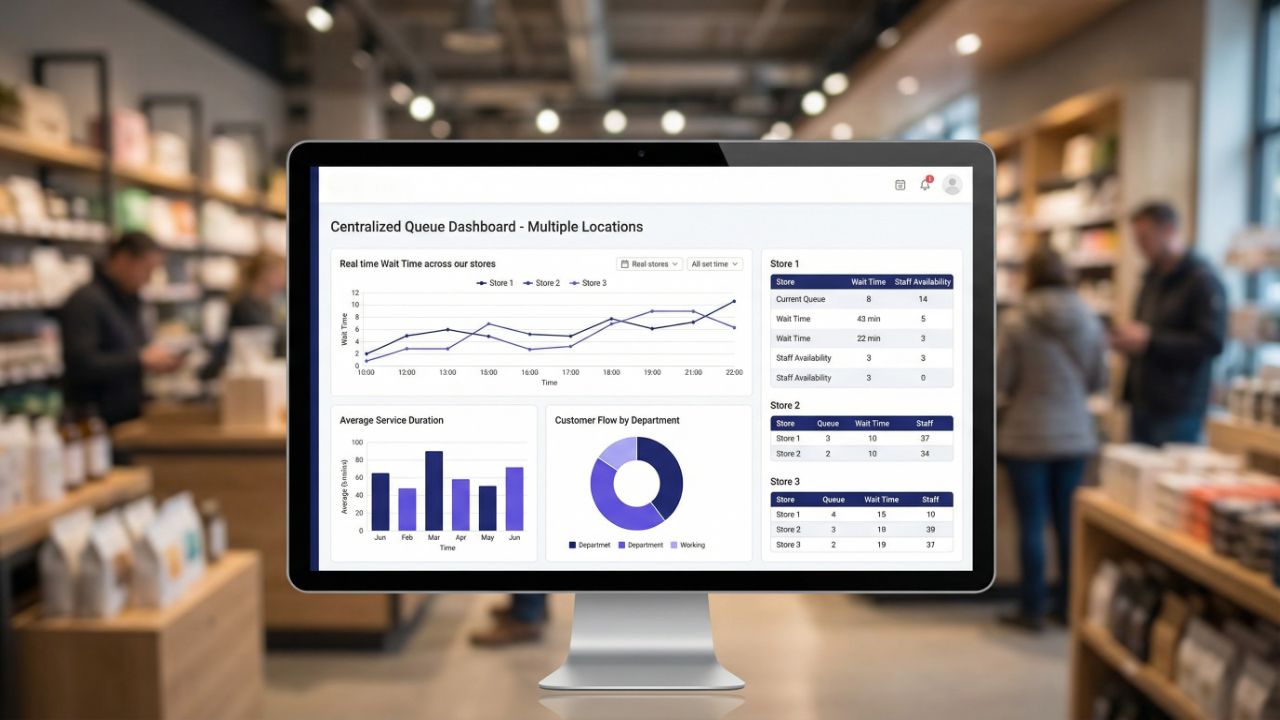
Look for virtual queuing, appointment scheduling, real-time analytics, multi-location support, customer notifications, and seamless integrations. The right system doesn’t just manage queues; it gives you full control over customer flow and experience.