


Deliver fast, reliable service with a cloud system that updates in real-time and scales with your business.

Control your data and infrastructure with a secure, offline-ready solution tailored for complex environments.

Empower customers to check in, book, or update their appointments without staff assistance.

Deliver fast, secure access for repeat visitors using AI-powered facial recognition.
 Banking
Streamline customer flow and reduce wait times in banks and financial institutions.
 Healthcare
Refine patient check-ins and improve healthcare service.
 Public
Sector
Public
Sector
Manage citizen services smoothly in government offices and public institutions.
 Retail
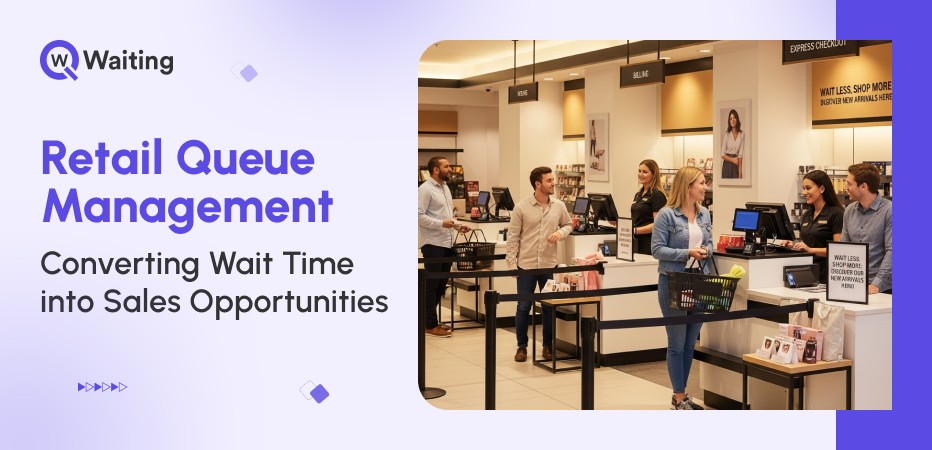
Improve shopping experiences by minimizing checkout lines and wait times.
 DMV
DMV
Organize customer service queues in automotive showrooms and service centers.
 Airport
Speed up passenger processing with efficient queue management at terminals.
All Industries → AI Appointment Booking System
Automate appointment scheduling with AI-powered booking, smart reminders, and seamless customer check-ins.
 Appointment
Booking
Appointment
Booking
Offer flexible scheduling that helps customers plan their visit and avoid peak-time congestion.
 Biometric
System
Biometric
System
Speed up identity verification and check-ins using facial or fingerprint recognition.
 Automation
Automate workflows and reduce manual tasks with smart queue solutions.
 Virtual
Queuing
Virtual
Queuing
Let customers wait from anywhere home, car, or cafe with mobile-based virtual queues.
 Visitor
Management
Visitor
Management
Track and manage visitor entry, exit, and ID verification from a single dashboard.
 Video
Queue
Video
Queue
Allow people to join video calls instantly with one link—no apps, Accessible on any browser.
 Tele-Consultation
Offer seamless virtual consultations with real-time communication tool.
All Solutions →
Watch quick product demos and tutorials to understand how Qwaiting works for your business.

Read expert insights, tips, and industry trends to enhance customer experience.

Download in-depth guides and resources to explore queue management best practices.

Explore Qwaiting in a quick interactive demo, no signup needed.
To understand why legacy queue systems struggle even before automation enters the picture, you can explore this deeper breakdown of
why traditional queue management fails in 2025Here are the common problems every industry that does not use a smart chatbot is facing:
| Industry | Avg. Daily Check-Ins | Common Bottlenecks | CX Impact |
|---|---|---|---|
| Healthcare | 200–500 per facility | Form duplication, missing documents | Frustration, missed appointments |
| Banking | 150–300 per branch | Account verification delays | Walk-aways, negative reviews |
| Retail | 300–800 per store | Product returns, service desk queues | Lost sales, low satisfaction |
| Government | 400–1,000 per office | Complex eligibility checks | Long wait times, public complaints |
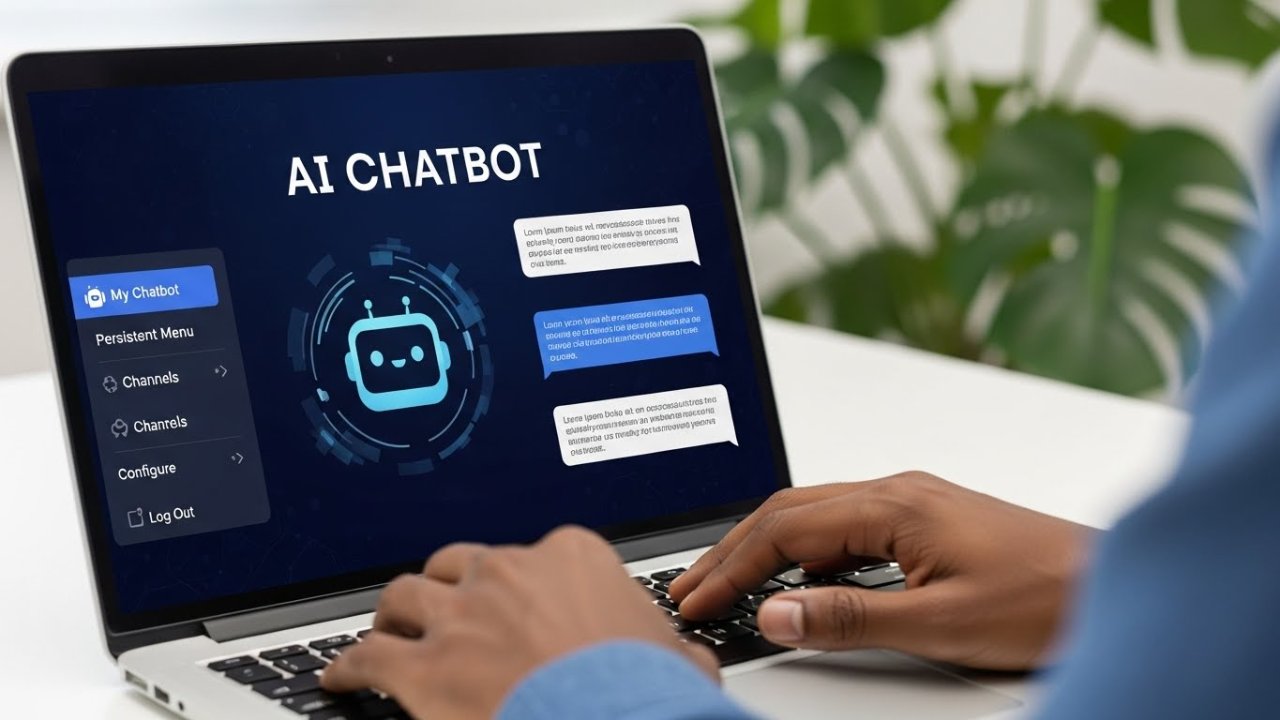
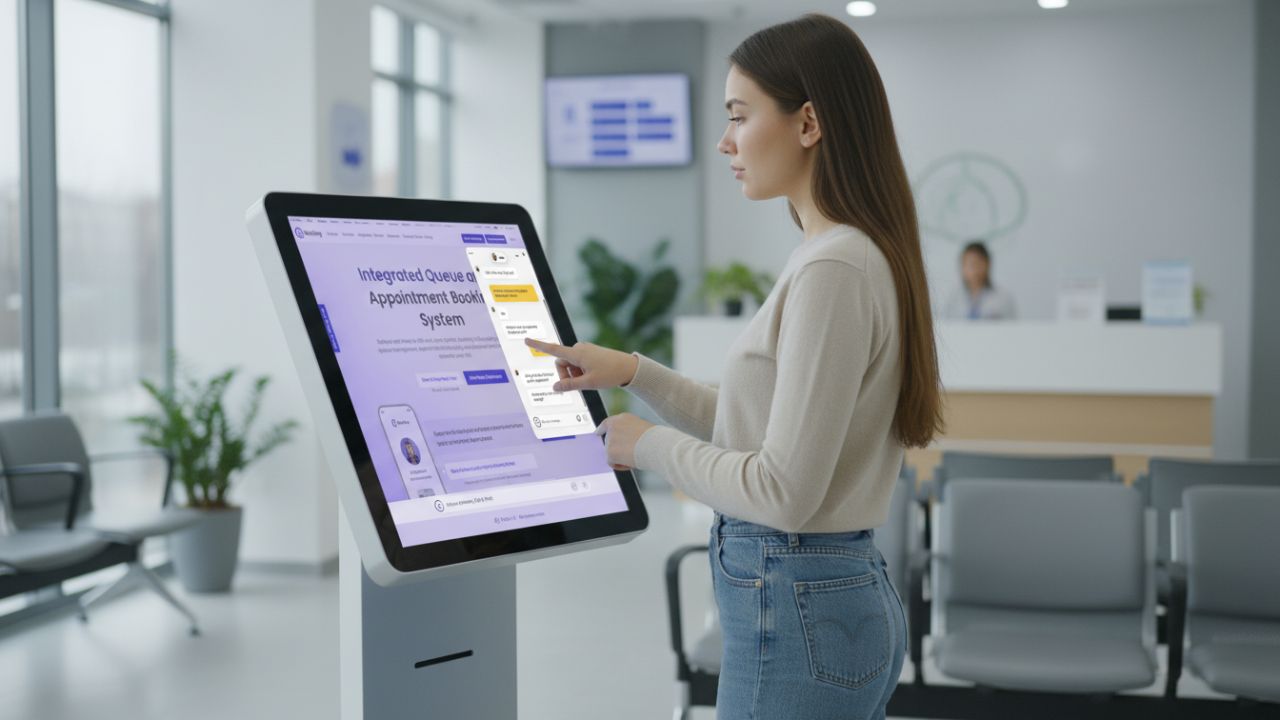
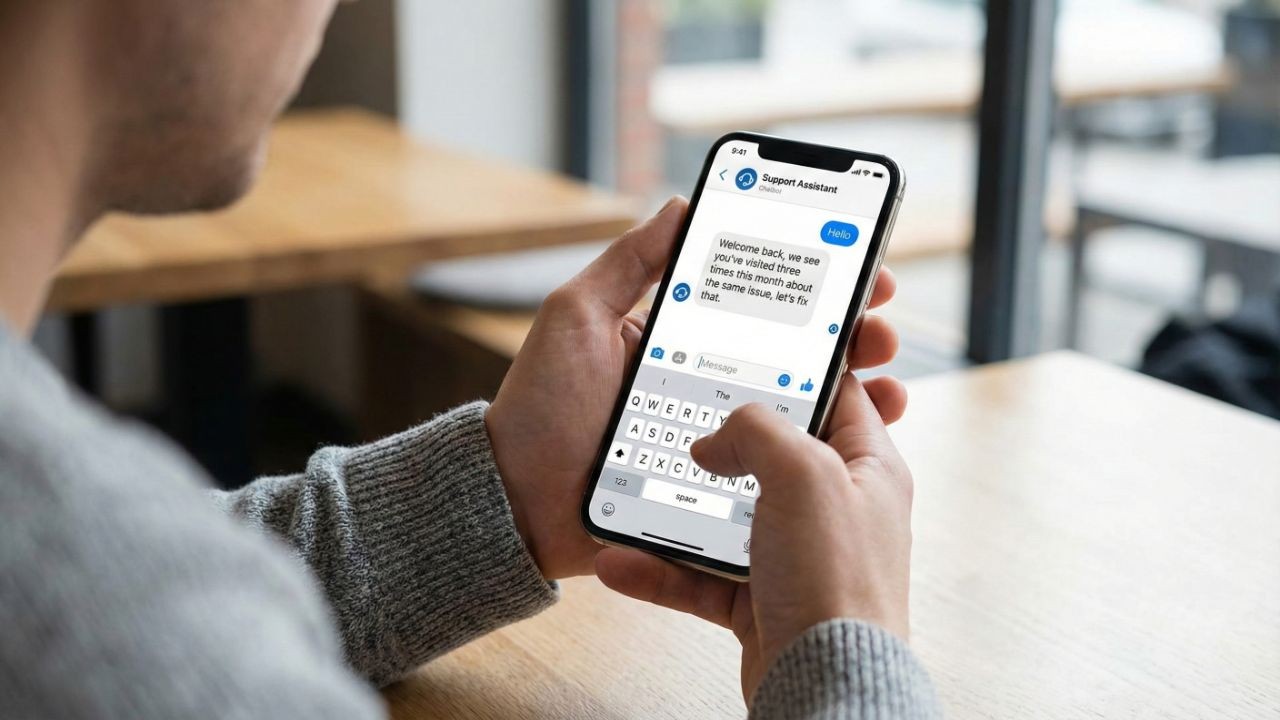
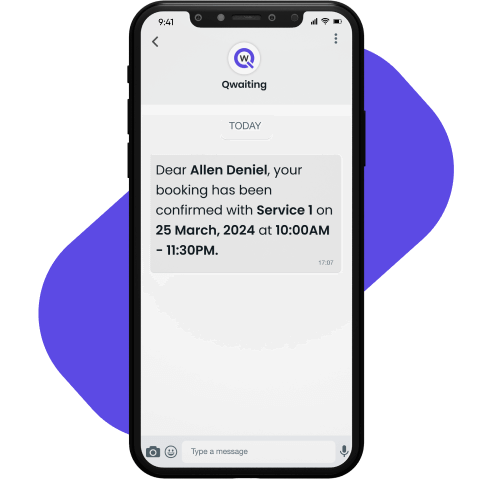
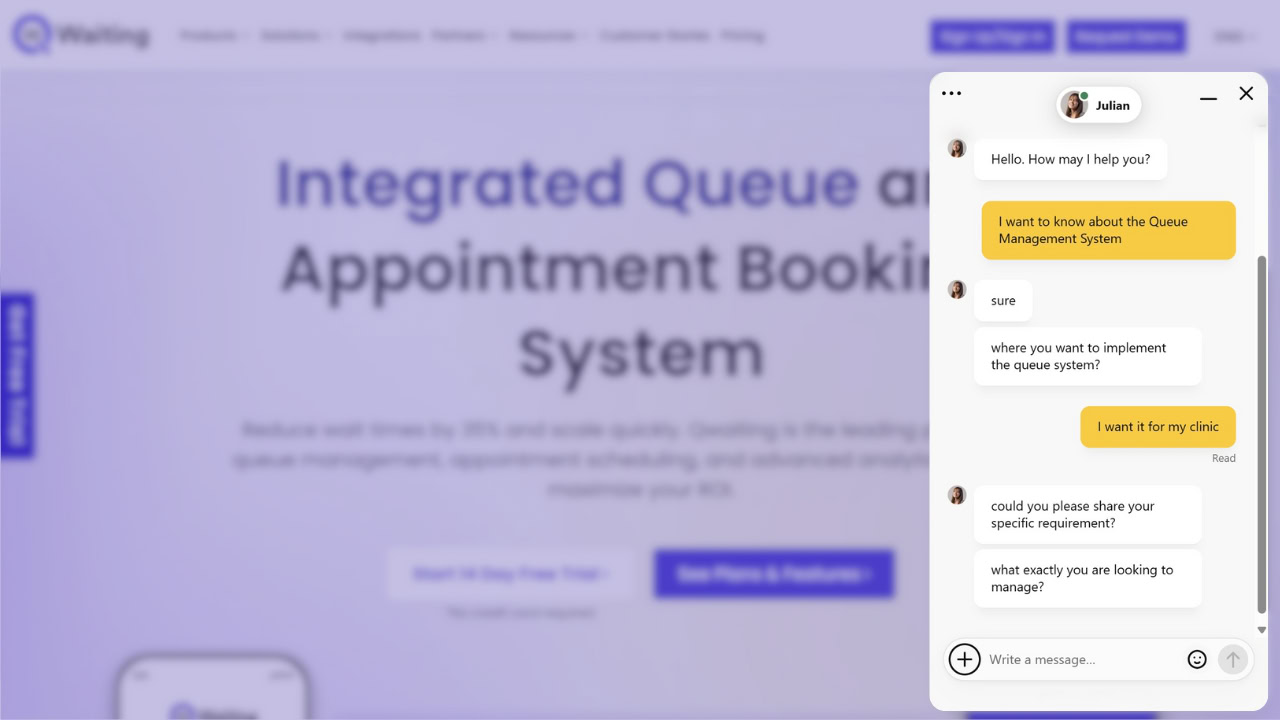
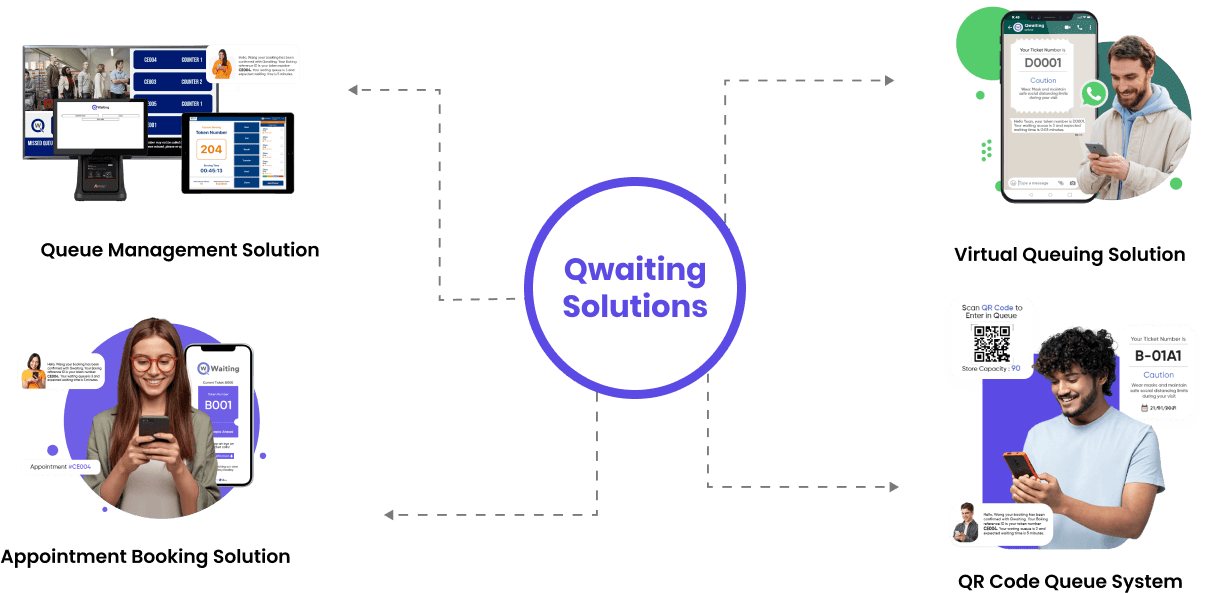
LLM chatbots read customer patterns in natural language, match them with known intent categories, and guide customers using context, past behavior, and clear prompts.
Yes, when the process feels simple, transparent, and secure. Clear instructions and fast responses build confidence quickly, even in high-traffic environments.
Ticket generation, basic identity confirmation, queue selection, appointment validation, and wait-time updates can be automated without reducing the personal touch.
It switches when customers show confusion, repeat questions, express urgency, or request human help. This keeps the experience smooth and frustration-free.
Only minimal training is required. The system handles the complexity, while staff learn how to monitor queues, view updates, and manage visitor escalations.
Chatbots translate text instantly, simplify responses, ask clarifying questions, and guide customers toward the right action without making them feel lost.