


Deliver fast, reliable service with a cloud system that updates in real-time and scales with your business.

Control your data and infrastructure with a secure, offline-ready solution tailored for complex environments.

Empower customers to check in, book, or update their appointments without staff assistance.

Deliver fast, secure access for repeat visitors using AI-powered facial recognition.
 Banking
Streamline customer flow and reduce wait times in banks and financial institutions.
 Healthcare
Refine patient check-ins and improve healthcare service.
 Public
Sector
Public
Sector
Manage citizen services smoothly in government offices and public institutions.
 Retail
Improve shopping experiences by minimizing checkout lines and wait times.
 DMV
DMV
Organize customer service queues in automotive showrooms and service centers.
 Airport
Speed up passenger processing with efficient queue management at terminals.
All Industries → AI Appointment Booking System
Automate appointment scheduling with AI-powered booking, smart reminders, and seamless customer check-ins.
 Appointment
Booking
Appointment
Booking
Offer flexible scheduling that helps customers plan their visit and avoid peak-time congestion.
 Biometric
System
Biometric
System
Speed up identity verification and check-ins using facial or fingerprint recognition.
 Automation
Automate workflows and reduce manual tasks with smart queue solutions.
 Virtual
Queuing
Virtual
Queuing
Let customers wait from anywhere home, car, or cafe with mobile-based virtual queues.
 Visitor
Management
Visitor
Management
Track and manage visitor entry, exit, and ID verification from a single dashboard.
 Video
Queue
Video
Queue
Allow people to join video calls instantly with one link—no apps, Accessible on any browser.
 Tele-Consultation
Offer seamless virtual consultations with real-time communication tool.
All Solutions →
Watch quick product demos and tutorials to understand how Qwaiting works for your business.

Read expert insights, tips, and industry trends to enhance customer experience.

Download in-depth guides and resources to explore queue management best practices.

Explore Qwaiting in a quick interactive demo, no signup needed.
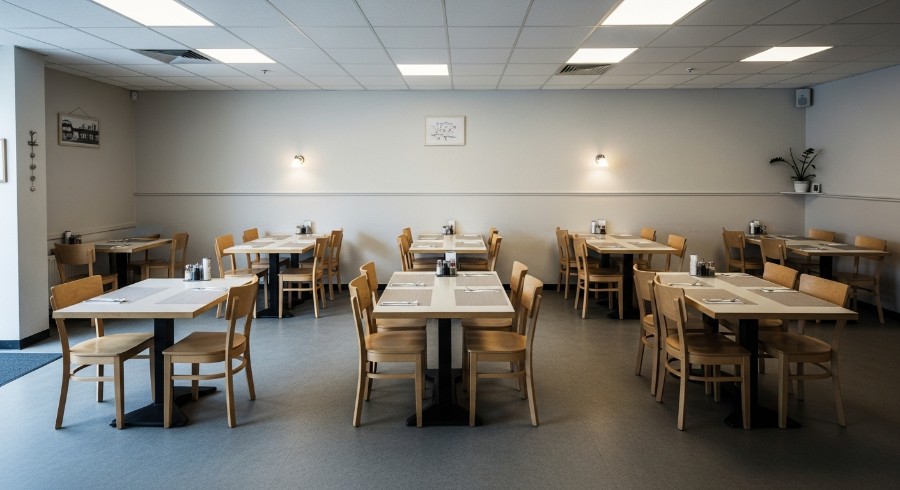

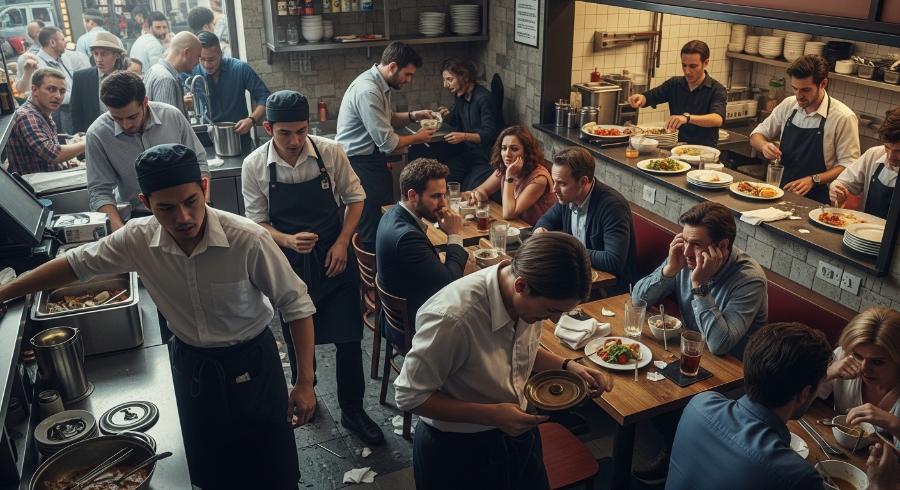
To calculate your restaurant’s revenue loss, use the method: Revenue Loss = "But-for" Revenue - Actual Revenue "But-for" Revenue” stands for the estimated revenue you may have earned Waitlist Revenue Loss = (Walkouts × Avg Ticket Size) + (Empty Table Time × Avg Table Value) + (Staff Overtime from Chaos) So what's actually fixing this chaos for modern restaurants?
Here is what that change looks like:
| Old Way | New Way |
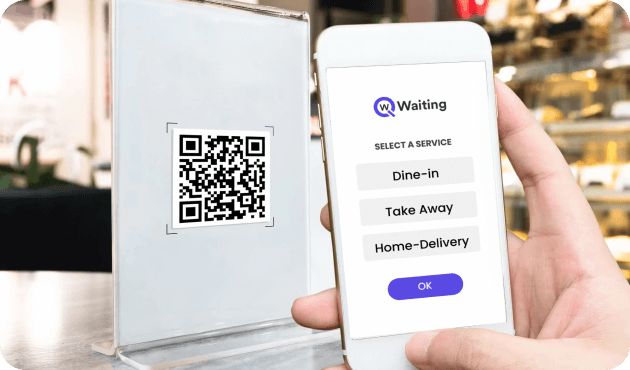
| Paper lists with manual calling | Guests join remotely via QR code or web link |
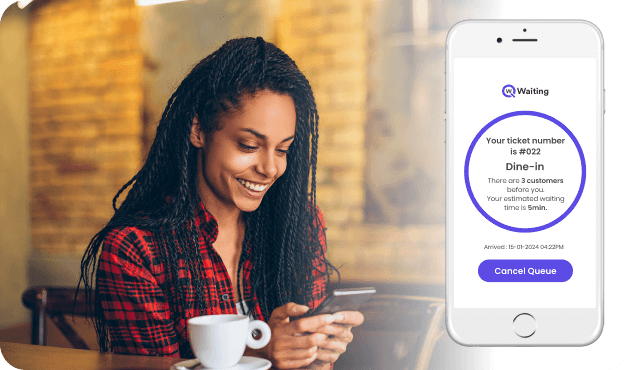
| No visibility into wait times | Real-time position tracking from their phones |
| Angry walkouts without warning | Automatic SMS/WhatsApp alerts before seating |
| Host guesswork on table readiness | Data-driven seating with predictive analytics |
| No feedback loop | Post-visit surveys capture satisfaction scores |
Instead of managing a crowd at your door, you're managing a digital queue that guests can join from anywhere. They track their spot, you control the flow, and everyone knows what's happening.
you must read our blog on: Enhance Your Dining Experience With the Restaurant Queuing System
A digital waitlist replaces paper lists by allowing guests to join via mobile or QR code, track their position, and receive automatic updates on seating times.
Restaurants can minimize walkouts through live wait-time tracking, automated notifications, and accurate seating forecasts, keeping guests informed and engaged while improving table turnover efficiency.
Yes. Integrated systems sync guest data, table status, and billing information in real time, creating smoother coordination between the host stand, kitchen, and front-of-house teams.
Smart waitlist solutions improve operational flow, reduce no-shows, and raise revenue by maximizing seating capacity and enhancing guest experience during high-traffic hours.
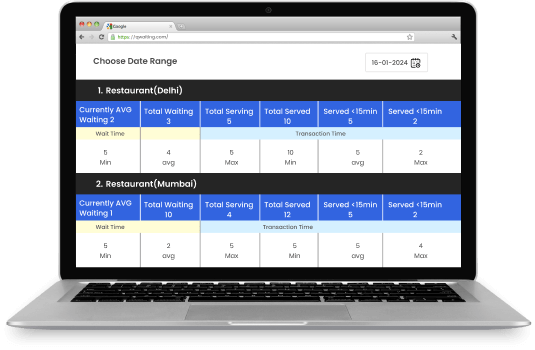
Key metrics include average wait duration, walkout percentage, table occupancy rate, and seating turnaround time, offering valuable insights into guest flow and service efficiency.
Virtual waitlists benefit both. Smaller restaurants gain control over peak-hour chaos, while large chains use them to scale guest management across multiple outlets.