


Deliver fast, reliable service with a cloud system that updates in real-time and scales with your business.

Control your data and infrastructure with a secure, offline-ready solution tailored for complex environments.

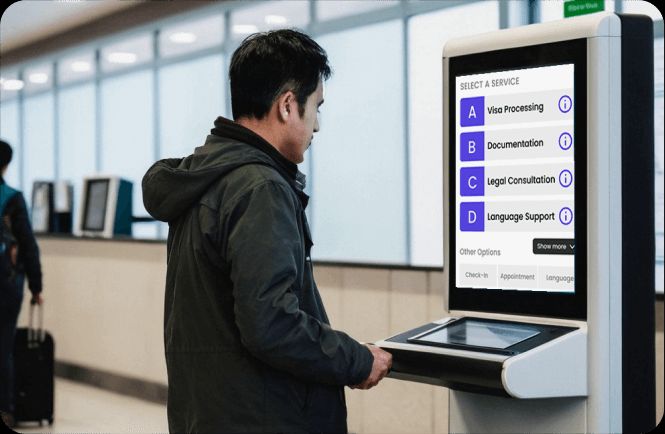
Empower customers to check in, book, or update their appointments without staff assistance.

Deliver fast, secure access for repeat visitors using AI-powered facial recognition.
 Banking
Streamline customer flow and reduce wait times in banks and financial institutions.
 Healthcare
Refine patient check-ins and improve healthcare service.
 Public
Sector
Public
Sector
Manage citizen services smoothly in government offices and public institutions.
 Retail
Improve shopping experiences by minimizing checkout lines and wait times.
 DMV
DMV
Organize customer service queues in automotive showrooms and service centers.
 Airport
Speed up passenger processing with efficient queue management at terminals.
All Industries → AI Appointment Booking System
Automate appointment scheduling with AI-powered booking, smart reminders, and seamless customer check-ins.
 Appointment
Booking
Appointment
Booking
Offer flexible scheduling that helps customers plan their visit and avoid peak-time congestion.
 Biometric
System
Biometric
System
Speed up identity verification and check-ins using facial or fingerprint recognition.
 Automation
Automate workflows and reduce manual tasks with smart queue solutions.
 Virtual
Queuing
Virtual
Queuing
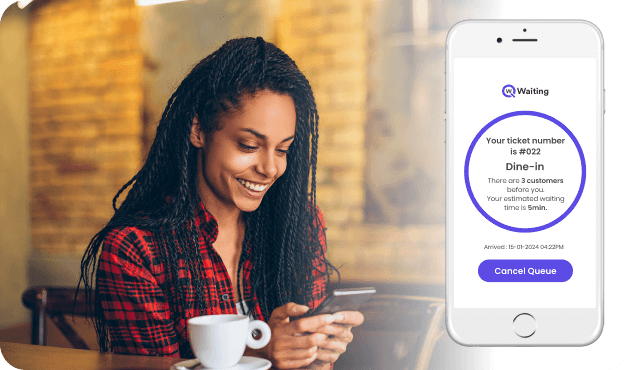
Let customers wait from anywhere home, car, or cafe with mobile-based virtual queues.
 Visitor
Management
Visitor
Management
Track and manage visitor entry, exit, and ID verification from a single dashboard.
 Video
Queue
Video
Queue
Allow people to join video calls instantly with one link—no apps, Accessible on any browser.
 Tele-Consultation
Offer seamless virtual consultations with real-time communication tool.
All Solutions →
Watch quick product demos and tutorials to understand how Qwaiting works for your business.

Read expert insights, tips, and industry trends to enhance customer experience.

Download in-depth guides and resources to explore queue management best practices.

Explore Qwaiting in a quick interactive demo, no signup needed.
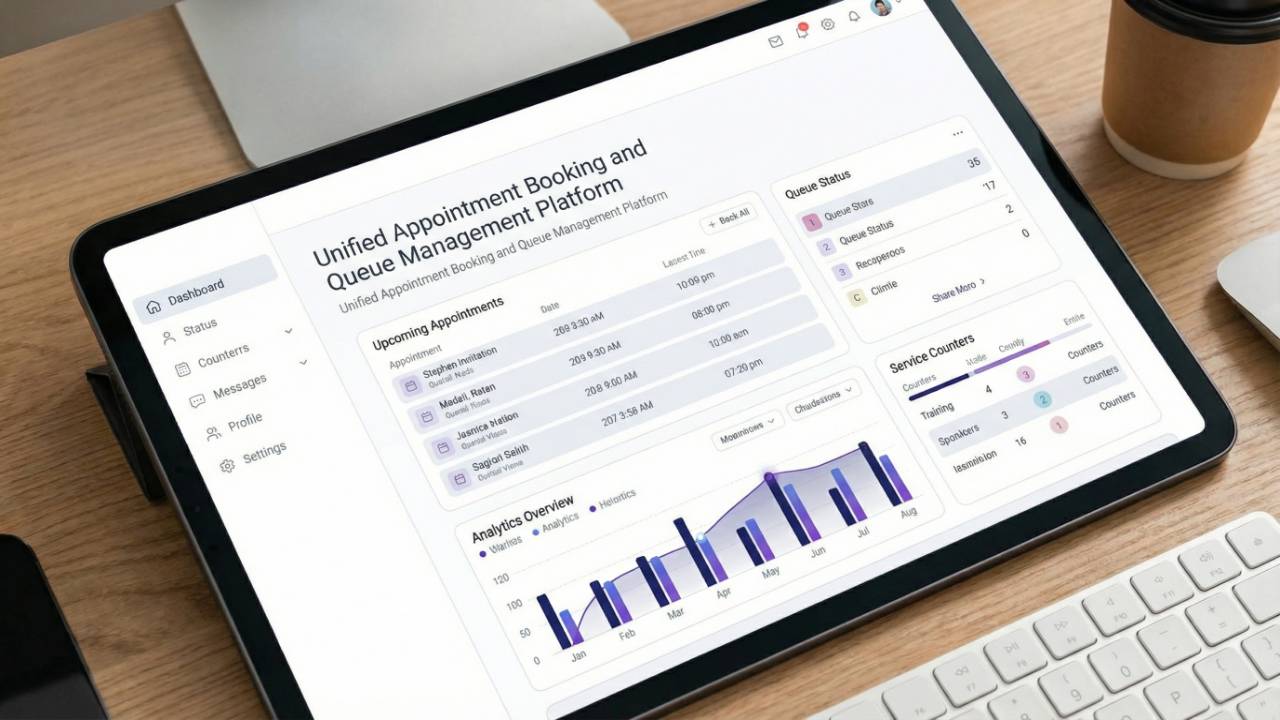
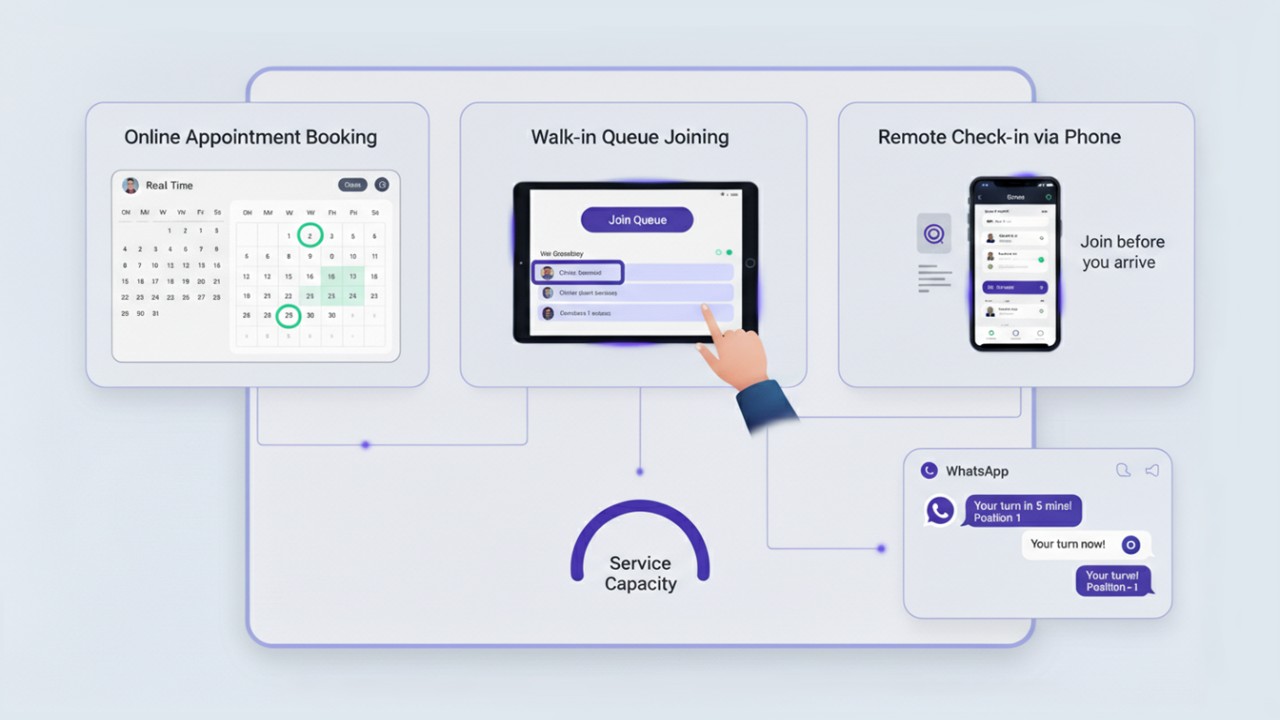
Why Smart Companies Are Merging Appointment Booking With Queue Management
| Capability | Traditional System | Smart Queue System | Business Impact |
| Data Flow | Isolated by channel | Fully integrated | No data silos; better CX |
| Wait Experience | Physical presence required | Remote/Virtual entry | 40%+ reduction in lobby crowding |
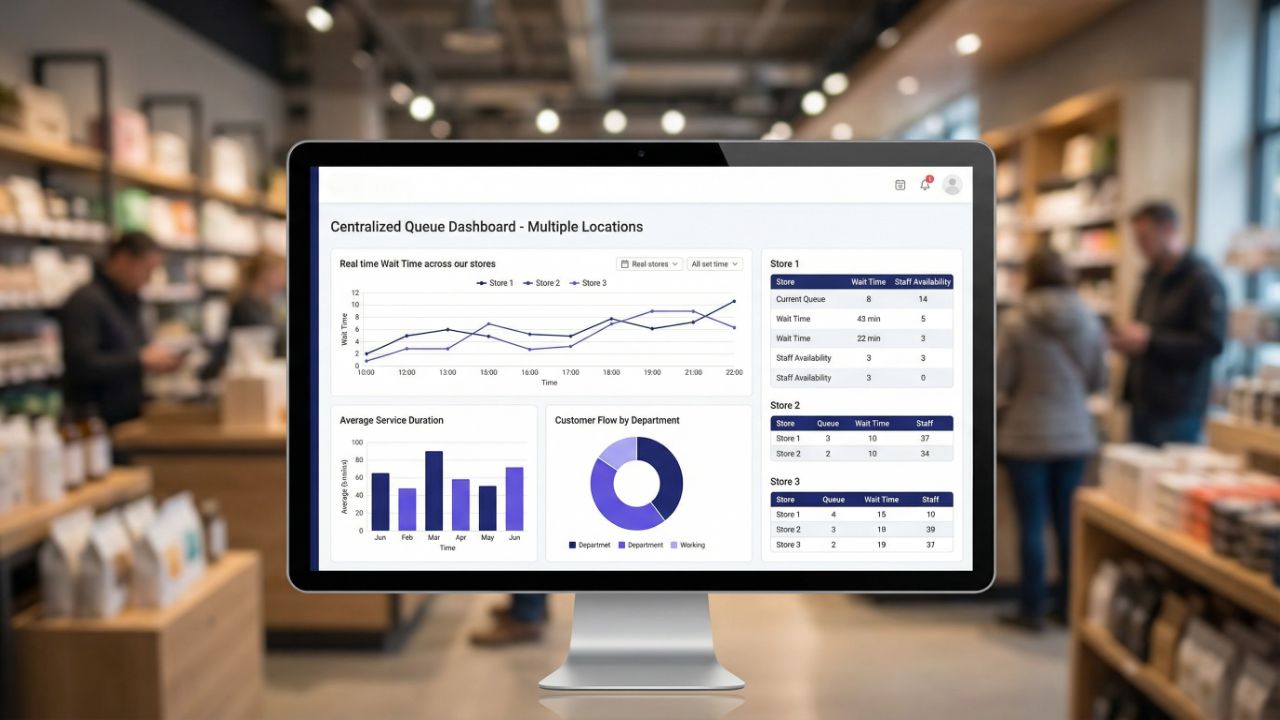
| Reporting | Fragmented/Manual | Single dashboard | Accurate resource planning |
| Feature | Manual/Basic Logic | Intelligent Automation |
| Routing | Staff call the next number | Logic-based routing to the best-skilled agent |
| Staffing | Fixed shifts | Real-time alerts for "load balancing." |
| Wait Times | Estimated by staff | AI-calculated based on live flow |
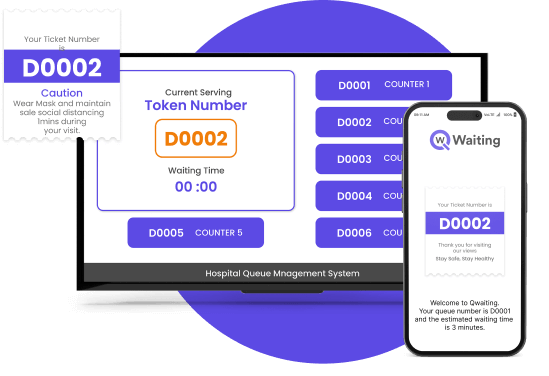
digital signage and queue systems work together to elevate the entire customer journey
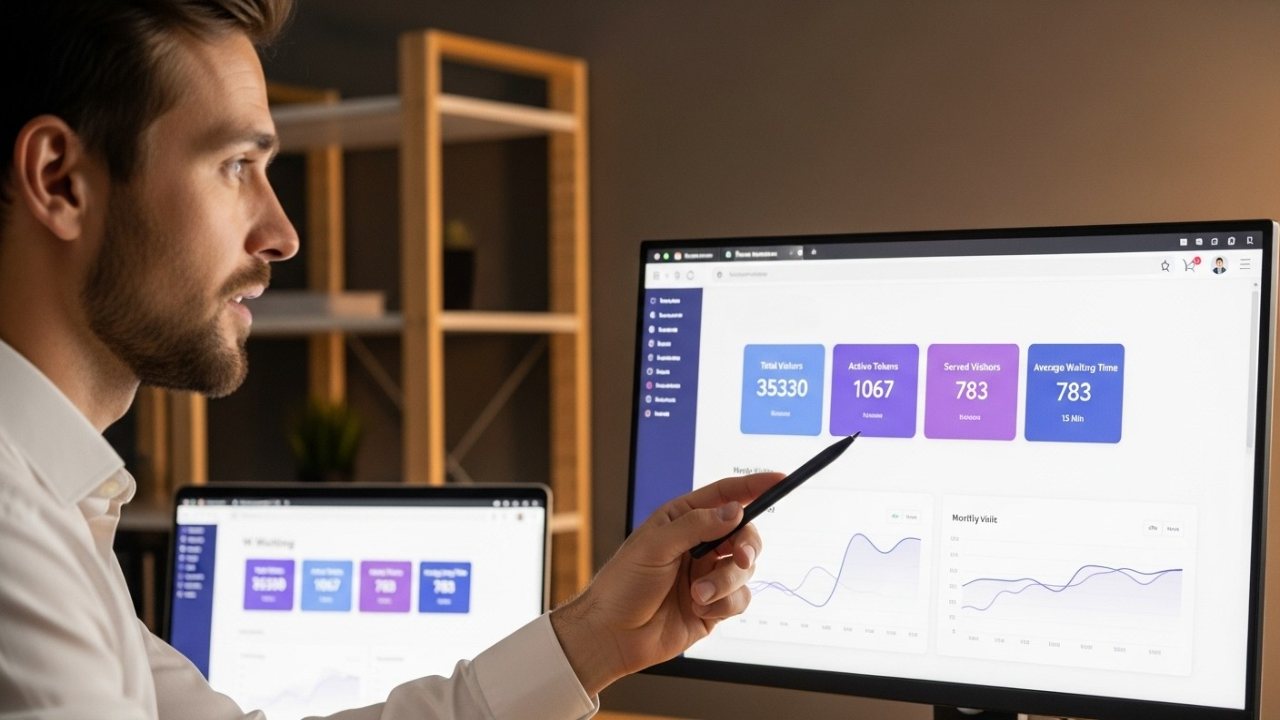
Queue Management Analytics: The Data Most Businesses Are Ignoring (And Paying For)
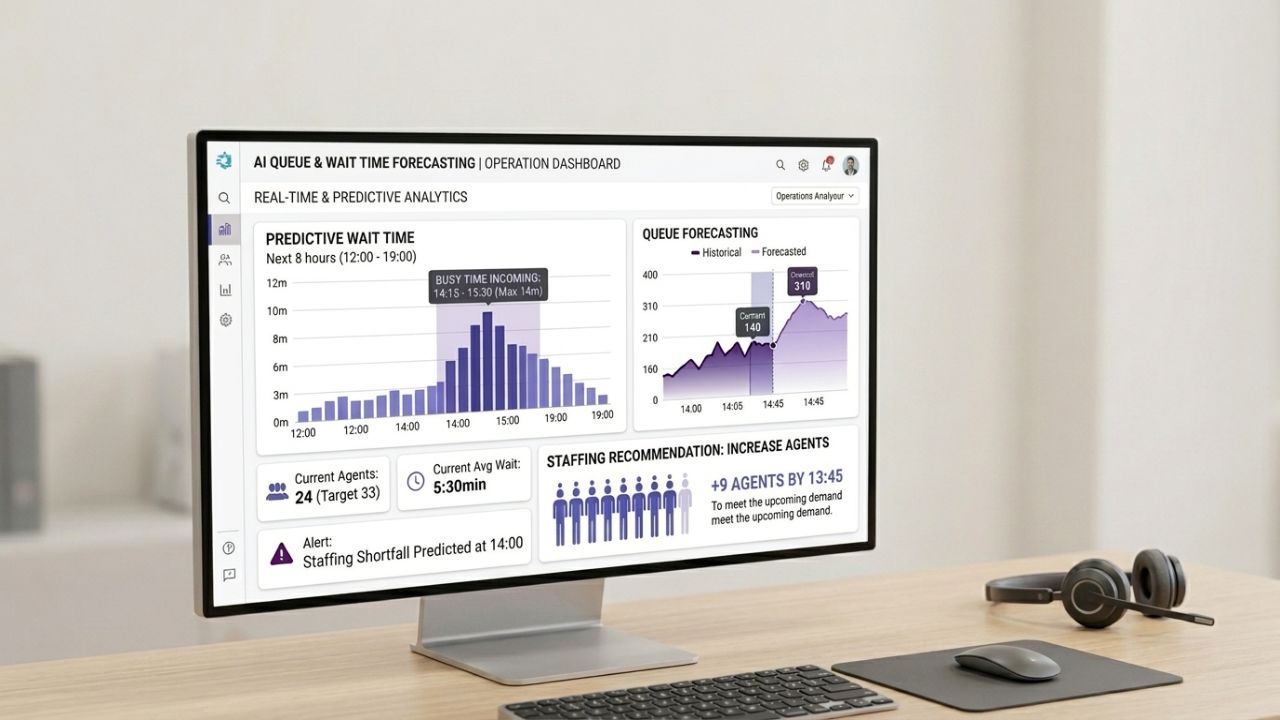
| Raw Data Point | Actionable Business Insight |
| "Average wait is 12 mins." | "Wait time exceeds SLA between 2 PM and 4 PM due to staff lunch breaks." |
| "10% drop-off rate" | "Customers abandon the queue after 8 mins of inactivity; needs engagement." |
| "500 customers served." | "Staff member X is 15% faster at high-complexity tasks; re-route." |
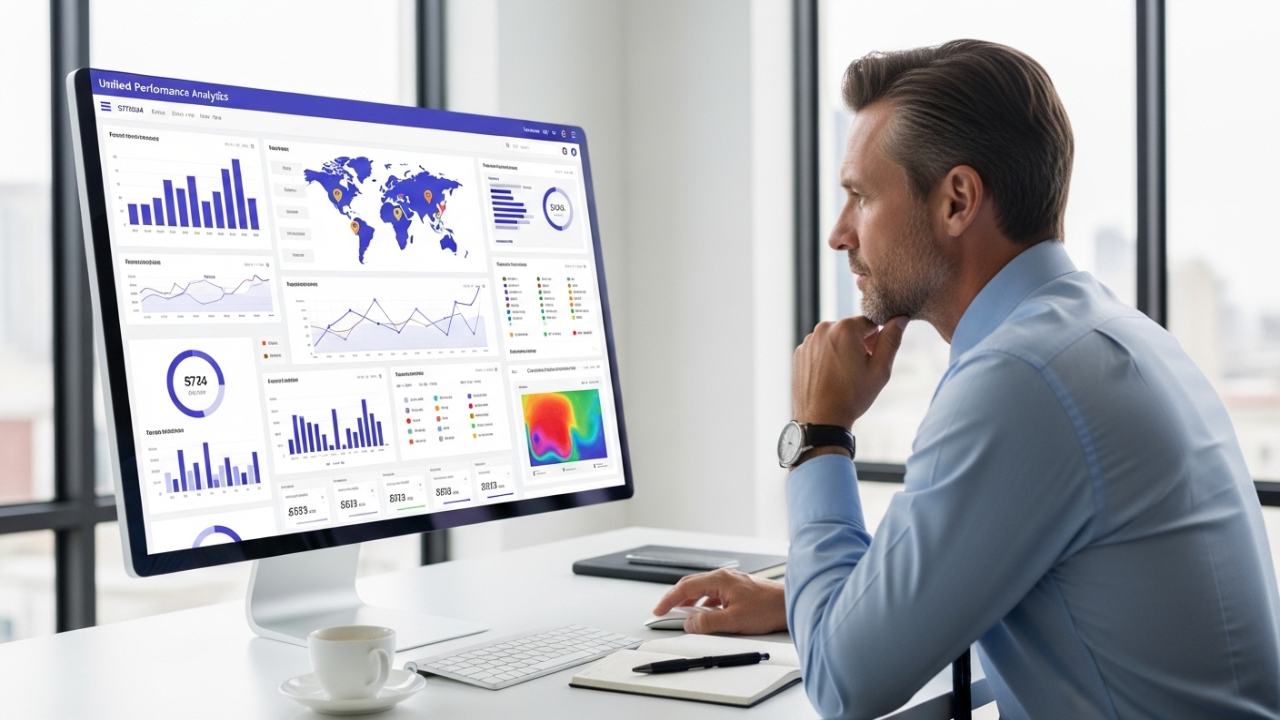
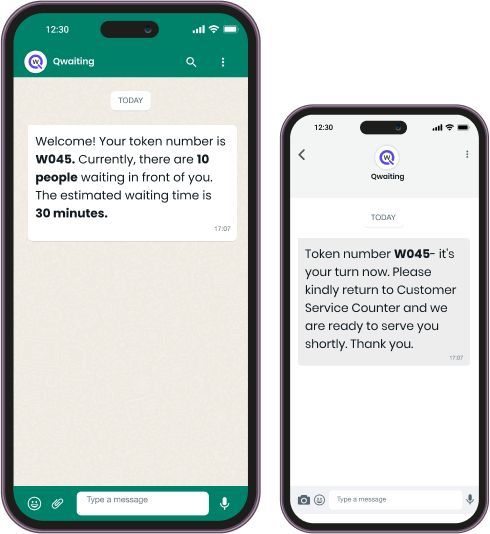
Real-time tracking, virtual queuing, appointment scheduling, self-service kiosks, SMS alerts, analytics dashboards, and seamless integrations. It should reduce wait time, not just manage it.
Customers don’t think in channels. Omnichannel queues unify walk-ins, online bookings, and mobile check-ins, delivering one smooth, frustration-free journey instead of disconnected experiences.
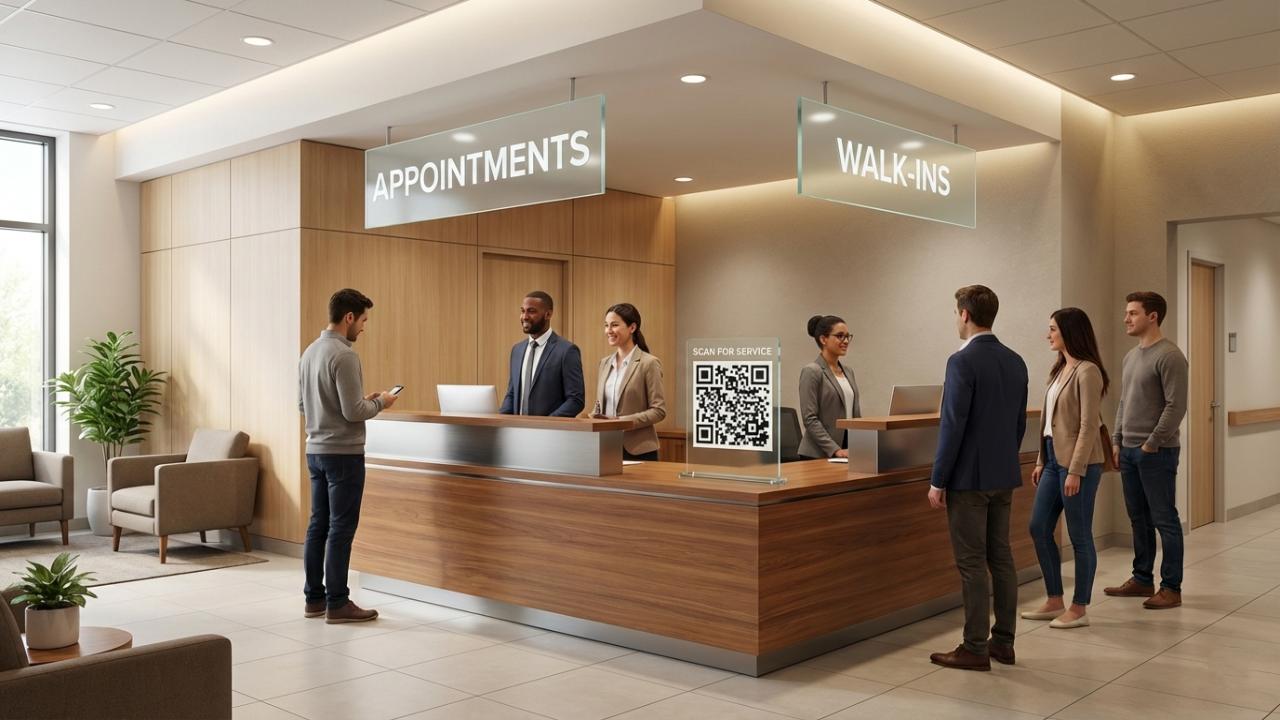
Absolutely. Strong systems merge walk-ins and appointments into one flow, preventing overcrowding, reducing no-shows, and giving businesses full control over customer traffic.
AI predicts rush hours, optimizes staff allocation, reduces bottlenecks, and personalizes customer flow, turning queues from reactive chaos into proactive, data-driven experiences.
For most businesses, yes. Cloud offers scalability, remote access, real-time updates, and lower upfront costs, while on-premise suits highly regulated environments needing full control.
It directs customers to the right service point based on needs, priority, or staff availability, cutting wait times and eliminating unnecessary back-and-forth.
Because growth is unpredictable. A scalable system handles more customers, locations, and services without breaking, ensuring consistent performance during peak demand or expansion.