


Fullerton Reduced Patient Wait Times by 40% With Qwaiting’s Smart Queue System

Founded in 2010, Fullerton Health is a healthcare organization across 9 markets throughout Asia and 550+ owned branches. After being established in Singapore, it has now spread its network over several nations. Known for its excellent patient care and advanced techniques, Fullerton serves 1500 patients daily.
But with the rise in Singapore's population and changing demands, Fullerton started facing some problems that affected their brand image and patient trust. To solve this issue, they needed a trusted partner that could help them automate their manual tasks, improve patient satisfaction, and ensure maximum staff productivity.
That's when they partnered with Qwaiting, a smart queue management software that not only transformed their hospital workings but also helped them create a strong market value for maximum profits.
Overview
Client
Fullerton Health Medical Centre
Industry
Healthcare
Location
Singapore
Type
Hospital
Fullerton Health is one of Asia’s leading healthcare providers. Founded in Singapore in 2010, the hospital now runs a wide network of medical centers across 9 countries. Fullerton focuses on making quality healthcare more affordable and easier to access for people across the region.
Challenges faced
- • Lack of analytics and reports
- • Slot visibility issues
- • Staff relying on manual record-keeping systems
- • Overcrowded service counters
Solutions Provided
- • Patient self-check-in kiosks
- • WhatsApp alerts for wait time updates
- • 10X rule and smart routing for better patient experience
- • Online appointment booking portal for patients
Results
- • Patients' wait times reduced by 40%
- • Staff efficiency improved by 30%
- • Smooth, crowd-free waiting experience
- • Reduced risk of errors or misinformation
- • Improved compliance with MOM and MOH audits
Challenges the hospital faced
1. Manual record-keeping systems
Staff members had to manage all the patient records manually. Sometimes these records were incorrect or incomplete, which later caused problems in audits.
2. Overcrowded waiting areas
Lack of real-time updates or notifications created confusion among patients. Nobody knew their expected waiting times or their spot number in a queue. This led to overcrowding at service counters.
3. Lack of data reports and analytics
With manual processes, there were no real-time reports or staff performance trackers. It was becoming difficult to track busy hours and to review performances.
4. No slot availability
Without proper software to book appointments, it was becoming difficult for patients to see available consultation slots, so appointment scheduling was becoming a guessing game. The hospital staff was overworked. Nurses, administrators, and doctors had to do too many things at once, due to which patient care suffered.
Solutions provided by Qwaiting to streamline patient flow and automate routine tasks
To ensure maximum staff efficiency and better patient experience, Fullerton Health Medical Centre partnered with Qwaiting, a smart digital solution that helped them streamline their patient flow and automate their routine tasks. Here's how Qwaiting helped:
Self-service kiosks
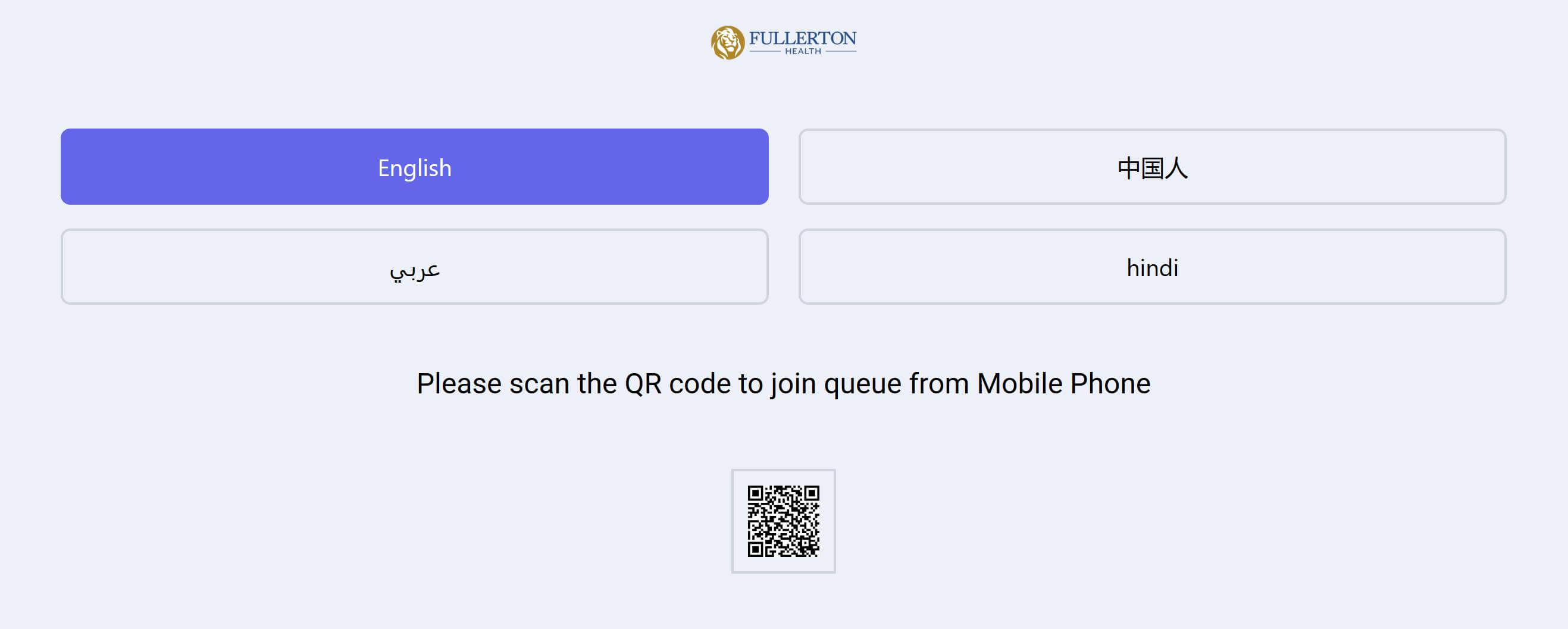
We installed on-spot self-service kiosks that supported multiple languages at the reception areas. Using these kiosks, the patients could easily:
-
Check in, select their preferred language, services, and optional dates and times
-
Verify their identity by scanning their Work permit cards or FIN.
-
This automated half of the staff member's task, as patients could easily add their details using simple steps, and the chances of errors are lowered.
WhatsApp notifications to keep patients engaged
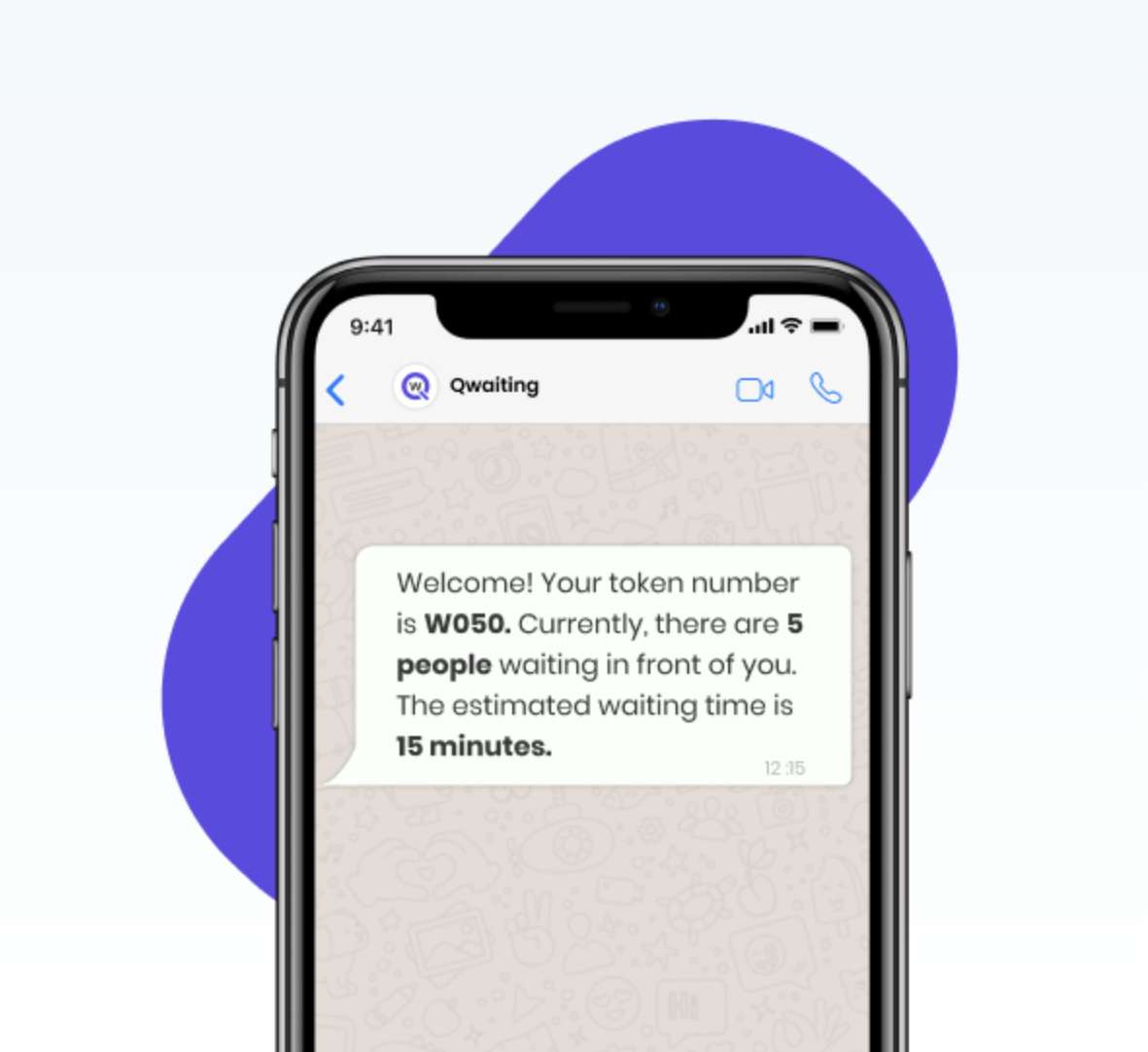
At the time of scheduling appointments, the kiosk asks for some basic patient details, like their names or phone numbers. Using this information, the software then sends automatic real-time message updates to the patients.
-
The message displays important information like: Patient's appointment confirmations, Queue status updates, Post-treatment follow-up messages
-
The notifications helped keep the patients in the loop and reduced the chances of appointment no-shows.
Online appointment booking portal
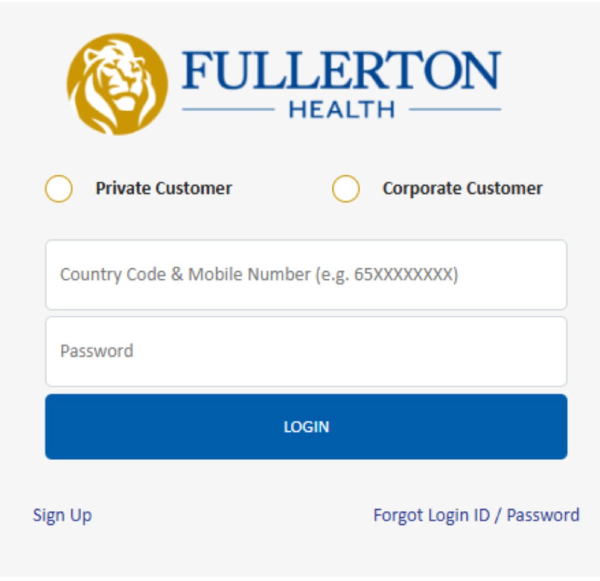
To ease the staff manual workload, we introduced an online appointment booking portal for the patients. Using the portal, patients can easily:
-
Book, reschedule, and even cancel their appointments according to their convenience.
-
Select their preferred service date and time, and the doctors they want to consult.
-
Pay instantly and receive their booking confirmations.
-
This saved the staff time and let them focus on more important work. Patients could book appointments themselves, which helped reduce missed visits.
The 10X rule for maximum efficiency
-
Qwaiting's smart system helped the hospital efficiently manage walk-ins and appointment patients by implementing a smart 10X routing system.
-
The rule suggested that after serving 10 online appointments, the system would prioritize 10 walk-ins and then keep a 20-minute buffer time in between.
-
This lets doctors and staff members prepare for the next 20 patients. This way, it was easier to keep things fair and balanced for executive staff and patients.
Smart routing system
Qwaiting implemented a smart routing system for dynamic reassignment of queues. This helped the staff members to:
-
Easily distribute the patient flow between halls based on real-time capacity.
-
The staff can separate and assign halls to patients based on their service requirements.
-
Lab work, consultation, and specialist visits, patients can be directed to ARI halls, whereas routine checkup patients can be directed to a non-ARI hall. This helped avoid unnecessary overlaps and confusion.
Results Fullerton Medical Centre saw after using Qwaiting
1. 40% reduction in wait times
Using online portals and WhatsApp notifications, patients are no longer required to wait at the reception counters as the notifications and real-time updates help keep them informed. Patients can wait around conveniently and show up when their turn comes up.
2. 30% increase in staff productivity
When patients could easily book their appointments using on-spot kiosks and online portals, staff members feel independent doing their other important tasks rather than managing records.
3. Accurate data and audit reports
When patients enter their basic information directly into the software, the chances of errors decrease. This also eliminates the need to double-check the data and saves time for staff members. Additionally, it supports efficient MOM (Ministry of Manpower) and MOH (Ministry of Health) audits.
4. No overcrowding in waiting rooms
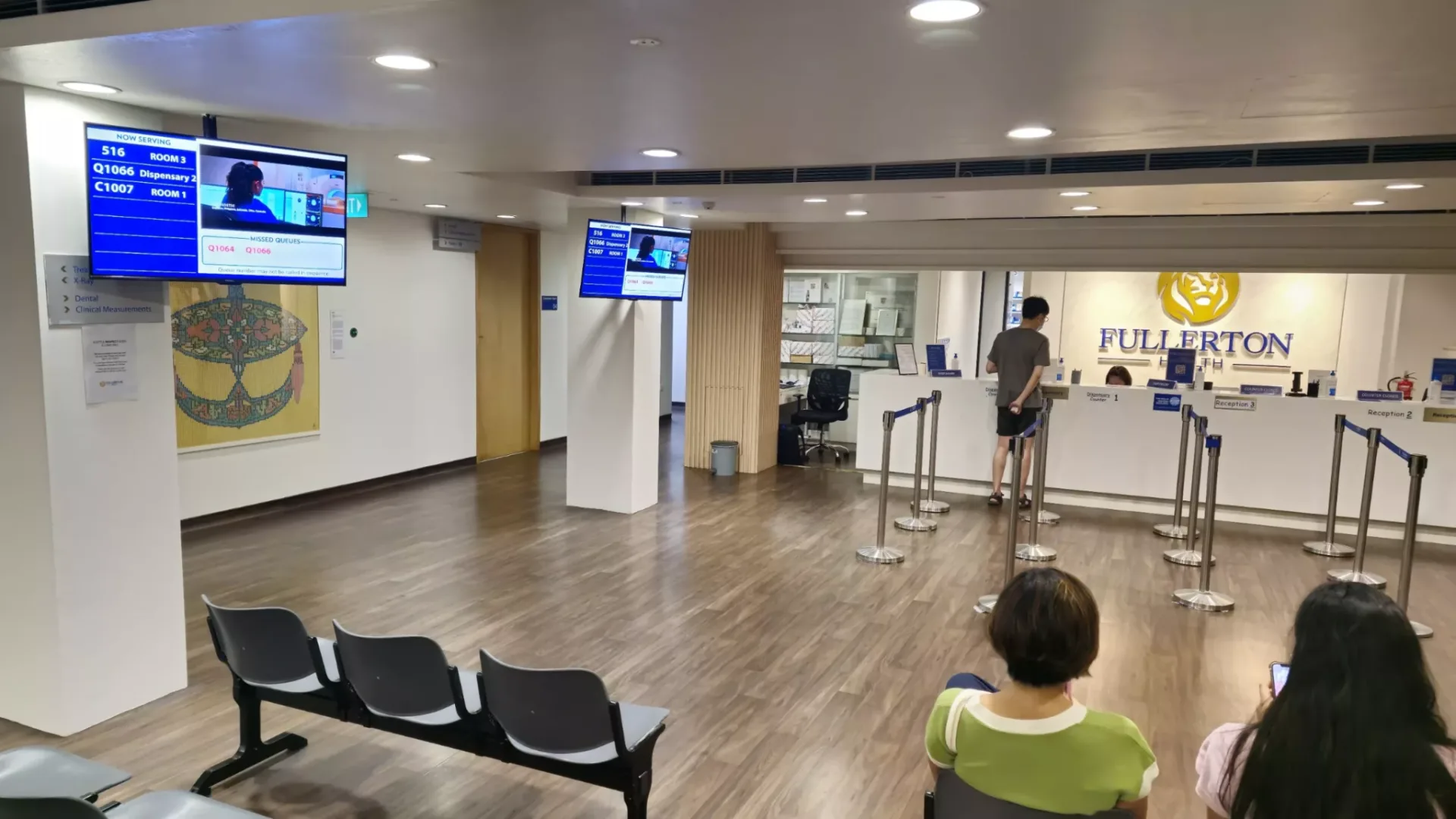
The notifications kept patients informed about their wait times and positions in the queue. This way, they could report at the time of their appointments, helping reduce crowding in the waiting areas and keeping the hospital organized.
Conclusion
The journey from long lines and paperwork chaos to smooth, tech-driven patient care wasn’t just a systems upgrade, it was a mindset shift. Fullerton Medical Centre has shown that using smart technology with a clear purpose can make healthcare more patient-friendly.
By partnering with Qwaiting, they didn’t just save time. They maintained professional integrity, patience, and kept their hospital environment organized.
If you're a healthcare provider still dealing with outdated systems, endless queues, and overworked staff, it’s time to consider a change.
Ready to transform your hospital's flow? Book a free demo with Qwaiting today. Let’s ensure your patient experience is as healthy as your patients.
Trusted by 10000+ Customers Worldwide
Join the industry leaders who trust Qwaiting for their queue management