


Deliver fast, reliable service with a cloud system that updates in real-time and scales with your business.

Control your data and infrastructure with a secure, offline-ready solution tailored for complex environments.

Empower customers to check in, book, or update their appointments without staff assistance.

Deliver fast, secure access for repeat visitors using AI-powered facial recognition.
 Banking
Streamline customer flow and reduce wait times in banks and financial institutions.
 Healthcare
Refine patient check-ins and improve healthcare service.
 Public
Sector
Public
Sector
Manage citizen services smoothly in government offices and public institutions.
 Retail
Improve shopping experiences by minimizing checkout lines and wait times.
 DMV
DMV
Organize customer service queues in automotive showrooms and service centers.
 Airport
Speed up passenger processing with efficient queue management at terminals.
All Industries → AI Appointment Booking System
Automate appointment scheduling with AI-powered booking, smart reminders, and seamless customer check-ins.
 Appointment
Booking
Appointment
Booking
Offer flexible scheduling that helps customers plan their visit and avoid peak-time congestion.
 Biometric
System
Biometric
System
Speed up identity verification and check-ins using facial or fingerprint recognition.
 Automation
Automate workflows and reduce manual tasks with smart queue solutions.
 Virtual
Queuing
Virtual
Queuing
Let customers wait from anywhere home, car, or cafe with mobile-based virtual queues.
 Visitor
Management
Visitor
Management
Track and manage visitor entry, exit, and ID verification from a single dashboard.
 Video
Queue
Video
Queue
Allow people to join video calls instantly with one link—no apps, Accessible on any browser.
 Tele-Consultation
Offer seamless virtual consultations with real-time communication tool.
All Solutions →
Watch quick product demos and tutorials to understand how Qwaiting works for your business.

Read expert insights, tips, and industry trends to enhance customer experience.

Download in-depth guides and resources to explore queue management best practices.

Explore Qwaiting in a quick interactive demo, no signup needed.

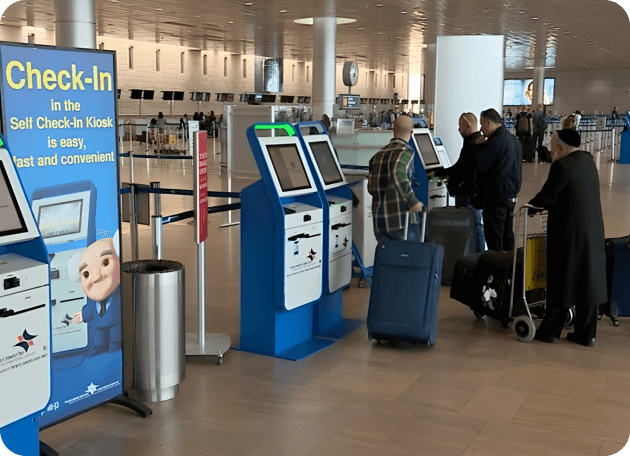


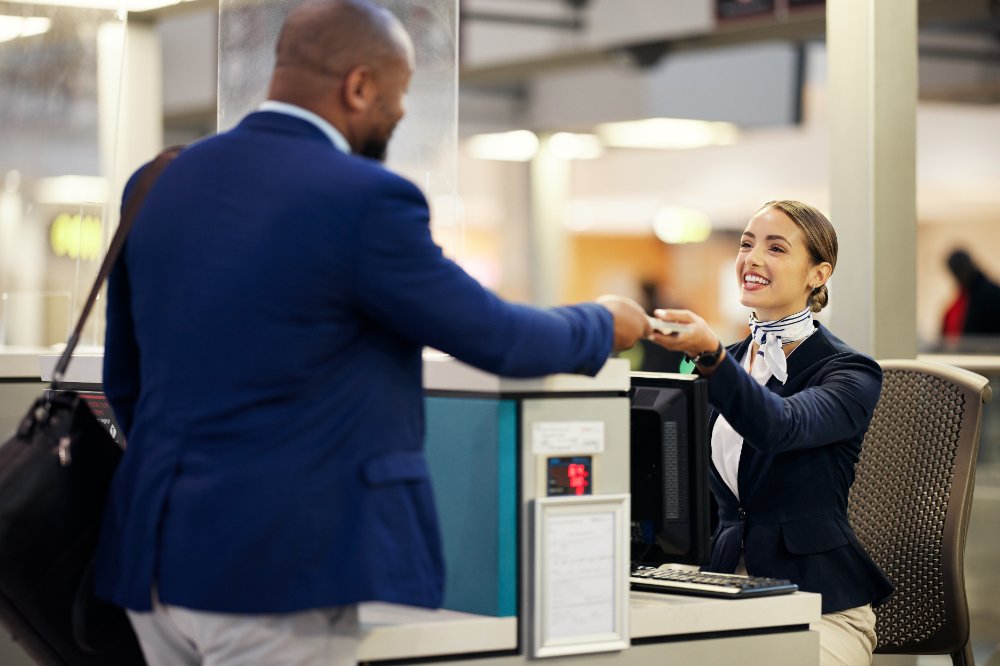
If you want to understand in depth how airport authorities can manage peak crowds at the airport, for maximum revenue and travel comfort,
you must read our blog: How to Manage Airport Queue During Peak Travel Times
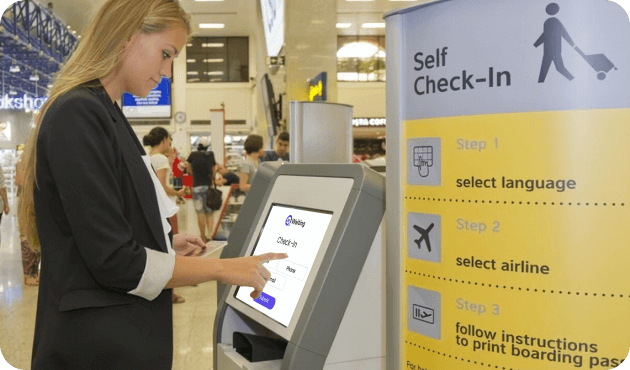
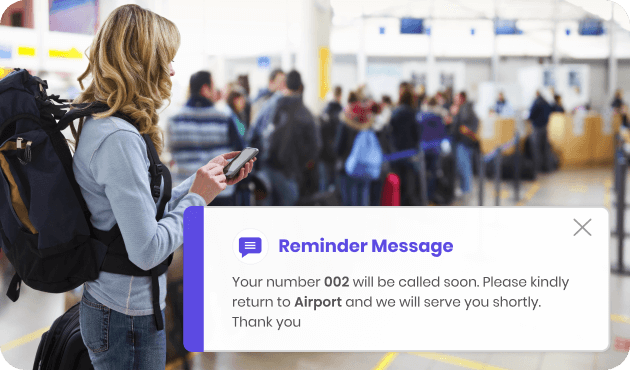
Airports use digital queues to let passengers check in virtually, receive real-time updates, and move only when it’s their turn. This minimizes travelers' idle wait times. This also keeps the airport counters organized and passengers informed of their wait time.
Yes. Passengers can easily pre-register or join queues online using their smartphones. This helps airport authorities reduce physical congestion and ensure smoother, faster check-ins with minimal manual intervention.
It organizes passengers into virtual groups, sends timely alerts, and ensures orderly boarding, preventing crowding at gates and improving passenger flow.
Absolutely. Digital queues are real-time, contactless, and data-driven, offering flexibility, transparency, and a smoother passenger experience than manual tokens.
Real-time data helps staff predict congestion, adjust staffing levels, and streamline passenger flow instantly, keeping operations efficient and stress-free.
Yes. They use encrypted databases and comply with global data privacy standards to ensure every passenger’s personal information remains protected.
Yes. Airlines can tailor queue rules, notifications, and service priorities based on passenger type, class, or flight schedules.
Future airports will integrate AI-driven digital queues, predictive analytics, and biometrics to deliver fully touchless, personalized passenger journeys.