

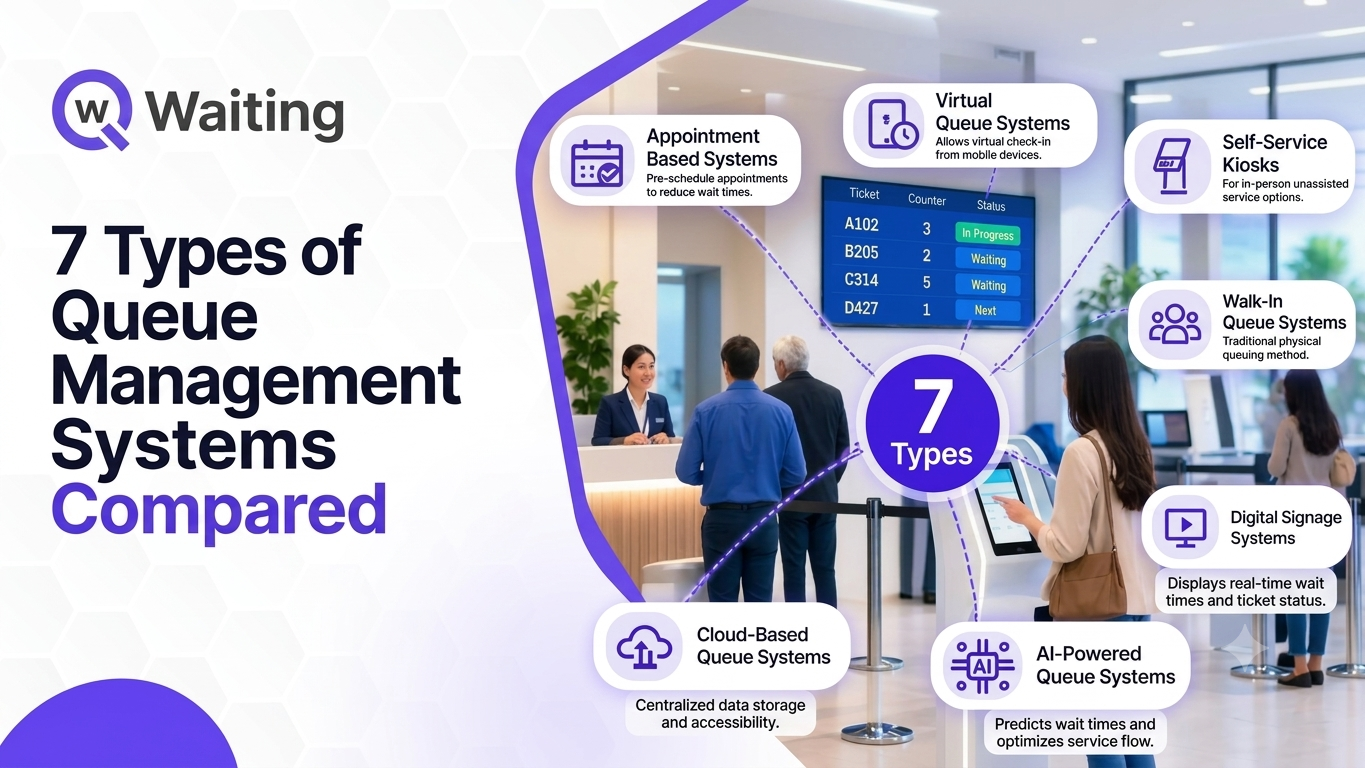
7 Types of Queue Management Systems Compared
Oct 07, 2026

Deliver fast, reliable service with a cloud system that updates in real-time and scales with your business.

Control your data and infrastructure with a secure, offline-ready solution tailored for complex environments.

Empower customers to check in, book, or update their appointments without staff assistance.

Deliver fast, secure access for repeat visitors using AI-powered facial recognition.
 Banking
Streamline customer flow and reduce wait times in banks and financial institutions.
 Healthcare
Refine patient check-ins and improve healthcare service.
 Public
Sector
Public
Sector
Manage citizen services smoothly in government offices and public institutions.
 Retail
Improve shopping experiences by minimizing checkout lines and wait times.
 DMV
DMV
Organize customer service queues in automotive showrooms and service centers.
 Airport
Speed up passenger processing with efficient queue management at terminals.
All Industries → AI Chatbot
Intelligent conversational AI that answers questions, books appointments, and assists 24/7.
AI Appointment Booking System
Automate appointment scheduling with AI-powered booking, smart reminders, and seamless customer check-ins.
 Appointment
Booking
Appointment
Booking
Offer flexible scheduling that helps customers plan their visit and avoid peak-time congestion.
 Biometric
System
Biometric
System
Speed up identity verification and check-ins using facial or fingerprint recognition.
 Automation
Automate workflows and reduce manual tasks with smart queue solutions.
 Virtual
Queuing
Virtual
Queuing
Let customers wait from anywhere home, car, or cafe with mobile-based virtual queues.
 Visitor
Management
Visitor
Management
Track and manage visitor entry, exit, and ID verification from a single dashboard.
 Video
Queue
Video
Queue
Allow people to join video calls instantly with one link—no apps, Accessible on any browser.
 Tele-Consultation
Offer seamless virtual consultations with real-time communication tool.
All Solutions → Become a Partner
Start your Qwaiting partner journey.
 Reseller Partner
Program
Reseller Partner
Program
Unlock new revenue by reselling Qwaiting solutions.
 Become a Sales Partner
Turn customer relationships into new revenue opportunities.
 Become a Development Partner
Build smarter customer journeys by connecting your technology.
 Become a Hardware Partner
Bring your devices, kiosks, and displays into connected customer flow.
Explainer
Videos
Watch quick product demos and tutorials to understand how Qwaiting works for your business.
 Blog
Blog
Read expert insights, tips, and industry trends to enhance customer experience.
 Ebooks
Download in-depth guides and resources to explore queue management best practices.
 Self Guided
Demo
Self Guided
Demo
Explore Qwaiting in a quick interactive demo, no signup needed.
Most operators know long waits are bad. Few can quantify exactly how bad. Let's break it down into the five places where queue management costs show up in your Profit and Loss:
A customer enters your branch, sees the line, checks their watch, and leaves. That's not a "maybe later", it's a lost transaction. Research shows businesses lose 75% of customers who experience excessive wait times, and most never return. Even worse, each dissatisfied customer shares their negative experience, ultimately tarnishing your brand image.
Appointments without reminders have a 15–28% no-show rate. Patients, clients, and applicants forget, get busy, or assume you'll call to confirm. Every no-show costs you the slot revenue plus the sunk labor cost of the staff member who sat idle.
When queues aren't managed, routine operations slow down. Staff waste time manually directing customers, answering repeated questions, and calming frustrated people. Hundreds of lost transactions every week directly impact your bottom line.
Bottom line: $37.7 billion revenue loss isn't just an "experience" problem. It's a margin problem. And it's measurable.
“Hard to track missed appointments using the manual scheduling method.” If you're still relying on paper logs and register entries, you can't easily calculate customer no-shows by specific day of week, time slot, or service type. Without these insights, you'll continue to schedule high-risk appointments at problematic times, repeating the same costly mistakes week after week. “Staffing decisions rely on 'we're always busy Tuesdays' instead of demand curves.” Most managers schedule based on what they think they remember: "Mondays are crazy" or "We're slow after lunch." But memory is selective and misses the real patterns. Queue analytics reveal the actual demand curves, when your peaks truly occur, or how long they last. Aligning your staffing to match these precise patterns can significantly increase throughput without requiring additional staff. “Nobody owns the queue” In many operations, the front desk is responsible for managing the line, but there is no systematic review of wait time trends. Without monthly reports on customer behavior and a system for using queue data to adjust schedules, the queue's issues are hidden and only become apparent when customers complain.
Let me guide you through effective queue management in practice by showcasing real implementations that have proven successful.
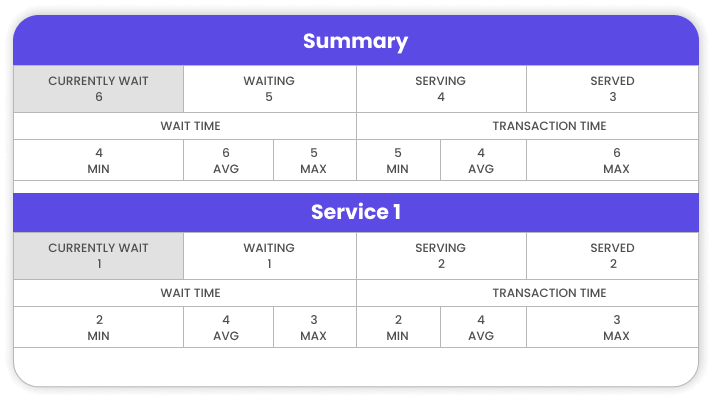
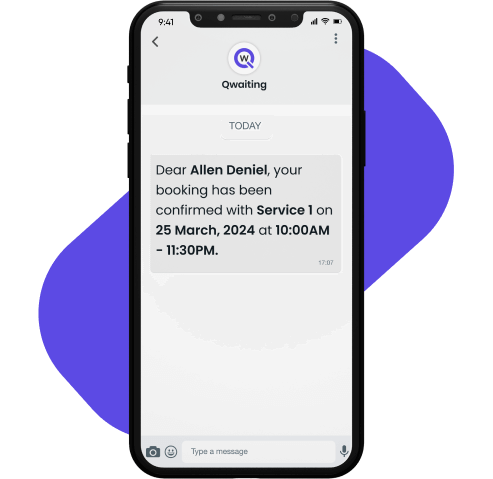
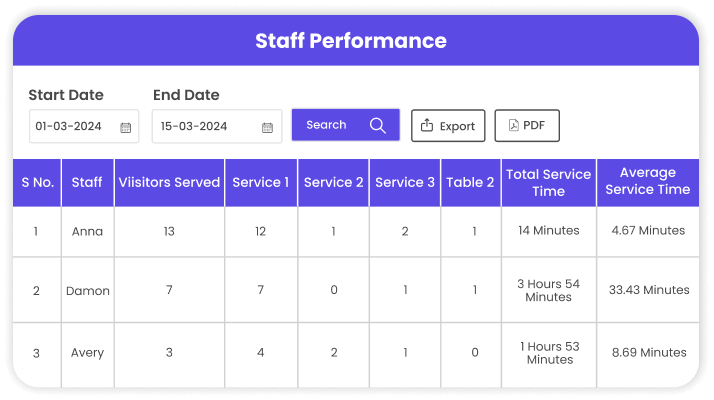
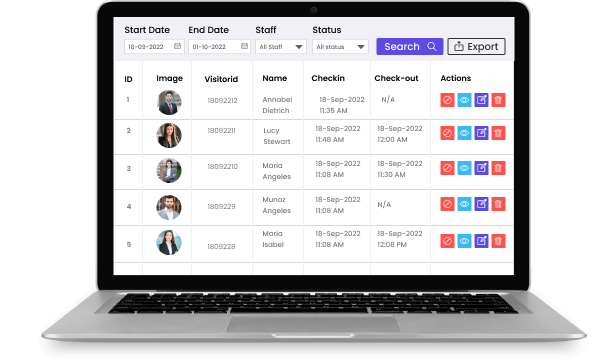
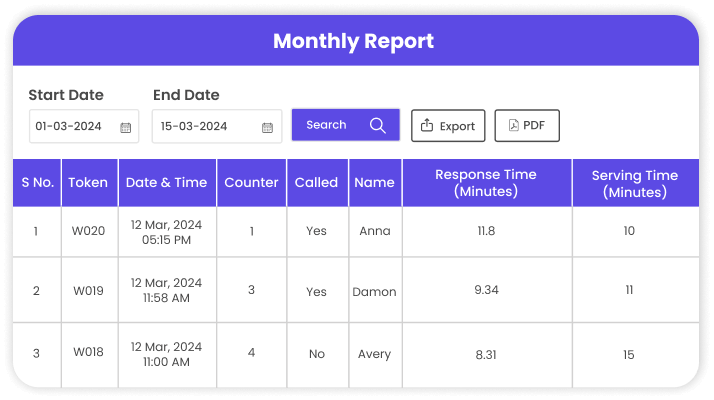
If you also want to calculate your queue management KPI’s daily, but don’t know from where to start? Must read our blog: Queue Management KPIs: 5 Metrics That Drive Operational Excellence.
Baseline scenario:
Improved scenario with Bank queue management system:
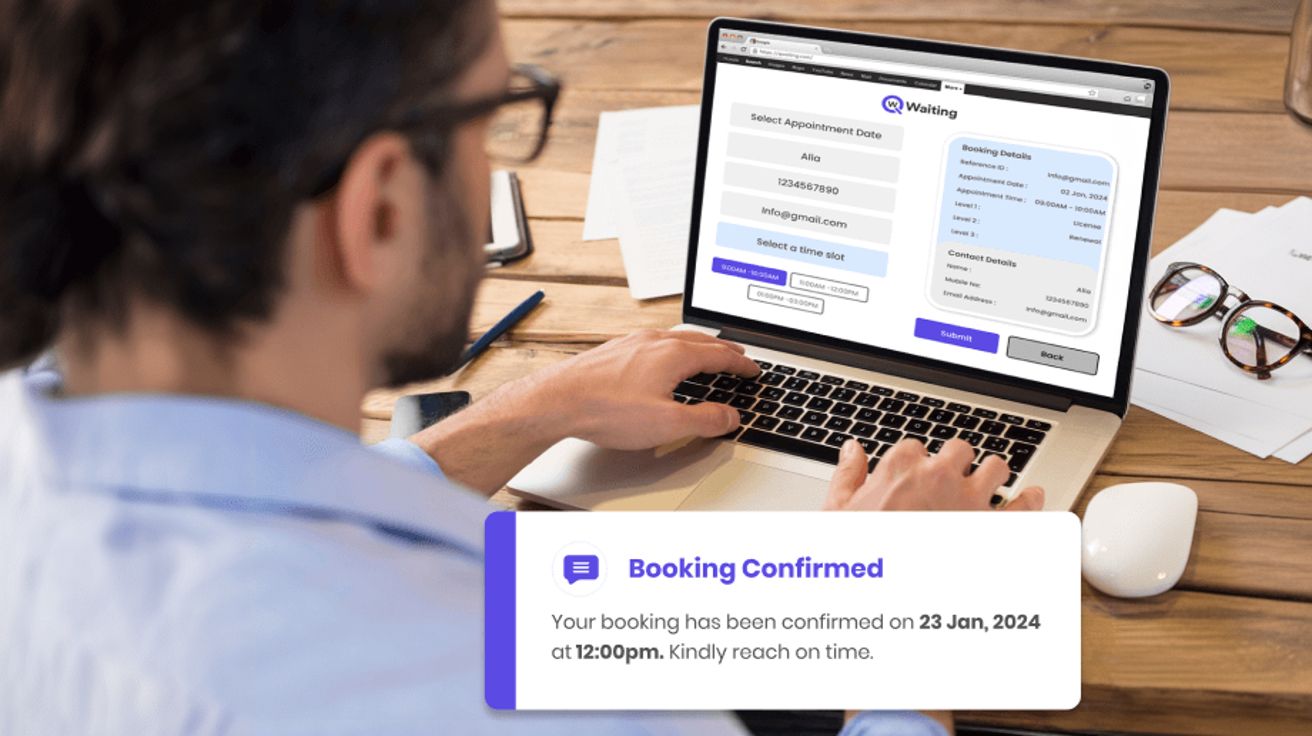
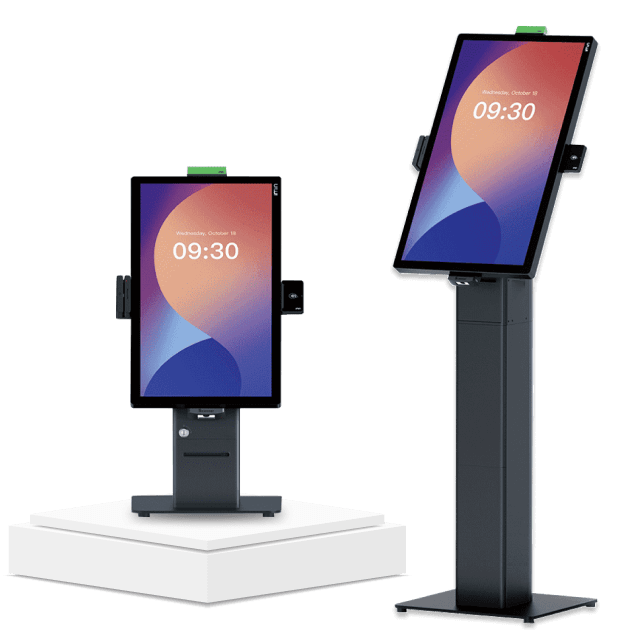
Pull three months of transaction timestamps from your POS, EMR, or CRM system. Plot the volume by hour and day of week to identify your top three peak windows and your deepest low points. Then shift breaks and lunches to those quieter periods, and add overlapping coverage during peak times.
Have a manager or supervisor time 20 random customer journeys each day, from arrival to when service actually begins. Calculate the average and look at the distribution. If your average wait exceeds 10 minutes, or if 75% of customers are waiting over 15 minutes, you're facing a significant queue management problem. Use that data as your baseline to track improvements over time.
Organizations that try to fix queues and fail usually make one of these mistakes:
Software can't fix a broken process. If you've got eight handoffs and three systems, streamline the workflow first. Otherwise, you're just getting a clearer view of something that still doesn't work.
Customers don't care about your 8-minute average wait time when they just waited 24 minutes. Focus on your longest waits! That's where people walk out.
Staff won't use systems that feel like surveillance. Involve them from the start. Show how it helps them. Explain the benefits, like less chaos, fewer complaints, and clearer priorities. And reward the improvements, don't just track them.
Customers got used to scheduling, mobile check-in, and status updates during COVID. They're not going back. If you still make people show up and wait blindly, you're already behind.
You can't fix inefficiency by hiring more people. Every wasted hour costs you $25–$40 in labor. Optimization isn't optional anymore! It's how you stay profitable.