


Deliver fast, reliable service with a cloud system that updates in real-time and scales with your business.

Control your data and infrastructure with a secure, offline-ready solution tailored for complex environments.

Empower customers to check in, book, or update their appointments without staff assistance.

Deliver fast, secure access for repeat visitors using AI-powered facial recognition.
 Banking
Streamline customer flow and reduce wait times in banks and financial institutions.
 Healthcare
Refine patient check-ins and improve healthcare service.
 Public
Sector
Public
Sector
Manage citizen services smoothly in government offices and public institutions.
 Retail
Improve shopping experiences by minimizing checkout lines and wait times.
 DMV
DMV
Organize customer service queues in automotive showrooms and service centers.
 Airport
Speed up passenger processing with efficient queue management at terminals.
All Industries → AI Appointment Booking System
Automate appointment scheduling with AI-powered booking, smart reminders, and seamless customer check-ins.
 Appointment
Booking
Appointment
Booking
Offer flexible scheduling that helps customers plan their visit and avoid peak-time congestion.
 Biometric
System
Biometric
System
Speed up identity verification and check-ins using facial or fingerprint recognition.
 Automation
Automate workflows and reduce manual tasks with smart queue solutions.
 Virtual
Queuing
Virtual
Queuing
Let customers wait from anywhere home, car, or cafe with mobile-based virtual queues.
 Visitor
Management
Visitor
Management
Track and manage visitor entry, exit, and ID verification from a single dashboard.
 Video
Queue
Video
Queue
Allow people to join video calls instantly with one link—no apps, Accessible on any browser.
 Tele-Consultation
Offer seamless virtual consultations with real-time communication tool.
All Solutions →
Watch quick product demos and tutorials to understand how Qwaiting works for your business.

Read expert insights, tips, and industry trends to enhance customer experience.

Download in-depth guides and resources to explore queue management best practices.

Explore Qwaiting in a quick interactive demo, no signup needed.
how hospitals struggle with long queues and why data-driven queue technology is now essential
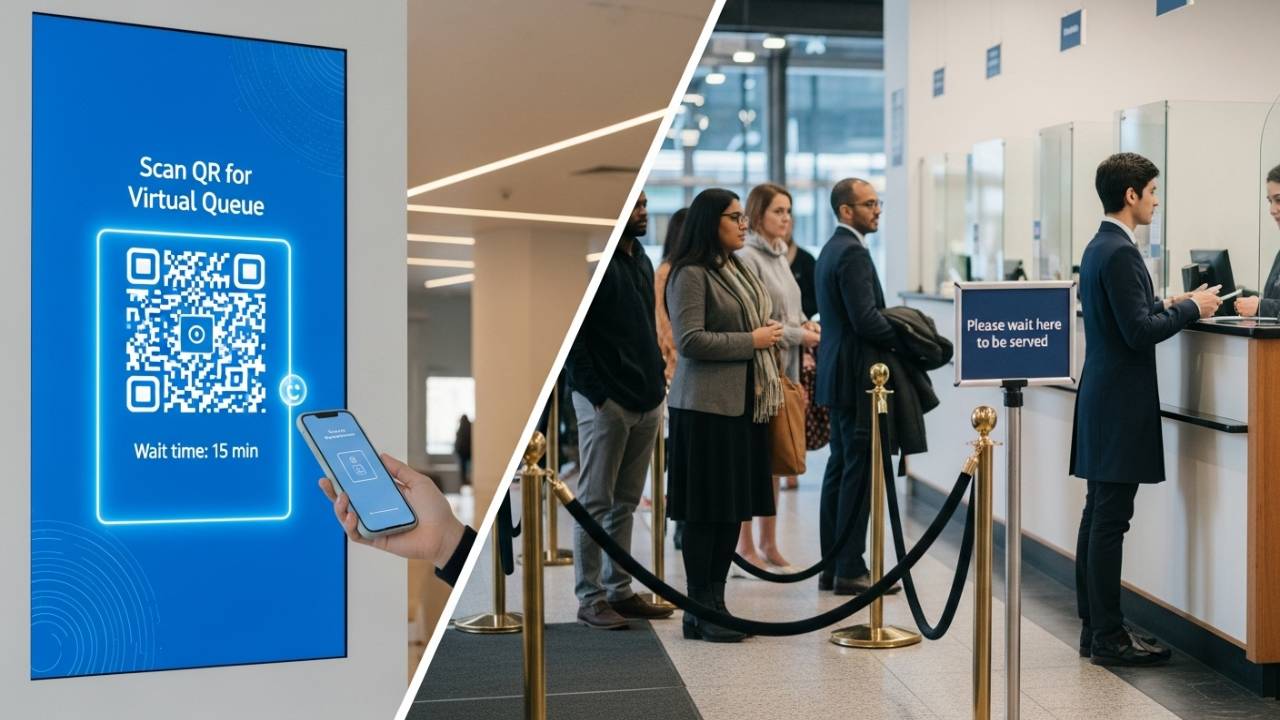
7 queue management mistakes and their solutions
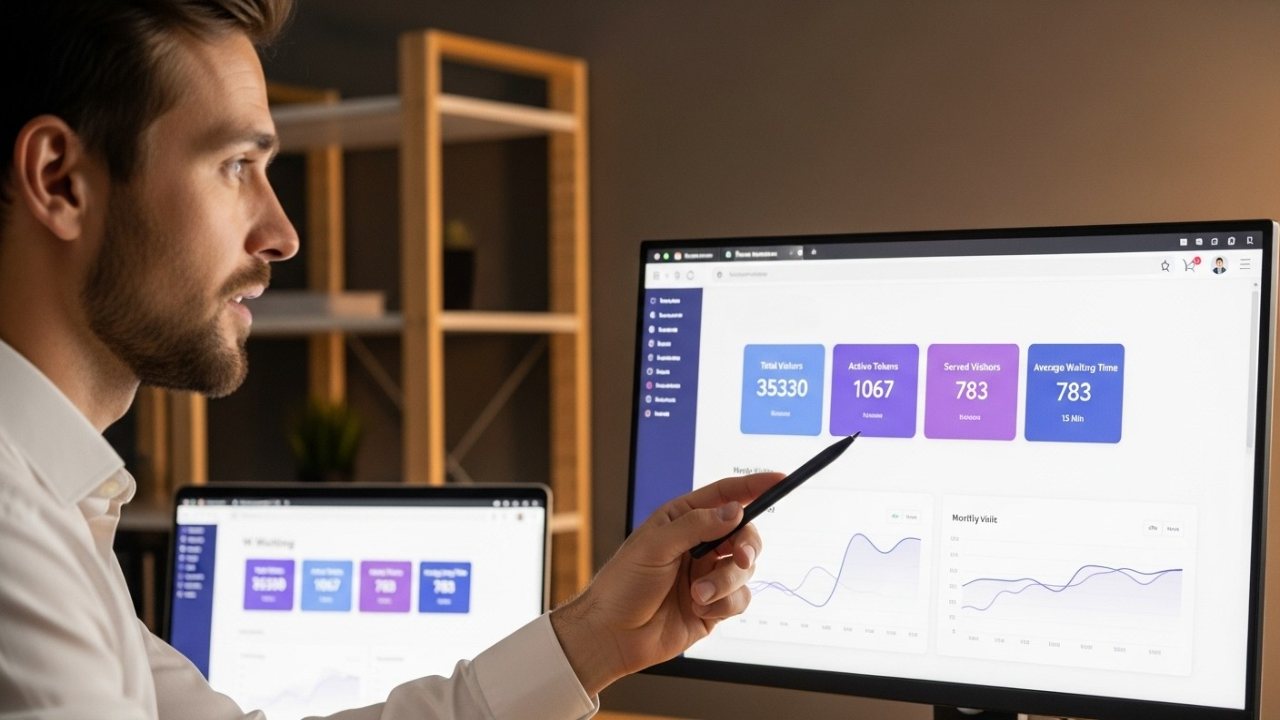

customer flow design for a better waiting experience
A/B testing compares two queue experiences in real conditions to see which moves customers faster. It replaces assumptions with proofs, helping enterprises reduce delays, congestion, and service friction without disrupting operations.
The most valuable metrics include average and peak wait time, queue abandonment rate, throughput per hour, service consistency across locations, and customer satisfaction indicators like post-service feedback.
Start with a clear hypothesis, keep staffing and service rules consistent, and test across matched locations or time periods. Measure wait time, abandonment, staff workload, and customer sentiment, not just speed.
Most enterprise queue tests require 4 to 8 weeks. This duration captures demand fluctuations, staffing variability, and behavioral patterns that short tests miss, ensuring results reflect real operational performance.
Yes. A/B testing helps reduce queue abandonment and missed appointments by testing arrival methods, communication timing, and appointment reminders. Enterprises can identify which experiences keep customers engaged, reduce walkaways, and lower no-show rates without overbooking or overstaffing.
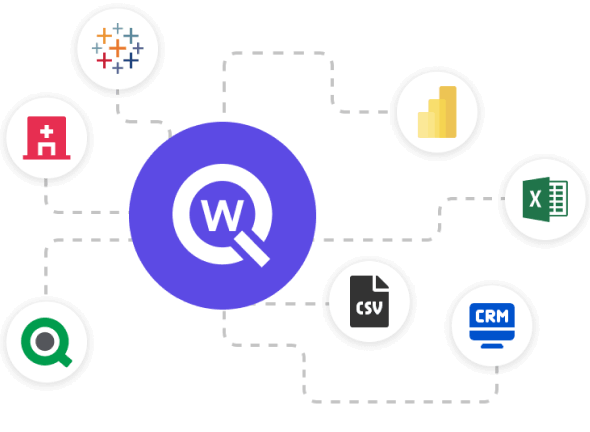
Enterprises need a cloud-based queue platform with real-time analytics, location-level segmentation, integration with scheduling and CRM systems, and centralized experiment control to ensure consistent testing at scale.
They test priority rules, lane structures, and communication strategies to find models that increase throughput while maintaining transparency and perceived fairness, ensuring speed gains don’t erode trust or satisfaction.