


Deliver fast, reliable service with a cloud system that updates in real-time and scales with your business.

Control your data and infrastructure with a secure, offline-ready solution tailored for complex environments.

Empower customers to check in, book, or update their appointments without staff assistance.

Deliver fast, secure access for repeat visitors using AI-powered facial recognition.
 Banking
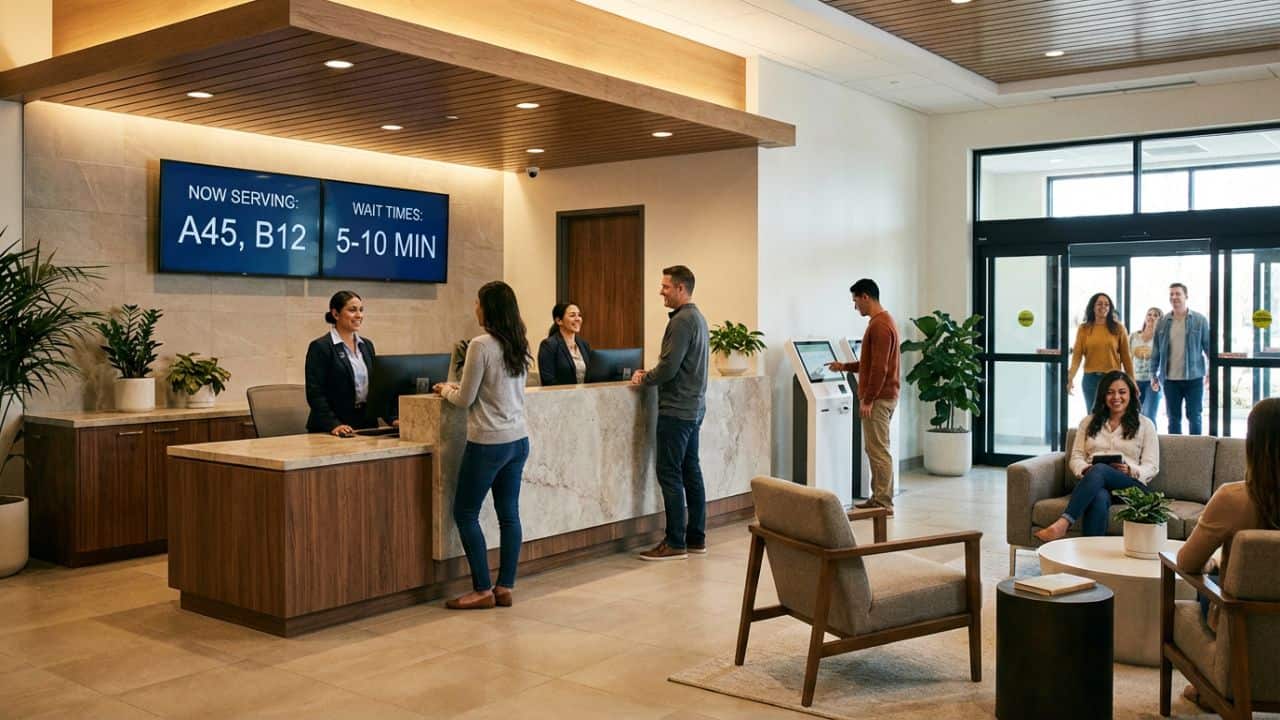
Streamline customer flow and reduce wait times in banks and financial institutions.
 Healthcare
Refine patient check-ins and improve healthcare service.
 Public
Sector
Public
Sector
Manage citizen services smoothly in government offices and public institutions.
 Retail
Improve shopping experiences by minimizing checkout lines and wait times.
 DMV
DMV
Organize customer service queues in automotive showrooms and service centers.
 Airport
Speed up passenger processing with efficient queue management at terminals.
All Industries → AI Appointment Booking System
Automate appointment scheduling with AI-powered booking, smart reminders, and seamless customer check-ins.
 Appointment
Booking
Appointment
Booking
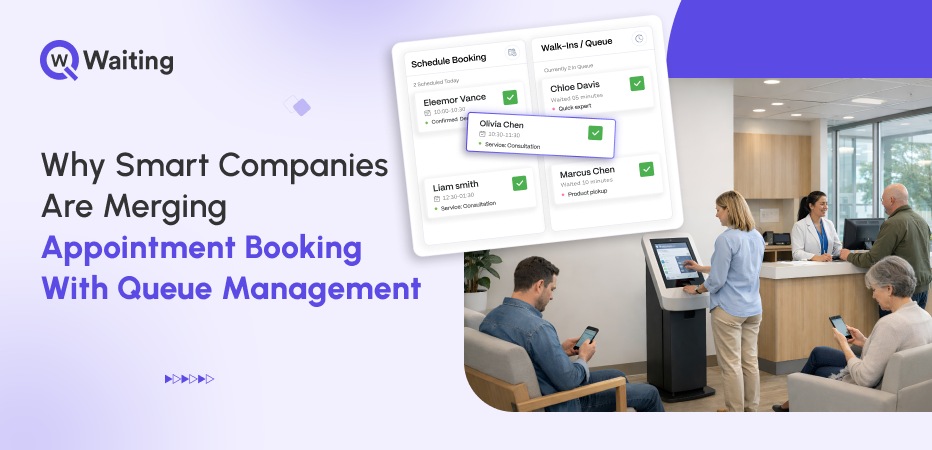
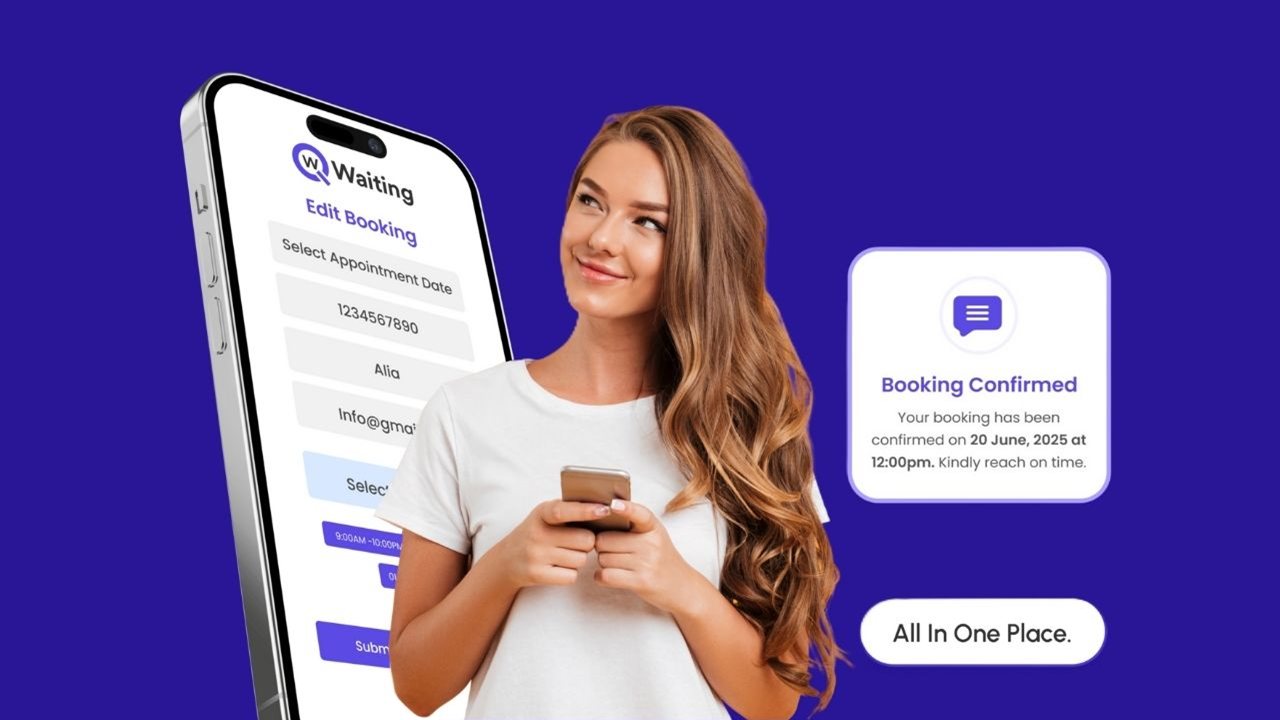
Offer flexible scheduling that helps customers plan their visit and avoid peak-time congestion.
 Biometric
System
Biometric
System
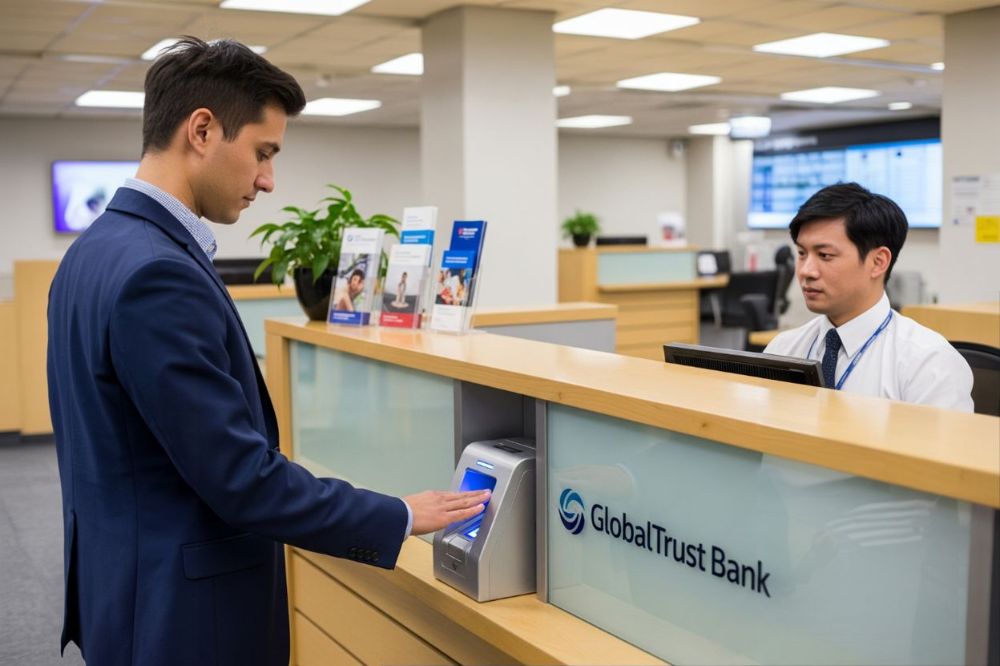
Speed up identity verification and check-ins using facial or fingerprint recognition.
 Automation
Automate workflows and reduce manual tasks with smart queue solutions.
 Virtual
Queuing
Virtual
Queuing
Let customers wait from anywhere home, car, or cafe with mobile-based virtual queues.
 Visitor
Management
Visitor
Management
Track and manage visitor entry, exit, and ID verification from a single dashboard.
 Video
Queue
Video
Queue
Allow people to join video calls instantly with one link—no apps, Accessible on any browser.
 Tele-Consultation
Offer seamless virtual consultations with real-time communication tool.
All Solutions →
Watch quick product demos and tutorials to understand how Qwaiting works for your business.

Read expert insights, tips, and industry trends to enhance customer experience.

Download in-depth guides and resources to explore queue management best practices.

Explore Qwaiting in a quick interactive demo, no signup needed.
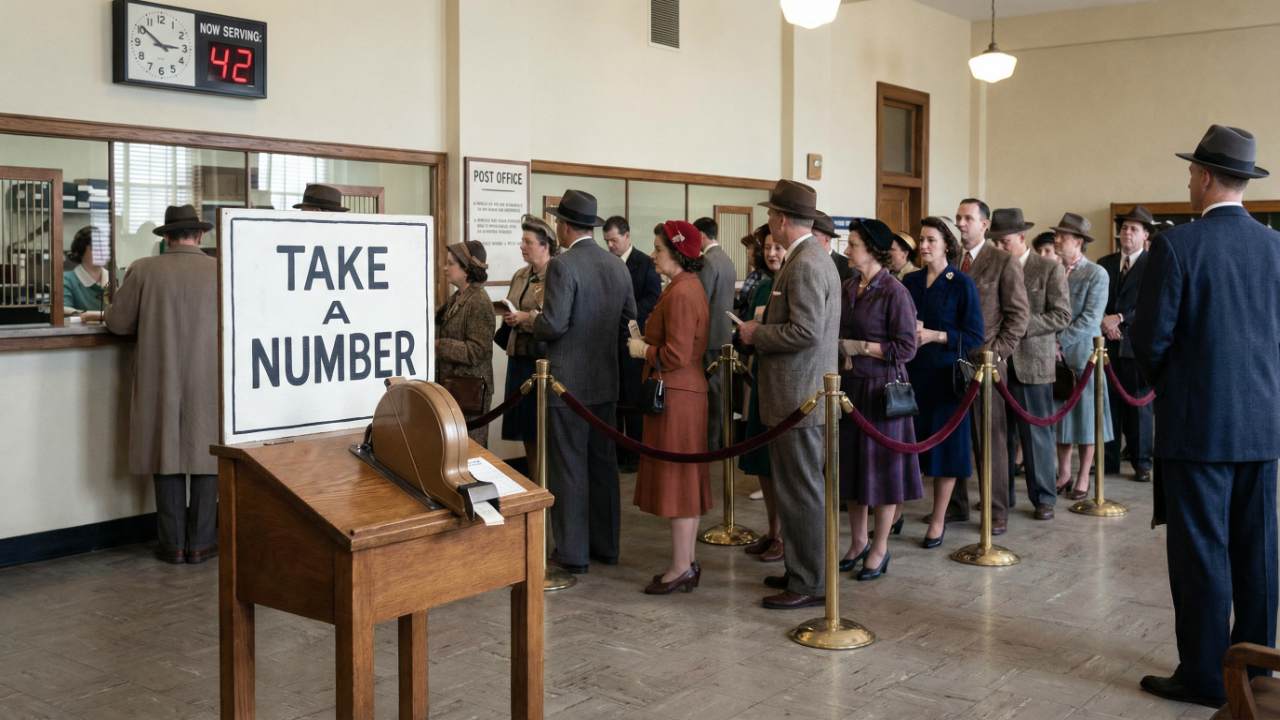
How traditional queue managements don't work anymore
5 Metrics That Drive Operational Excellence
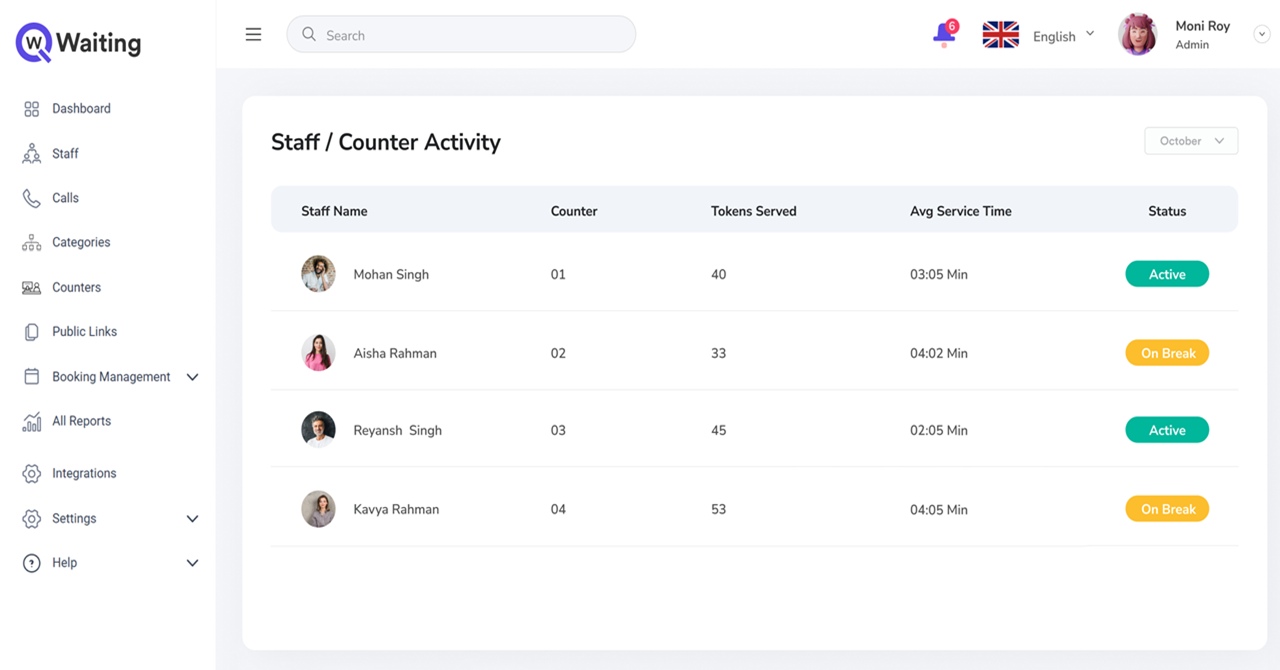
Also Read: Customer Flow Design for the Perfect Waiting Experience
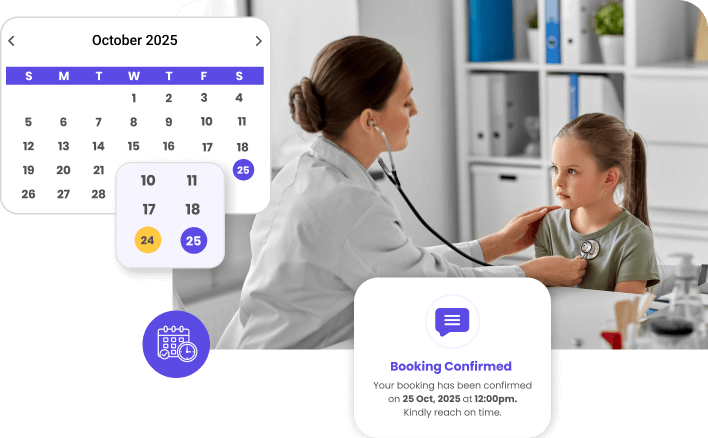
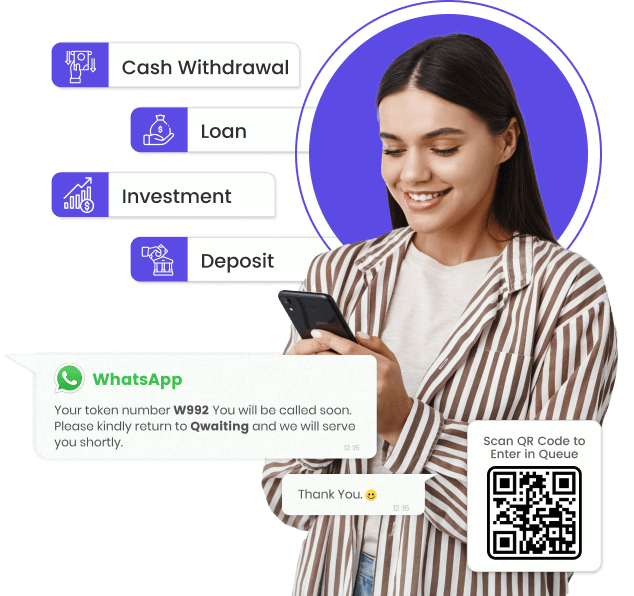
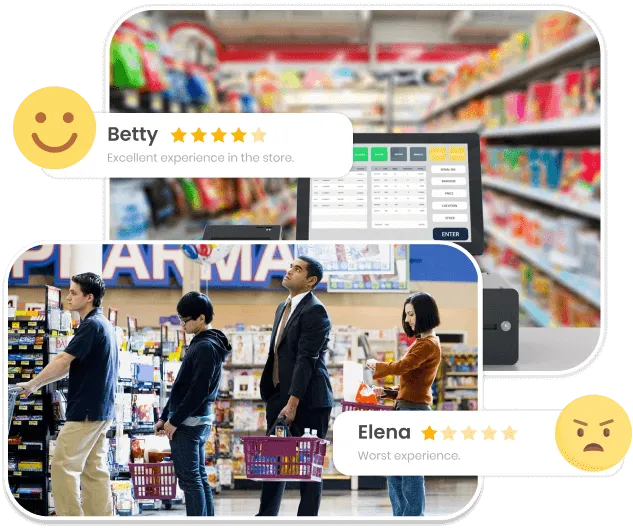
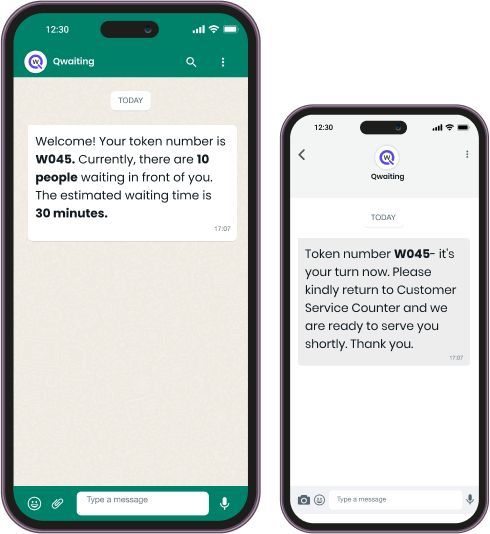
Here is a simple comparison of different industries of how switching operations to a smart orchestration approach helped transform their operations for a measurable result.
| Industry | Primary Challenge | Orchestration Approach | Measurable Result |
| Healthcare | Fragmented care journeys, no-show rates | Pre-arrival coordination, intelligent scheduling | 35-45% reduction in patient wait time; 28% improvement in appointment adherence |
| Banking | Misallocated expertise, branch inefficiency | Advisor routing, priority segmentation | 40% smaller branch footprint with maintained service quality; 25% increase in complex service conversions |
| Retail | Checkout friction, inconsistent experiences | Mobile queue-ahead, VIP recognition | 55% reduction in peak wait times; 18% decrease in basket abandonment |
| Government | Citizen frustration, resource constraints | Journey transparency, demand forecasting | 60% reduction in complaints; 30% improvement in staff utilization |
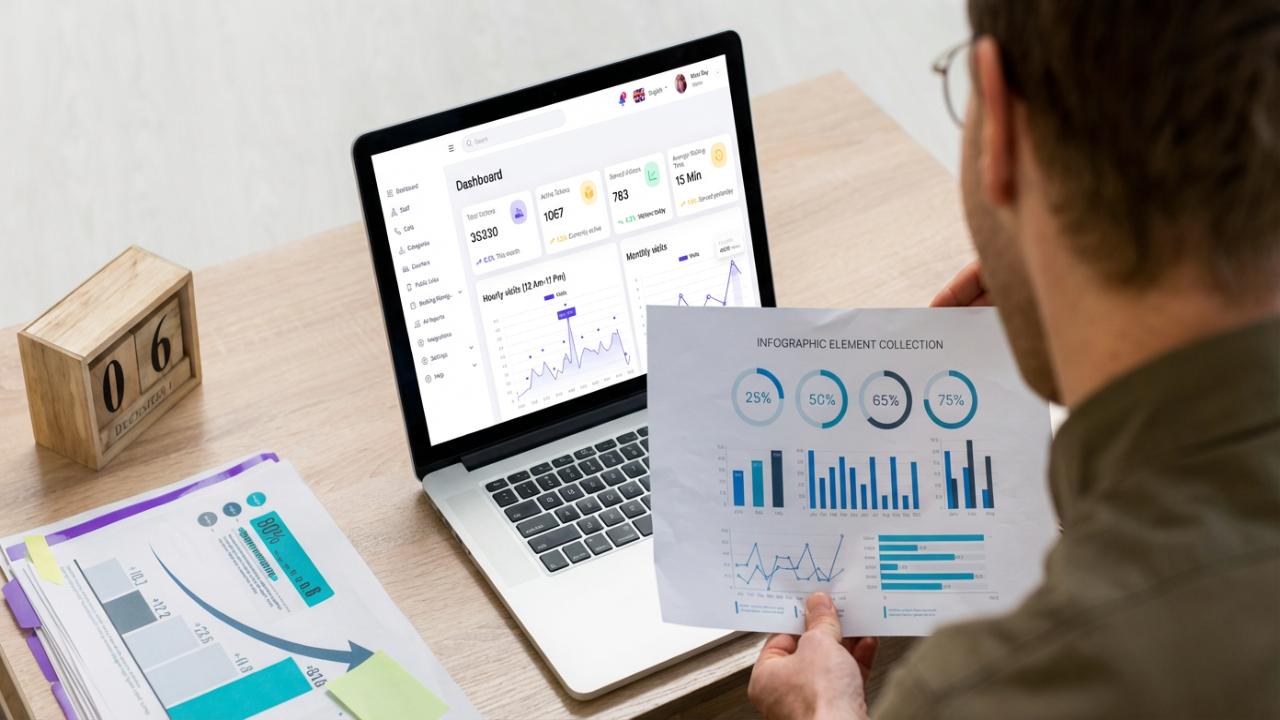
Don't just watch the clock; watch the whole journey. Real success means checking if customers actually finished what they started and where they got stuck. By tracking these "journey efficiency" scores, businesses can see exactly how smooth service translates into higher sales and recovered revenue.
Must Read: The Future of Customer Flow with RFID, Beacons, and Kiosks
Businesses are moving beyond queue management because lines are no longer the problem; fragmented customer journeys are. Journey orchestration connects booking, arrival, service, and follow-up into one intelligent flow, delivering personalization, operational visibility, and revenue impact that traditional queue systems simply can’t match.
Prioritize predictive routing, omnichannel entry points, appointment blending, messaging automation, and scalable APIs. The goal isn’t line control; it’s operational intelligence that drives throughput, satisfaction, and measurable business outcomes.
Yes. A smart orchestration platform unifies appointments, spontaneous visits, mobile check-ins, kiosks, and remote joining into one decision engine, dynamically balancing demand, resources, and service priority to eliminate silos and maximize service capacity.
Integrate orchestration alongside existing infrastructure, migrate high-impact journeys first, train staff incrementally, and use analytics to validate performance. Parallel operation minimizes risk while proving value before full-scale transition.
Look for reduced wait times, increased service throughput, higher staff utilization, improved conversion rates, fewer no-shows, stronger satisfaction scores, and actionable operational insights. When flow becomes predictable, revenue and retention typically follow.