


Deliver fast, reliable service with a cloud system that updates in real-time and scales with your business.

Control your data and infrastructure with a secure, offline-ready solution tailored for complex environments.

Empower customers to check in, book, or update their appointments without staff assistance.

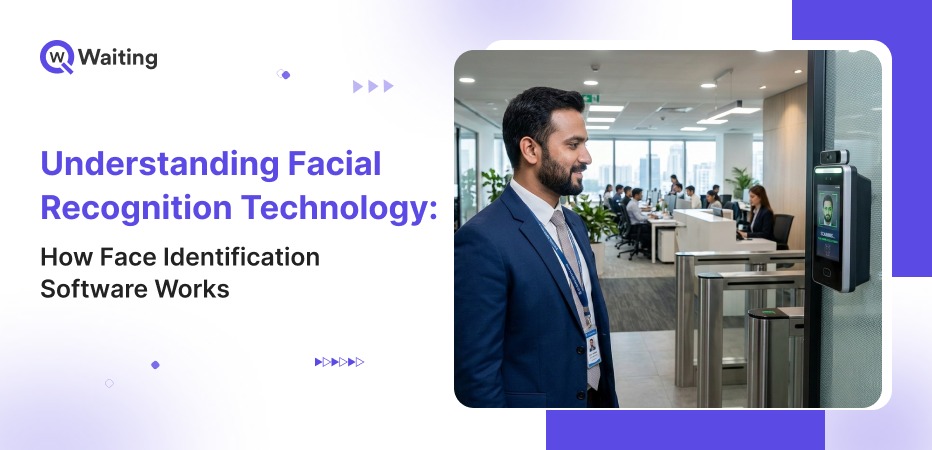
Deliver fast, secure access for repeat visitors using AI-powered facial recognition.
 Banking
Streamline customer flow and reduce wait times in banks and financial institutions.
 Healthcare
Refine patient check-ins and improve healthcare service.
 Public
Sector
Public
Sector
Manage citizen services smoothly in government offices and public institutions.
 Retail
Improve shopping experiences by minimizing checkout lines and wait times.
 DMV
DMV
Organize customer service queues in automotive showrooms and service centers.
 Airport
Speed up passenger processing with efficient queue management at terminals.
All Industries → AI Appointment Booking System
Automate appointment scheduling with AI-powered booking, smart reminders, and seamless customer check-ins.
 Appointment
Booking
Appointment
Booking
Offer flexible scheduling that helps customers plan their visit and avoid peak-time congestion.
 Biometric
System
Biometric
System
Speed up identity verification and check-ins using facial or fingerprint recognition.
 Automation
Automate workflows and reduce manual tasks with smart queue solutions.
 Virtual
Queuing
Virtual
Queuing
Let customers wait from anywhere home, car, or cafe with mobile-based virtual queues.
 Visitor
Management
Visitor
Management
Track and manage visitor entry, exit, and ID verification from a single dashboard.
 Video
Queue
Video
Queue
Allow people to join video calls instantly with one link—no apps, Accessible on any browser.
 Tele-Consultation
Offer seamless virtual consultations with real-time communication tool.
All Solutions →
Watch quick product demos and tutorials to understand how Qwaiting works for your business.

Read expert insights, tips, and industry trends to enhance customer experience.

Download in-depth guides and resources to explore queue management best practices.

Explore Qwaiting in a quick interactive demo, no signup needed.
Here’s a snapshot of the 5 most common customer frustrations in physical queues:
| Frustration | Impact on Experience |
| No clarity on wait time | 73% cite this as the primary complaint |
| Long, unmoving lines | Creates immediate walkaway risk |
| Confusion about which queue to join | Wastes time, increases anxiety |
| Lack of status updates | Erodes trust in the process |
| Inconsistent service across locations | Damages brand perception |
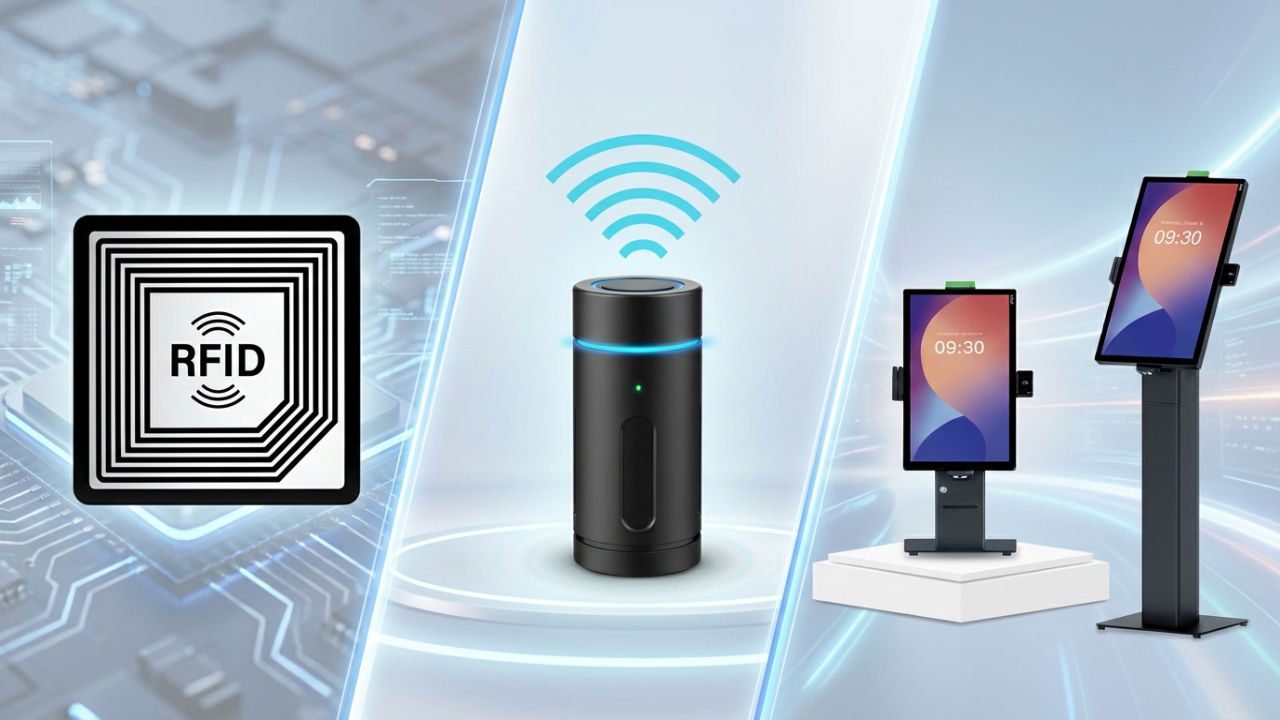
Location Technology Comparison:
| Technology | Indoor Accuracy | Primary Use | Customer Action Required |
| RFID | 1-3 meters | Identity tracking, access control | None (passive) |
| Bluetooth Beacons | 1-5 meters | Proximity detection, routing | Opt-in via app |
| Wi-Fi Triangulation | 5-15 meters | General presence analytics | None (passive) |

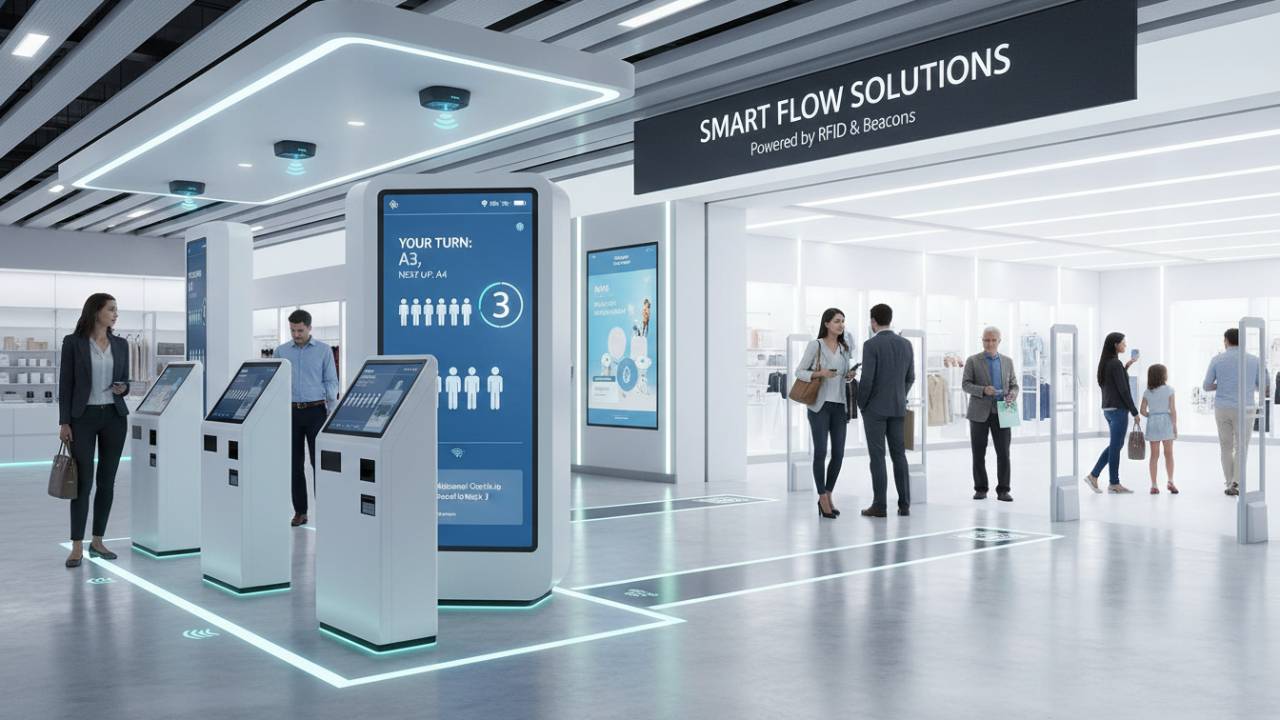
Client Perspective: "Before integration, we managed queues reactively. After implementing RFID tracking, beacon routing, and kiosk check-ins across our clinic network, we're operating predictively. We reduced patient wait times by 20 minutes while seeing 20% more efficiency in staff work. The system tells us where staff are needed before bottlenecks form, that shift alone justified the investment." — Operations Director, Holy Cross Medical Center
Here’s how traditional vs integrated customer journey impacts business growth:
| Metric | Traditional System | Integrated System | Improvement |
| Average Check-In Time | 2-3 minutes | 20-30 seconds | 75% faster |
| Wait Time Visibility | None or static display | Real-time, personalized | 100% transparency |
| Staff Involvement (Entry) | High (manual reception) | Low (self-service kiosk) | 60% reduction |
| Customer Routing Accuracy | Random or first-available | Service-specific, optimized | 85% better matching |
| Abandoned Queue Rate | 20-30% | 8-12% | 50-60% reduction |
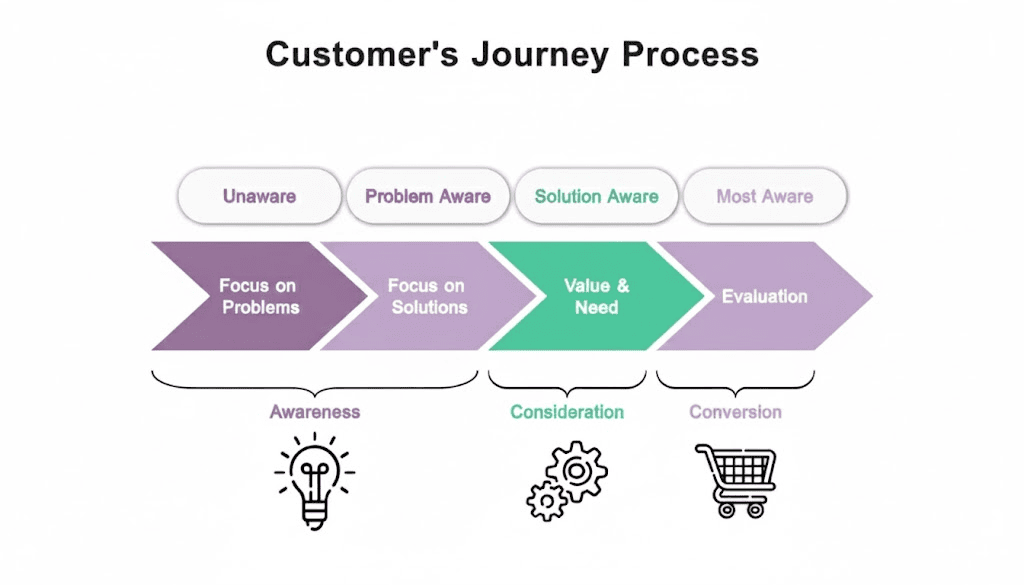
Before buying any new technology, the business must check three main things:
Platform Approach vs DIY Integration:
Self-service kiosks capture what the customer needs, RFID confirms who they are, and Bluetooth beacons track where they are. Together, they guide customers to the right service point with accurate wait times and no confusion.
RFID identifies customers automatically without scanning or staff input. This prevents missed check-ins, duplicate tickets, and wrong queue placement, keeping service order accurate.
Yes. Bluetooth beacons offer 1–5 meter accuracy indoors, while GPS and Wi-Fi only show general presence. This makes beacons ideal for real-time indoor routing.
Businesses gain real-time insights into wait times, bottlenecks, staff workload, peak hours, and abandoned queues, helping them prevent delays before they happen.
Not when deployed through a single platform. Pre-built integrations reduce setup time, lower costs, and speed up ROI compared to connecting separate tools.
Look for scalability, real-time visibility, easy integration, strong security, and the ability to support future technologies, not just basic queue handling.