


Deliver fast, reliable service with a cloud system that updates in real-time and scales with your business.

Control your data and infrastructure with a secure, offline-ready solution tailored for complex environments.

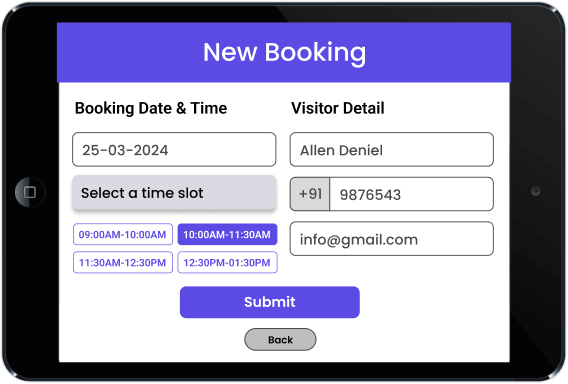
Empower customers to check in, book, or update their appointments without staff assistance.

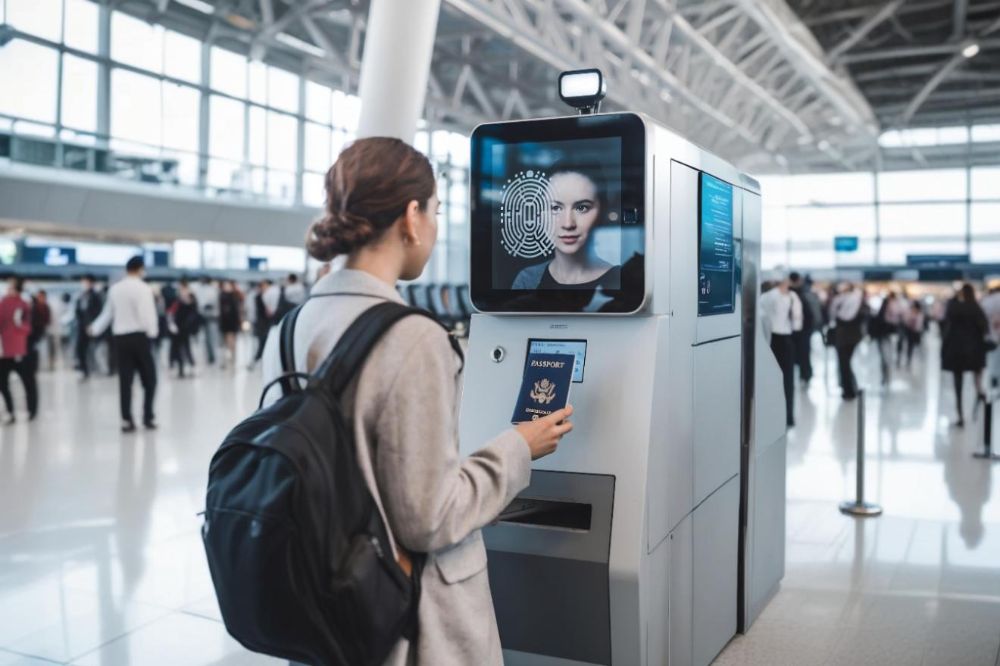
Deliver fast, secure access for repeat visitors using AI-powered facial recognition.
 Banking
Streamline customer flow and reduce wait times in banks and financial institutions.
 Healthcare
Refine patient check-ins and improve healthcare service.
 Public
Sector
Public
Sector
Manage citizen services smoothly in government offices and public institutions.
 Retail
Improve shopping experiences by minimizing checkout lines and wait times.
 DMV
DMV
Organize customer service queues in automotive showrooms and service centers.
 Airport
Speed up passenger processing with efficient queue management at terminals.
All Industries → AI Appointment Booking System
Automate appointment scheduling with AI-powered booking, smart reminders, and seamless customer check-ins.
 Appointment
Booking
Appointment
Booking
Offer flexible scheduling that helps customers plan their visit and avoid peak-time congestion.
 Biometric
System
Biometric
System
Speed up identity verification and check-ins using facial or fingerprint recognition.
 Automation
Automate workflows and reduce manual tasks with smart queue solutions.
 Virtual
Queuing
Virtual
Queuing
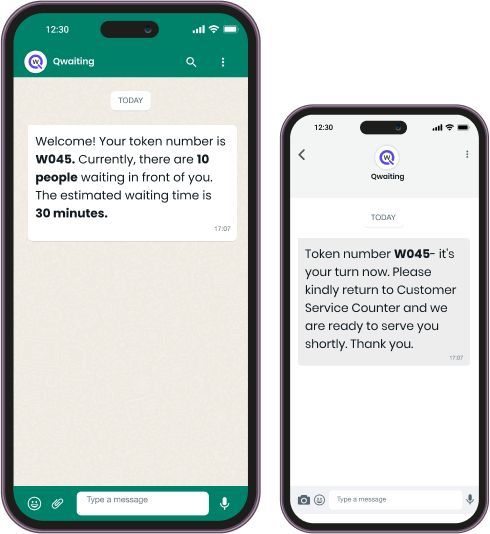
Let customers wait from anywhere home, car, or cafe with mobile-based virtual queues.
 Visitor
Management
Visitor
Management
Track and manage visitor entry, exit, and ID verification from a single dashboard.
 Video
Queue
Video
Queue
Allow people to join video calls instantly with one link—no apps, Accessible on any browser.
 Tele-Consultation
Offer seamless virtual consultations with real-time communication tool.
All Solutions →
Watch quick product demos and tutorials to understand how Qwaiting works for your business.

Read expert insights, tips, and industry trends to enhance customer experience.

Download in-depth guides and resources to explore queue management best practices.

Explore Qwaiting in a quick interactive demo, no signup needed.
| Old CX Flow | Connected CX Flow |
| Visitor enters → looks for signs → asks staff → waits in wrong queue → redirected | Visitor enters → guided via digital signage → self-check-in → virtual queue → real-time updates |
| High staff involvement in directions | Staff focused on service delivery |
| Long perceived wait times | Transparent, managed expectations |
| Frequent walk-aways | Higher completion rates |
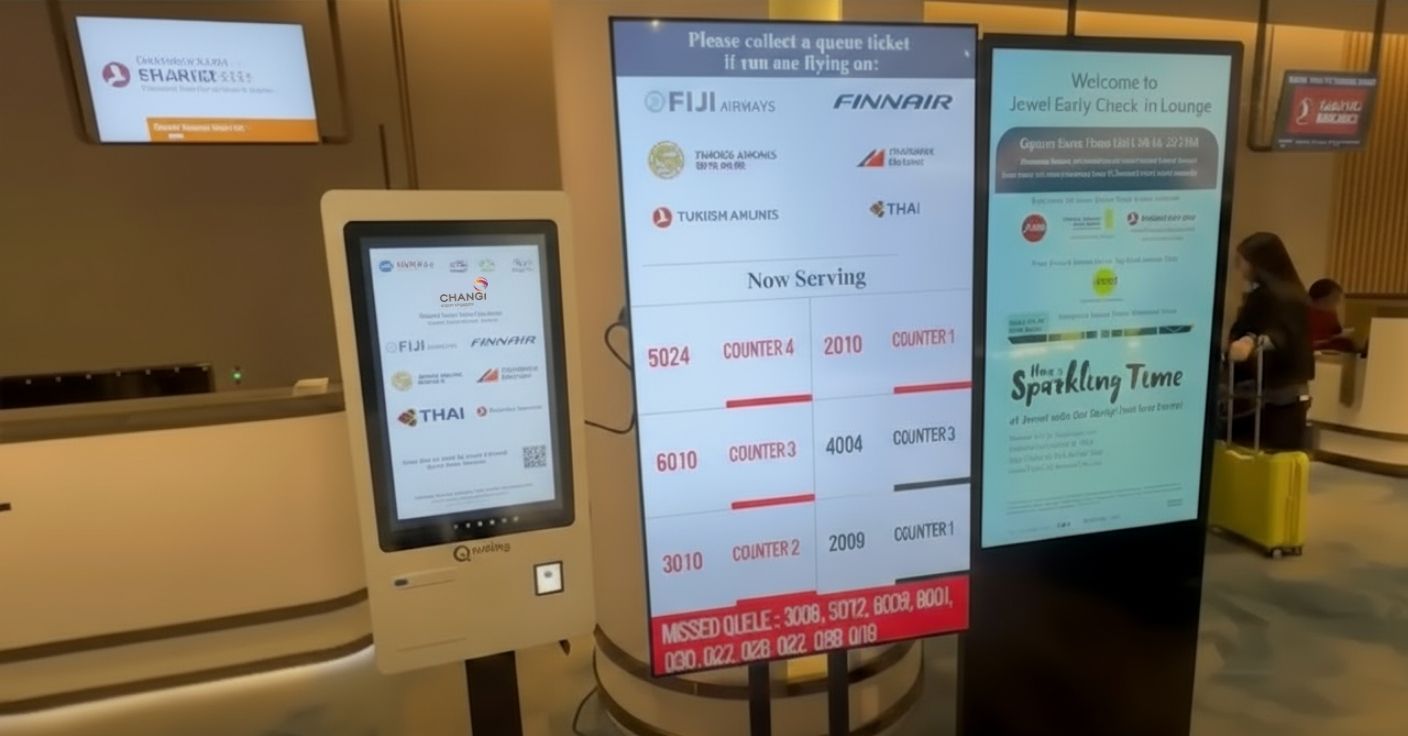
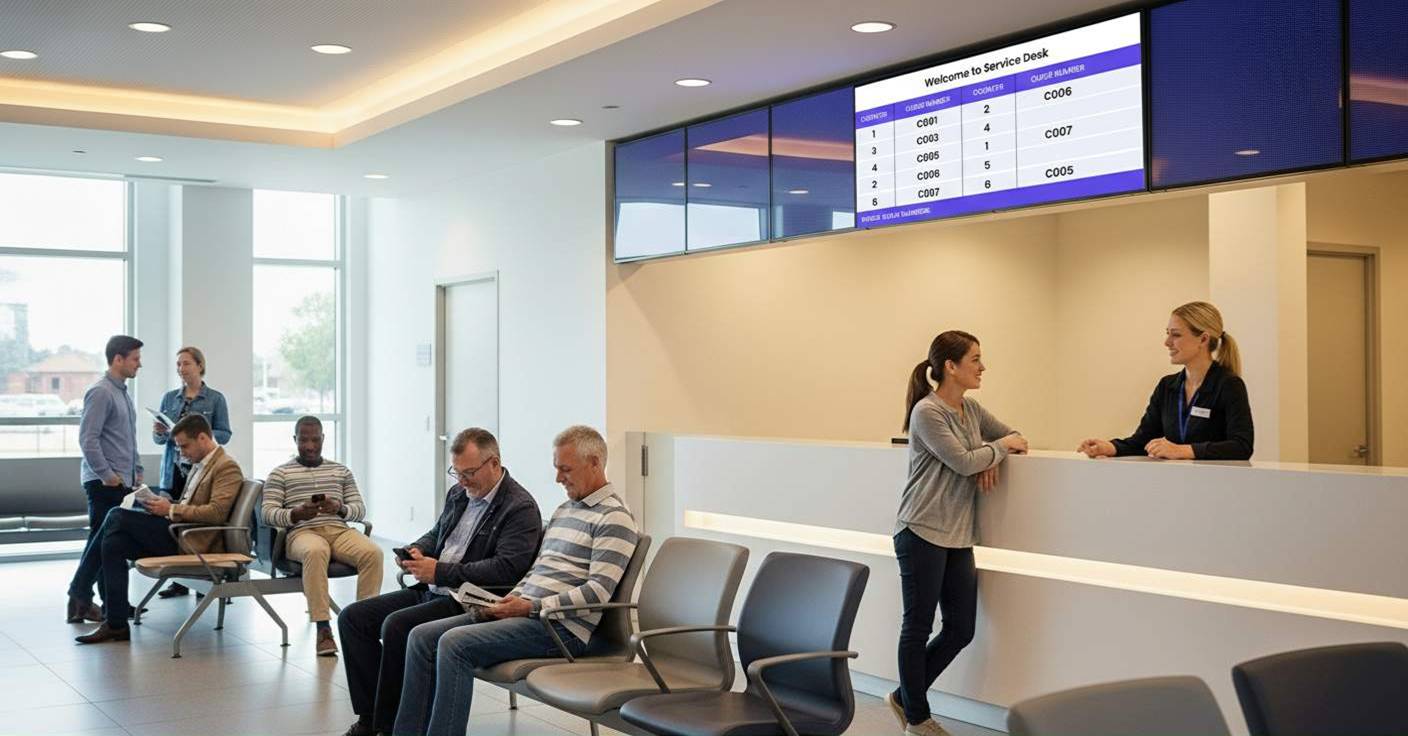
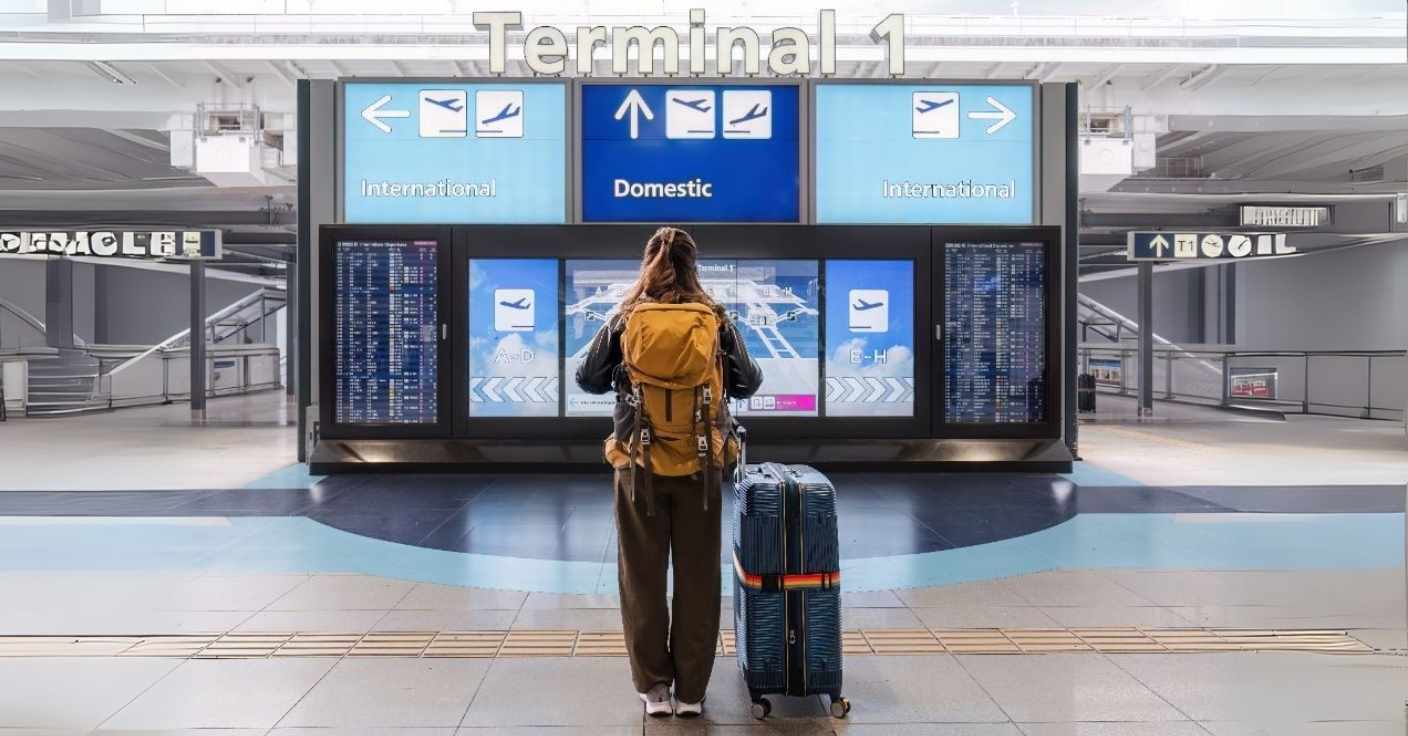
Here’s how different signage screen displays help businesses:
| Display Type | Purpose | Benefit |
| Directional Signage | Guide visitors to departments/services | Reduces confusion, minimizes staff queries |
| Queue Status Boards | Show wait times and queue lengths | Manages expectations, reduces perceived wait |
| Service Counter Displays | Call visitors by ticket/name | Eliminates missed calls, improves flow |
| Category Guidance Screens | Help visitors choose the right service | Prevents wrong queue assignments |
| Metric | Before Integration | After Integration | Improvement |
| Average navigation time | 4.5 minutes | 1.2 minutes | 73% reduction |
| Staff time on directions | 35% of shift | 8% of shift | 77% reduction |
| Queue abandonment rate | 18% | 6% | 67% reduction |
| Customer satisfaction | 72% | 89% | +17 points |
| Service completion rate | 82% | 94% | +12 points |
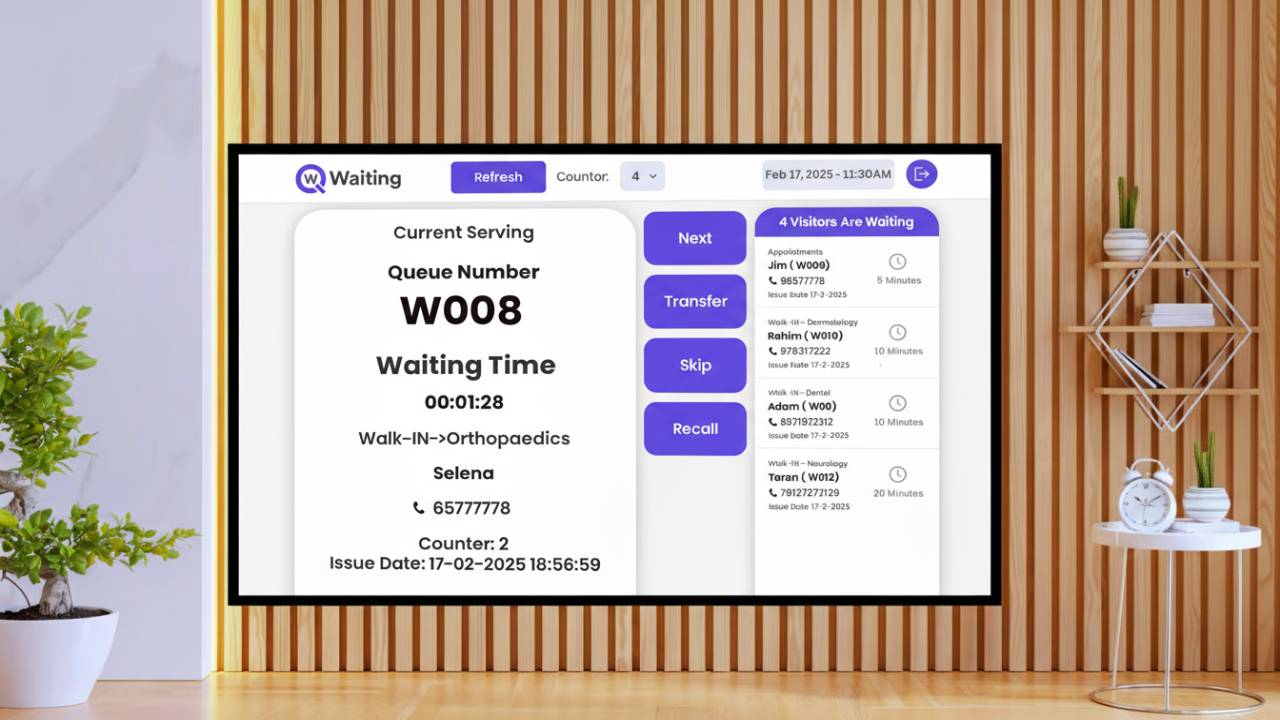
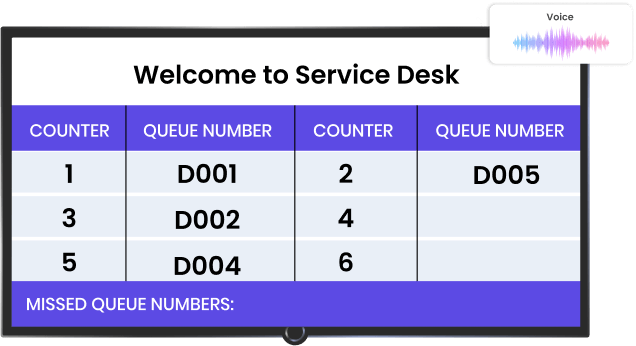
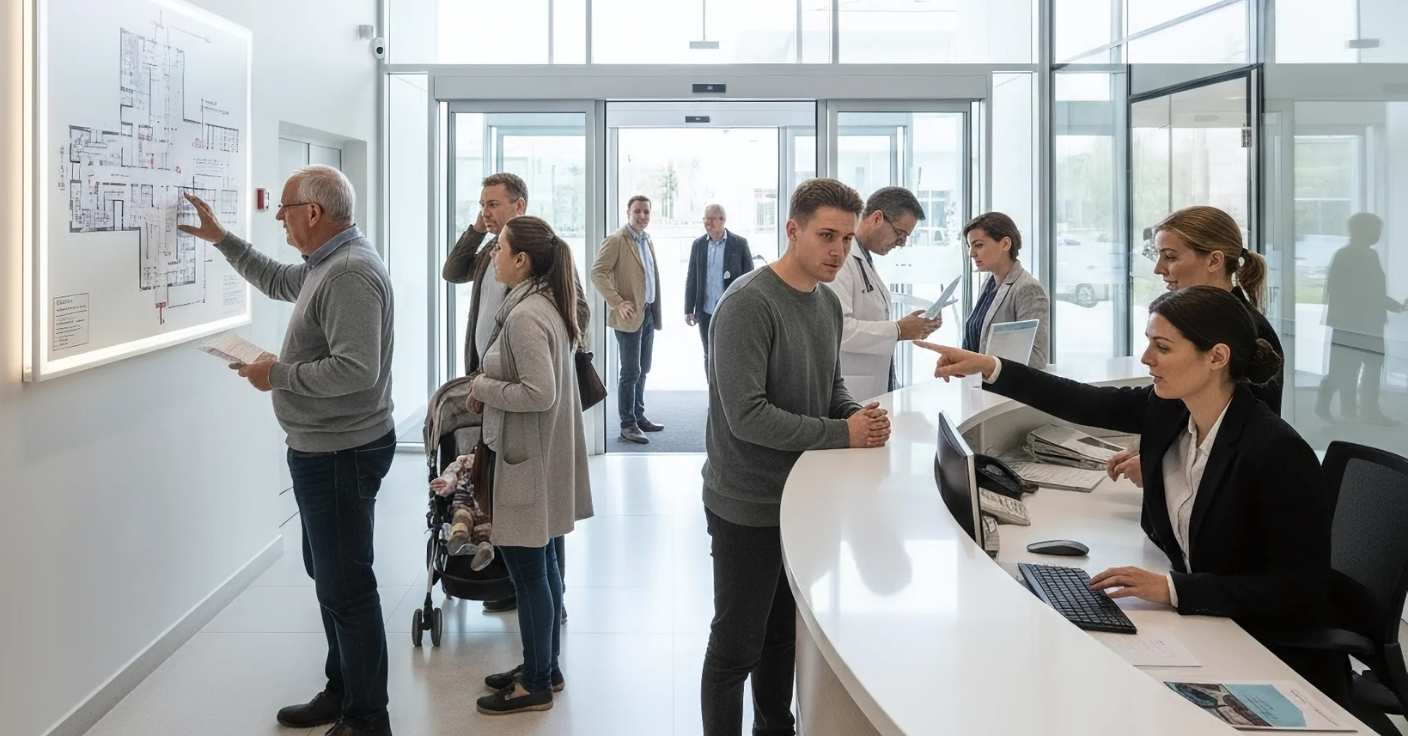
Wayfinding helps people navigate a space and find the right destination, while queue management controls how people wait, move through service lines, and get served efficiently.
When navigation and waiting work together, visitors know where to go, what to expect, and when they’ll be served. This helps reduce stress, confusion, and perceived wait times.
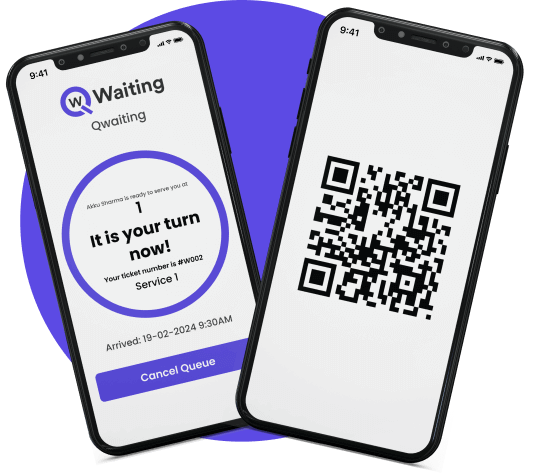
Mobile wayfinding adds flexibility and personalization, but works best alongside physical signage. Together, they guide visitors clearly while offering real-time updates directly on personal devices.
Businesses gain visibility into foot traffic patterns, dwell times, bottlenecks, queue abandonment, and service durations, insights that help optimize staffing, layouts, and overall operational flow.
Key improvements include shorter navigation time, lower queue abandonment, reduced staff interruptions, higher service completion rates, and stronger customer satisfaction and experience scores.
Integrated wayfinding supports multilingual guidance, accessible routes, audio and visual cues, clear instructions, and mobile support, making navigation and waiting easier for people with diverse abilities and needs.