


Deliver fast, reliable service with a cloud system that updates in real-time and scales with your business.

Control your data and infrastructure with a secure, offline-ready solution tailored for complex environments.

Empower customers to check in, book, or update their appointments without staff assistance.

Deliver fast, secure access for repeat visitors using AI-powered facial recognition.
 Banking
Streamline customer flow and reduce wait times in banks and financial institutions.
 Healthcare
Refine patient check-ins and improve healthcare service.
 Public
Sector
Public
Sector
Manage citizen services smoothly in government offices and public institutions.
 Retail
Improve shopping experiences by minimizing checkout lines and wait times.
 DMV
DMV
Organize customer service queues in automotive showrooms and service centers.
 Airport
Speed up passenger processing with efficient queue management at terminals.
All Industries → AI Appointment Booking System
Automate appointment scheduling with AI-powered booking, smart reminders, and seamless customer check-ins.
 Appointment
Booking
Appointment
Booking
Offer flexible scheduling that helps customers plan their visit and avoid peak-time congestion.
 Biometric
System
Biometric
System
Speed up identity verification and check-ins using facial or fingerprint recognition.
 Automation
Automate workflows and reduce manual tasks with smart queue solutions.
 Virtual
Queuing
Virtual
Queuing
Let customers wait from anywhere home, car, or cafe with mobile-based virtual queues.
 Visitor
Management
Visitor
Management
Track and manage visitor entry, exit, and ID verification from a single dashboard.
 Video
Queue
Video
Queue
Allow people to join video calls instantly with one link—no apps, Accessible on any browser.
 Tele-Consultation
Offer seamless virtual consultations with real-time communication tool.
All Solutions →
Watch quick product demos and tutorials to understand how Qwaiting works for your business.

Read expert insights, tips, and industry trends to enhance customer experience.

Download in-depth guides and resources to explore queue management best practices.

Explore Qwaiting in a quick interactive demo, no signup needed.
How to Manage Airport Queue During Peak Travel Times
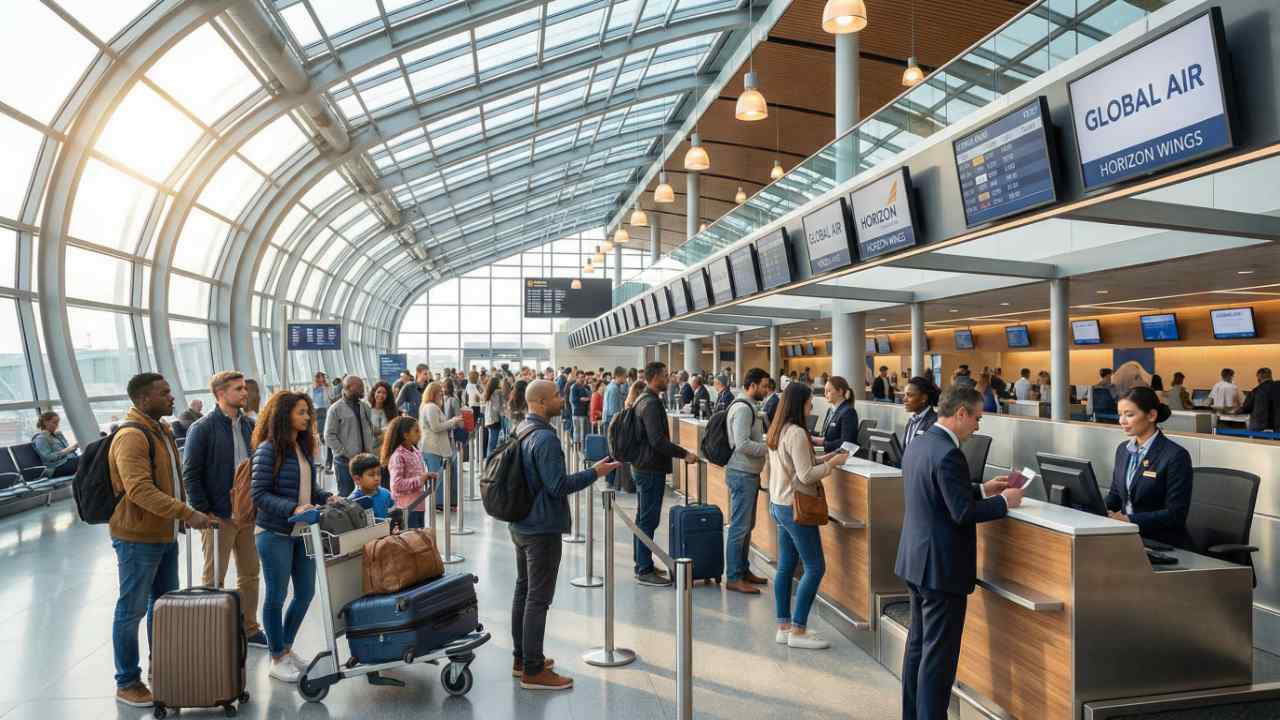
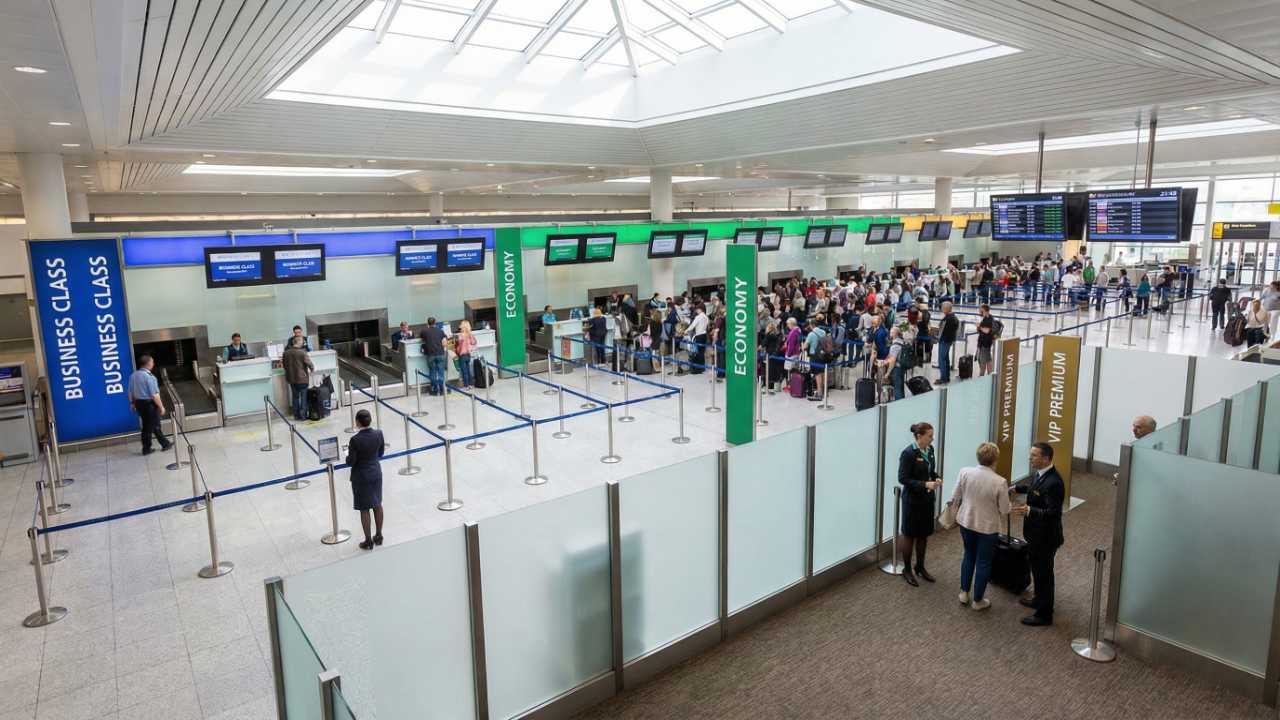
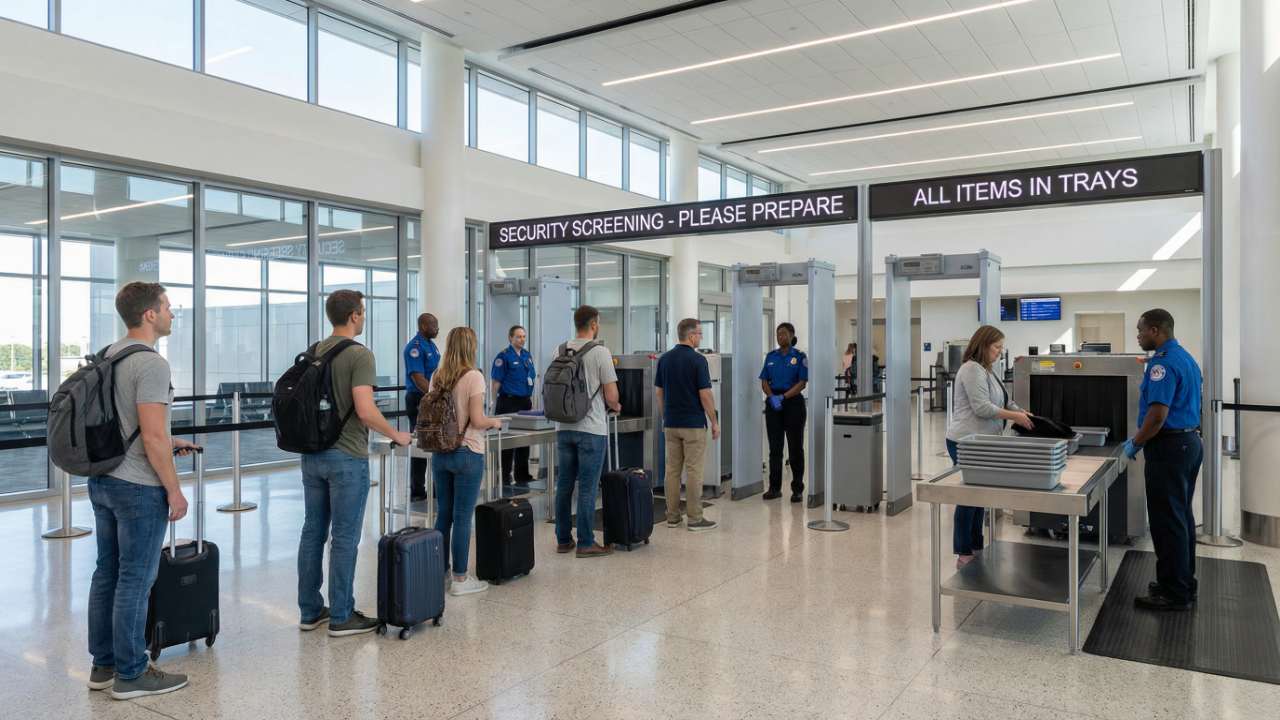
Here’s how unmanaged security lines are more difficult to handle and have more security risks than the orchestrated queues
| Factor | Unmanaged Lines | Orchestrated Queues |
| Passenger behavior | Unpredictable, lane-switching is common | Structured, orderly progression |
| Officer workload | Split between crowd control & screening | Focused on screening |
| Processing consistency | Varies by lane pressure | Balanced across all lanes |
| Stress-related incidents | Higher | Significantly lower |
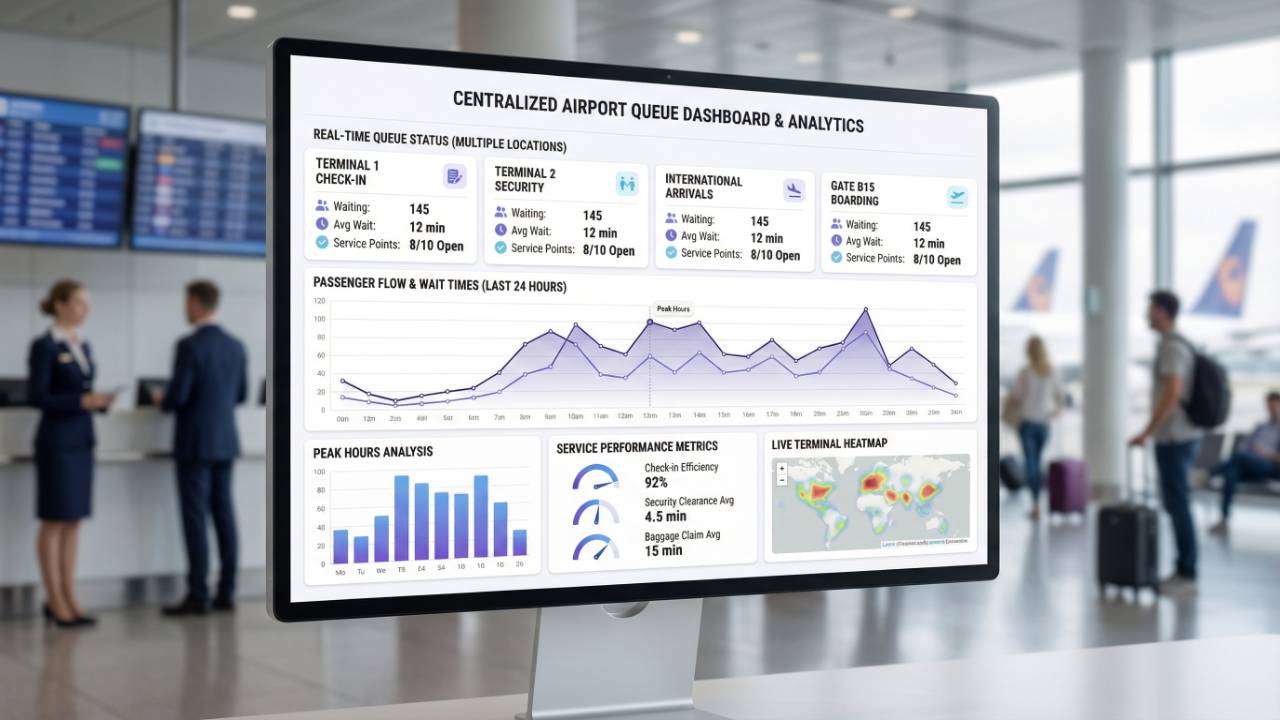
Here’s what Saudia Airlines Airport Operations Leader said after installing Qwaiting’s Airline queue management system to control crowd movements: "Before we had queue visibility, we were always five minutes too late. By the time we saw the line, it was already a problem. Now we see the buildup forming and move staff before passengers even notice the delay. That's the difference between managing flow and managing damage."
Here’s a comparison table of acceptable vs actual immigration wait times:
| Passenger Type | Target Wait Time | Actual Wait Time (Peak Hours) | Compliance Risk |
| Citizens | < 10 minutes | 15–25 minutes | Low (public dissatisfaction) |
| Residents | < 15 minutes | 30–45 minutes | Moderate (procedural shortcuts) |
| Visa holders | < 20 minutes | 45–60+ minutes | High (processing errors) |
| Transit passengers | < 10 minutes | 20–40 minutes | Moderate (missed connections) |
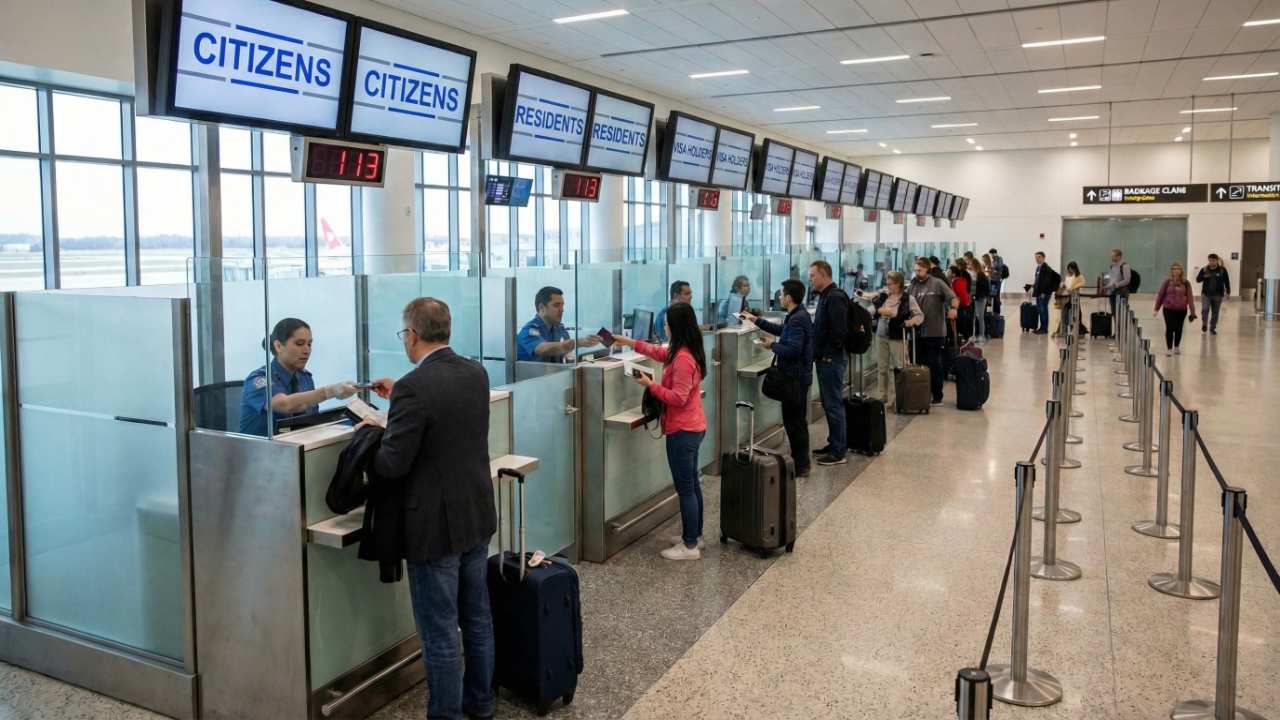
Here’s what Changi Airport, Singapore, noticed after successfully implementing Qwaiting’s queue management system: Although Changi is an exceptionally beautiful airport, it faced challenges in managing bookings and traveler flow in 2018.
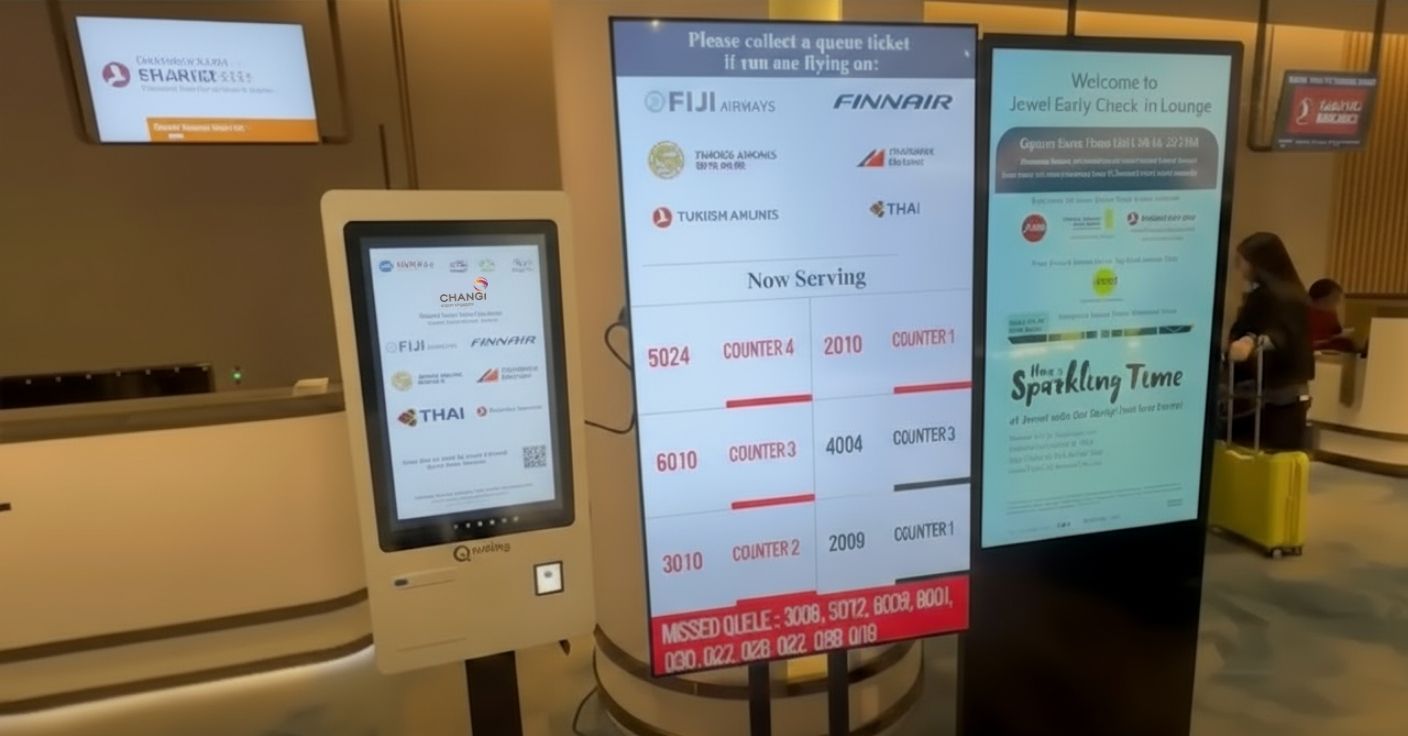
How Airports Are Cutting Wait Times with Digital Queue Management
Because security depends on control, not speed alone. Structured queues prevent crowd chaos, reduce blind spots, and allow officers to focus on screening behavior instead of managing disorder.
They balance passengers across lanes, prevent sudden surges, and regulate flow before bottlenecks form allowing security teams to screen consistently without rushing or reallocating staff reactively.
Long queues create crowd pressure, distraction, and reduced situational awareness. Officers shift focus from threat detection to crowd control, increasing the chance of missed anomalies and security lapses.
By segmenting passengers digitally and controlling arrival flow. Smart queues prioritize cases automatically, prevent counter congestion, and give officers time to process each traveler accurately.
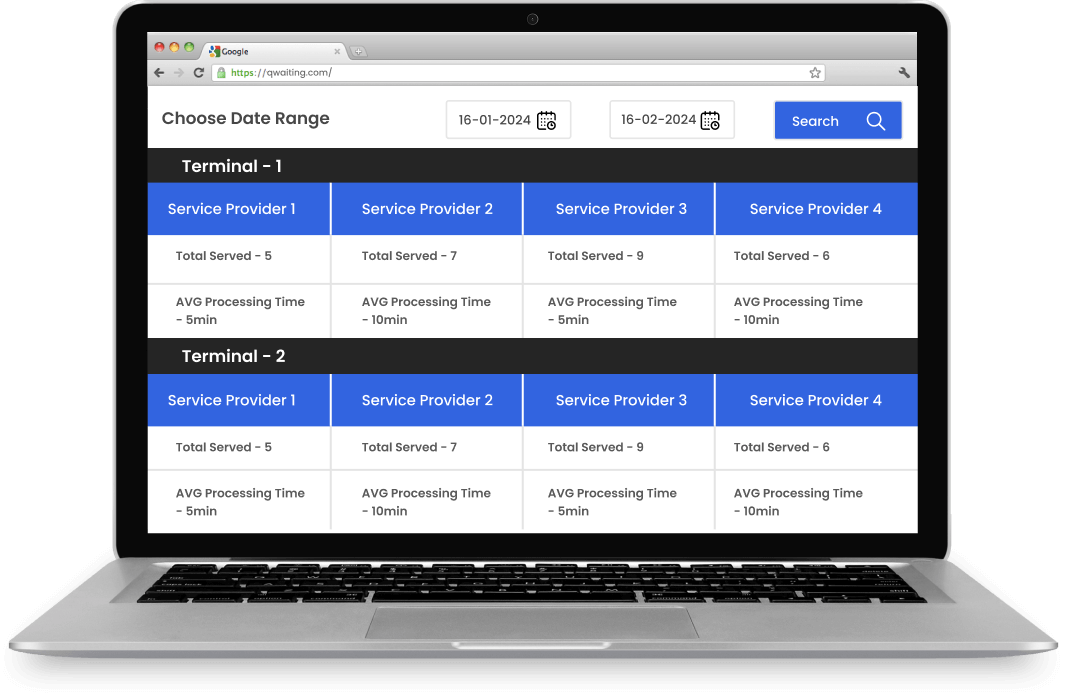
It gives command centers early warning. Managers see pressure building, redeploy staff, open lanes, and prevent disruption—before passengers feel delays or security standards are strained.
They adjust routing, staffing, and lane allocation in real time. Instead of reacting to congestion, airports absorb surges smoothly while maintaining order across security and immigration.
Key metrics include wait times by zone, lane utilization, queue density, staff productivity, passenger throughput, and surge patterns—giving airports measurable control instead of guesswork.