


Deliver fast, reliable service with a cloud system that updates in real-time and scales with your business.

Control your data and infrastructure with a secure, offline-ready solution tailored for complex environments.

Empower customers to check in, book, or update their appointments without staff assistance.

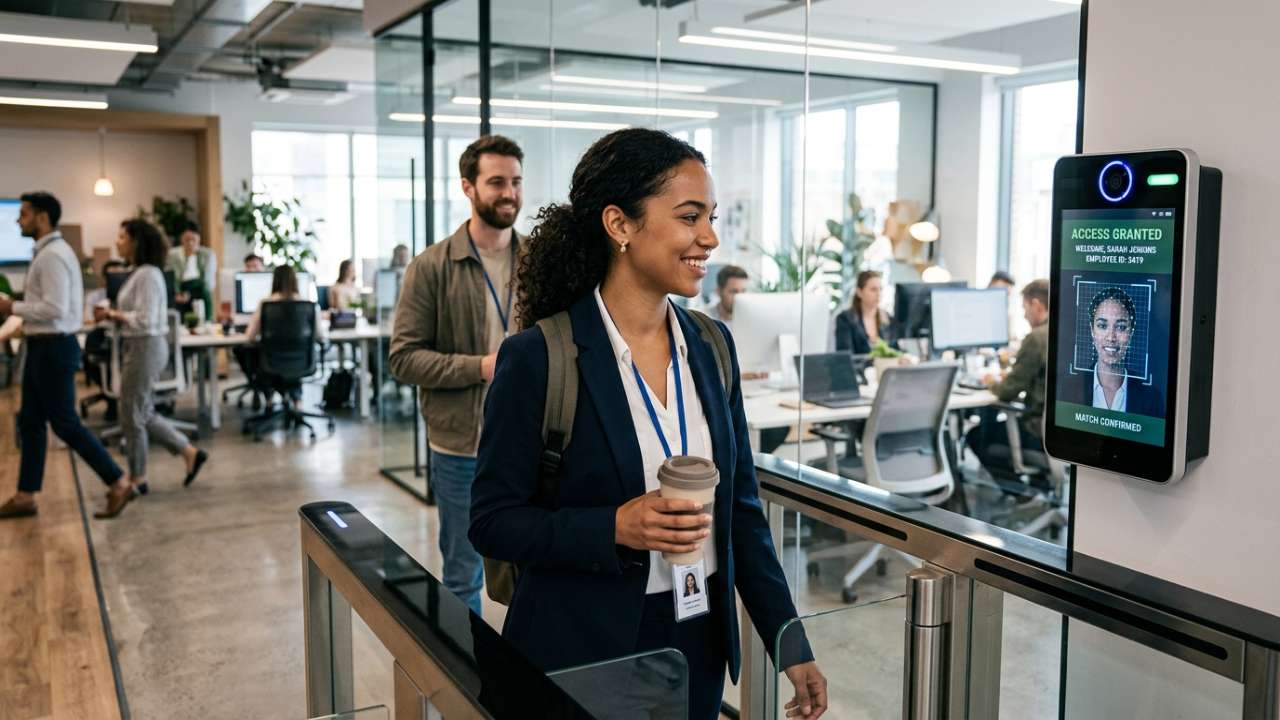
Deliver fast, secure access for repeat visitors using AI-powered facial recognition.
 Banking
Streamline customer flow and reduce wait times in banks and financial institutions.
 Healthcare
Refine patient check-ins and improve healthcare service.
 Public
Sector
Public
Sector
Manage citizen services smoothly in government offices and public institutions.
 Retail
Improve shopping experiences by minimizing checkout lines and wait times.
 DMV
DMV
Organize customer service queues in automotive showrooms and service centers.
 Airport
Speed up passenger processing with efficient queue management at terminals.
All Industries → AI Appointment Booking System
Automate appointment scheduling with AI-powered booking, smart reminders, and seamless customer check-ins.
 Appointment
Booking
Appointment
Booking
Offer flexible scheduling that helps customers plan their visit and avoid peak-time congestion.
 Biometric
System
Biometric
System
Speed up identity verification and check-ins using facial or fingerprint recognition.
 Automation
Automate workflows and reduce manual tasks with smart queue solutions.
 Virtual
Queuing
Virtual
Queuing
Let customers wait from anywhere home, car, or cafe with mobile-based virtual queues.
 Visitor
Management
Visitor
Management
Track and manage visitor entry, exit, and ID verification from a single dashboard.
 Video
Queue
Video
Queue
Allow people to join video calls instantly with one link—no apps, Accessible on any browser.
 Tele-Consultation
Offer seamless virtual consultations with real-time communication tool.
All Solutions →
Watch quick product demos and tutorials to understand how Qwaiting works for your business.

Read expert insights, tips, and industry trends to enhance customer experience.

Download in-depth guides and resources to explore queue management best practices.

Explore Qwaiting in a quick interactive demo, no signup needed.
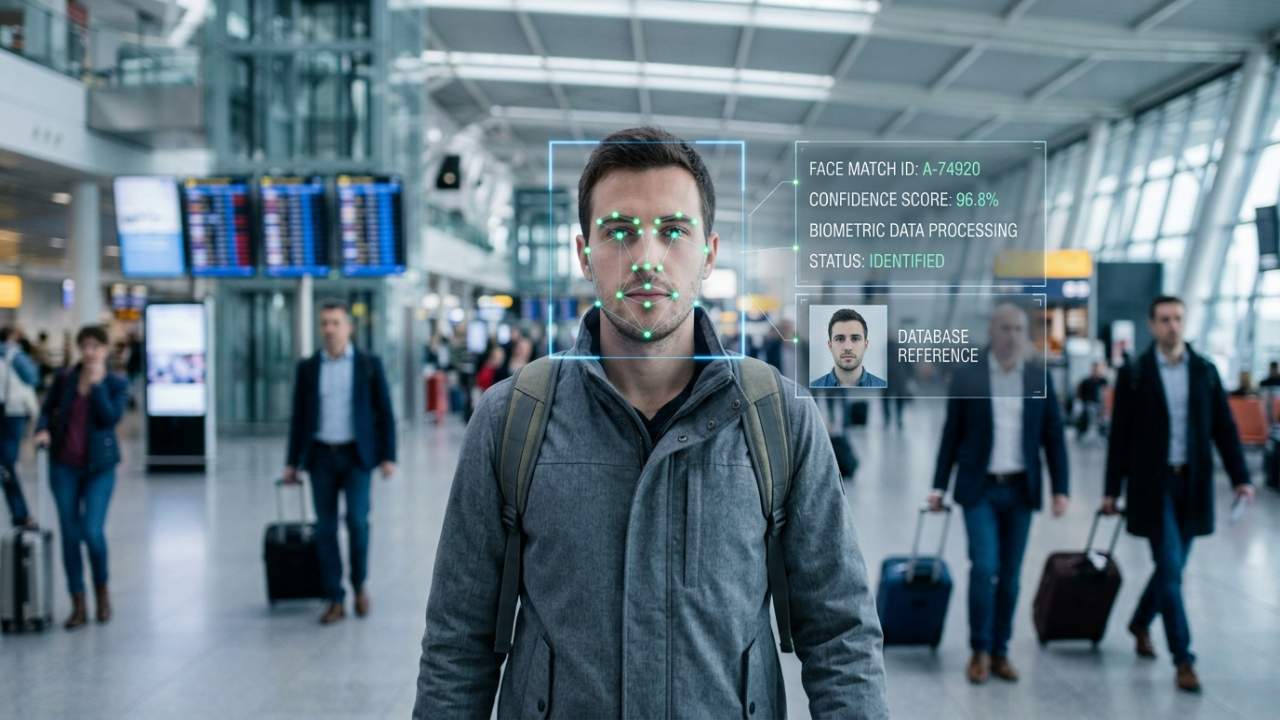
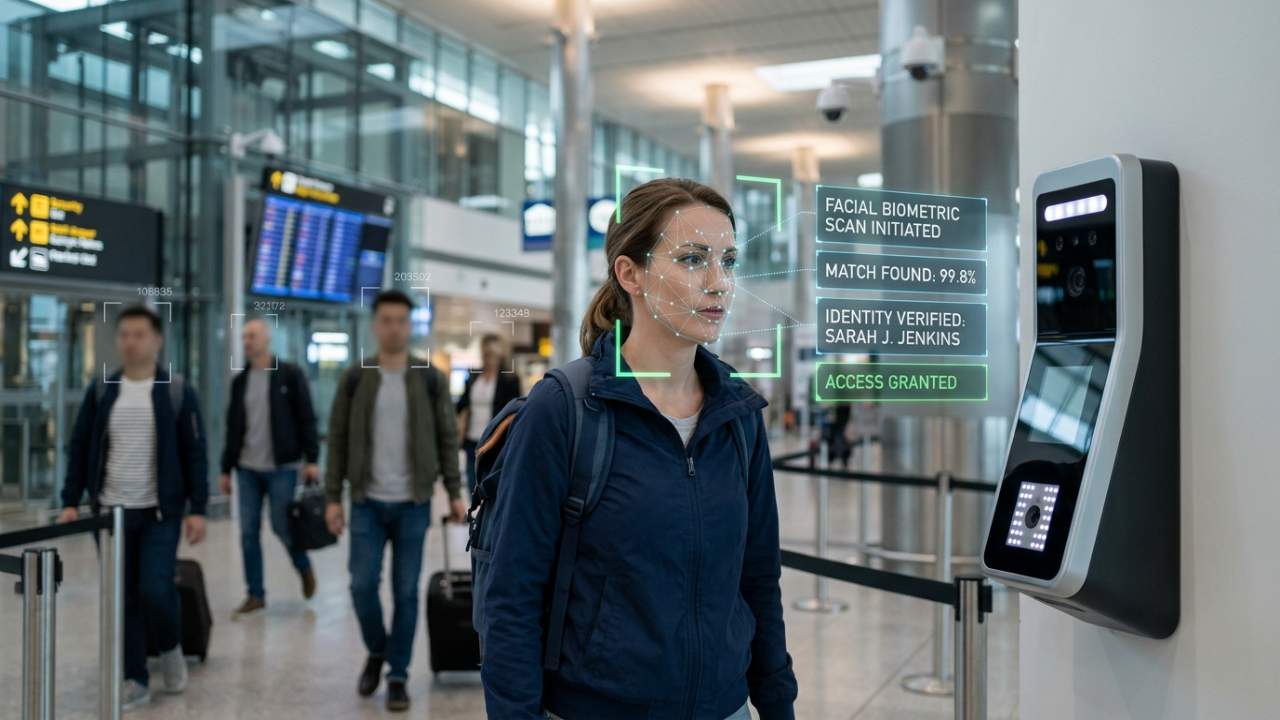
managing airport crowds during peak travel times
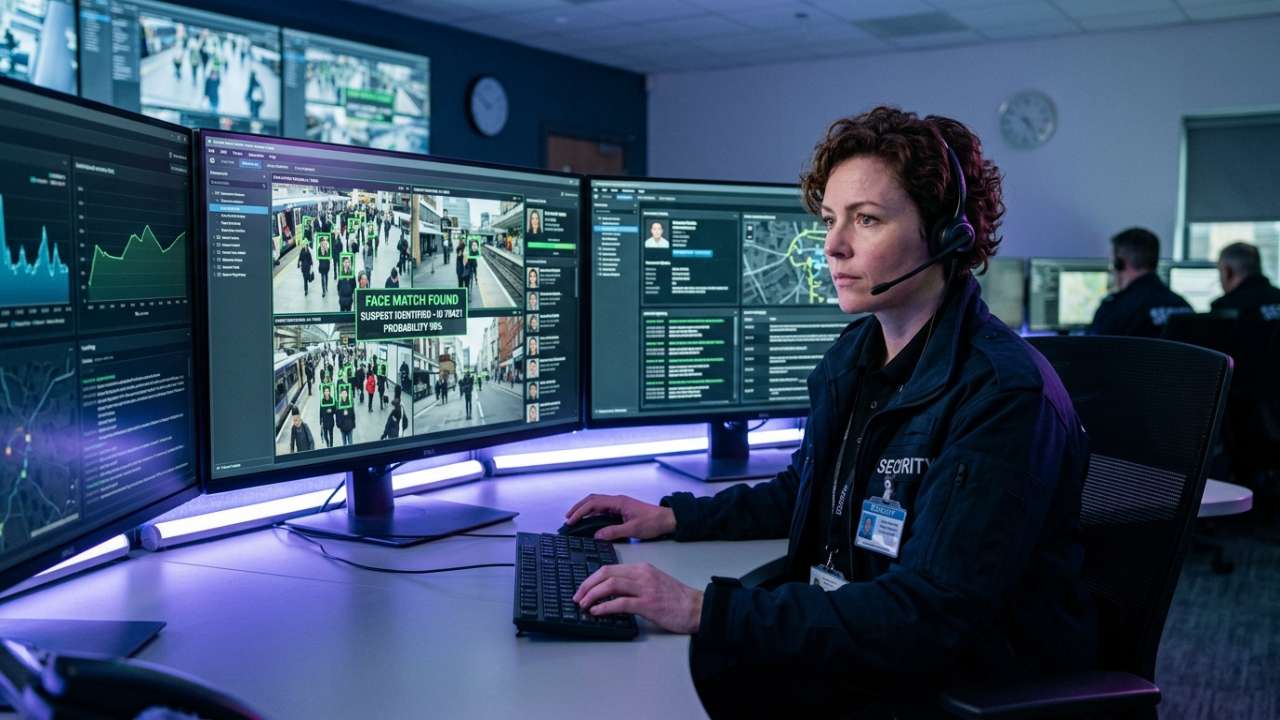
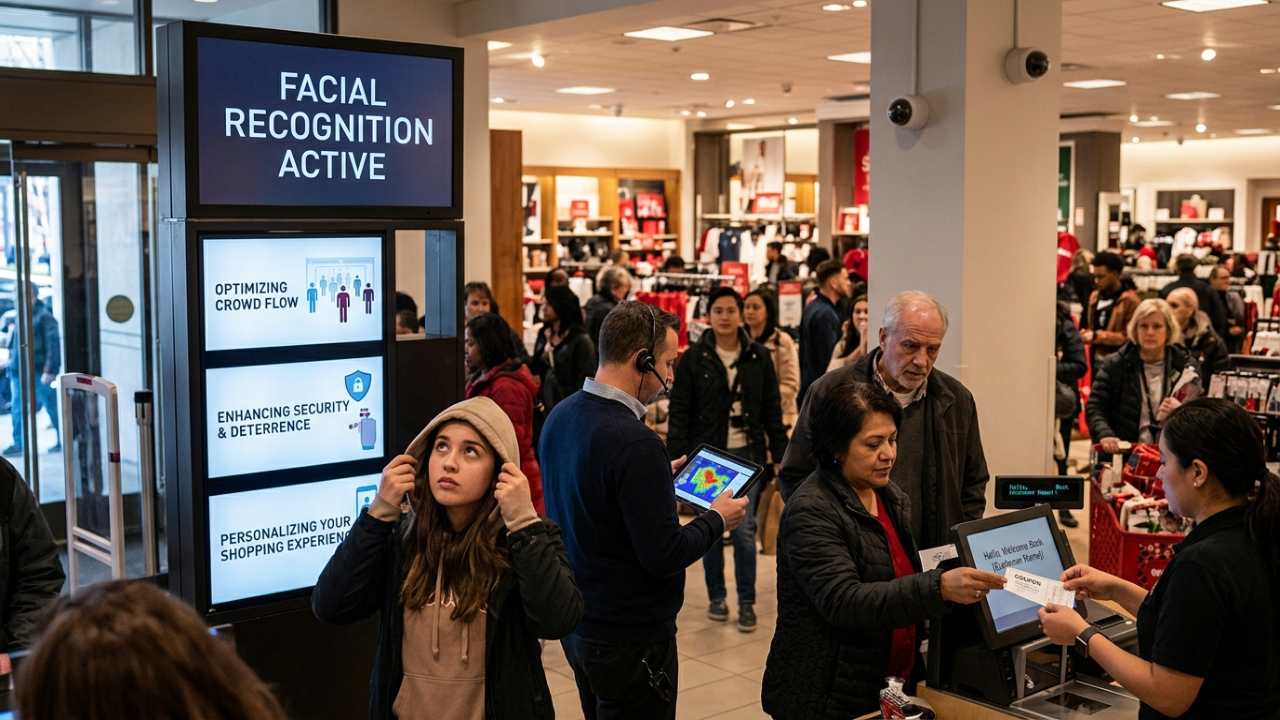
Retailers looking to reduce friction at peak hours can explore how modern queue strategies are reshaping in-store experiences.
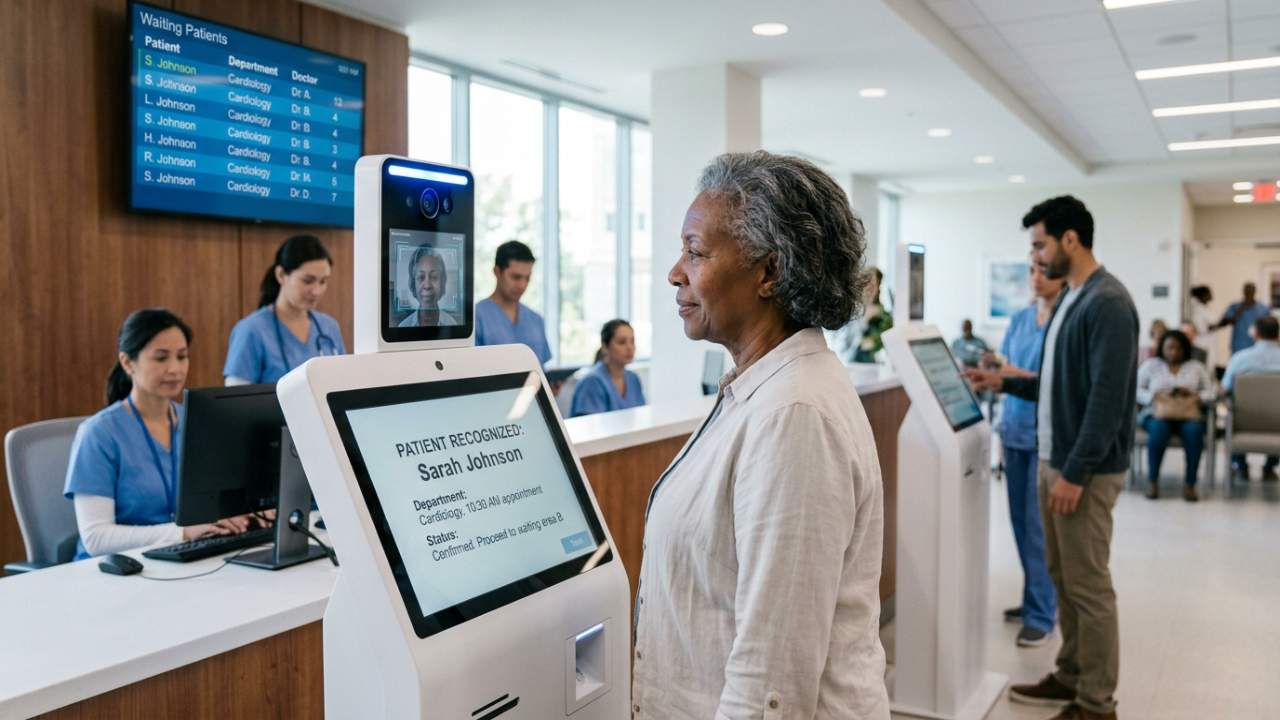
How Hospitals Use Face Recognition to Improve Patient Trust & Safety
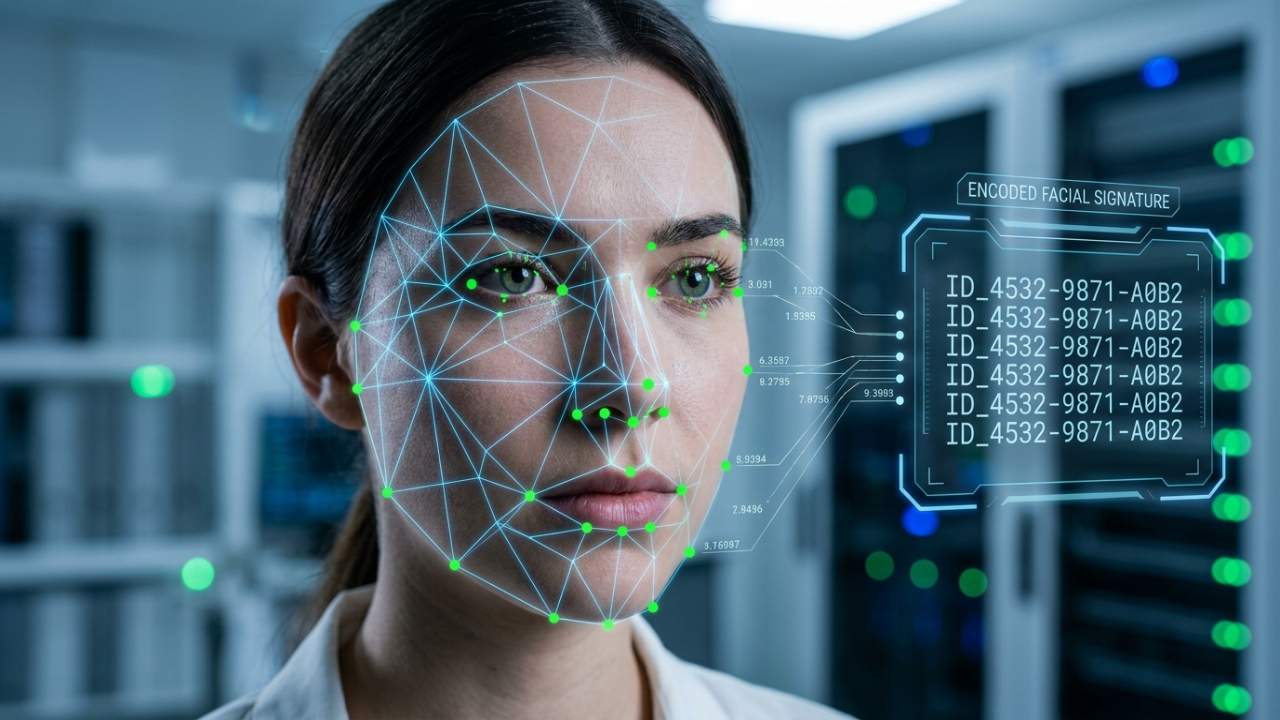
Modern facial recognition systems use image enhancement and AI models trained on millions of faces. They automatically adjust brightness, reduce noise, and analyze key facial landmarks so the system can still recognize a person even in low light or slightly blurry images.
Facial recognition can be highly secure when combined with encrypted data storage, strict access controls, and compliance with privacy regulations. Many businesses also use multi-factor authentication and human verification to reduce risks and prevent unauthorized access.
Yes, it can. Earlier systems sometimes showed higher error rates for certain demographics due to limited training data. Newer AI models are trained on more diverse datasets and are regularly audited to improve accuracy and reduce bias.
Airports use it for faster passenger verification, hospitals for patient identification and contactless check-ins, and retailers for security and crowd monitoring. In busy environments, it also helps manage access control and streamline customer flow.
Regulations vary by region. The EU AI Act places strict limits on biometric surveillance, while many countries require consent, transparency, and secure data handling. Businesses must follow local privacy laws and ensure responsible use of facial data.